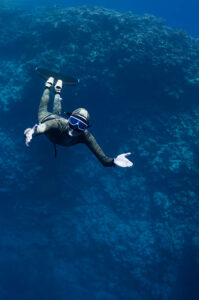
When plunging into the chilly depths of the ocean, one essential piece of gear stands between a diver and hypothermia: the wetsuit. Central to a wetsuit’s effectiveness is the provision of thermal protection; this is realized mainly through advances in neoprene technology. This article discusses the science supporting thermal protection layers in wetsuits, how neoprene acts as an insulating material, and how its design is still evolving for performance.
What is Neoprene?
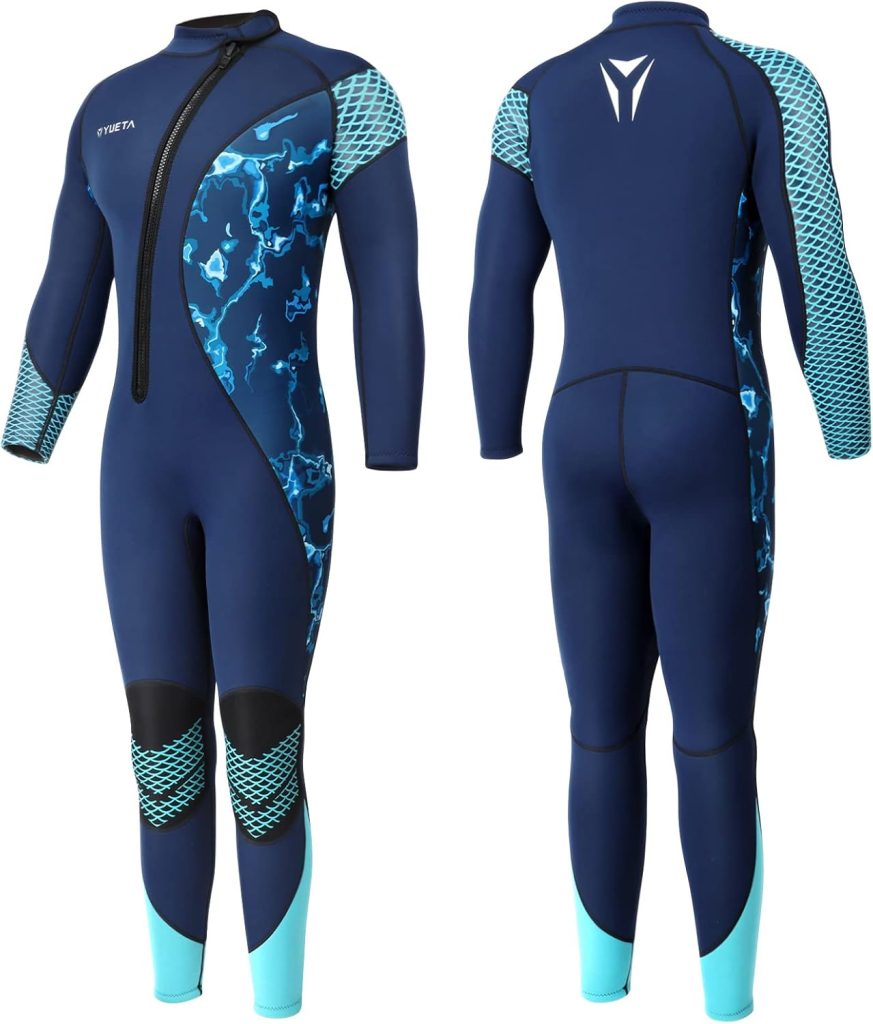
Neoprene, actually polychloroprene, is a synthetic rubber material developed originally by DuPont in the 1930s. It is highly valued in the manufacture of wetsuits for its flexibility and durability, as well as its thermal insulation properties. The secret lies in its structure: neoprene is filled with small nitrogen gas bubbles which greatly reduce the heat transfer by limiting the conduction of cold water through the material.
How Does Neoprene Provide Insulation?
When a diver puts on a wetsuit, a thin layer of water seeps between the suit and the skin. This layer is quickly warmed up by the body and trapped by neoprene, acting like a barrier against the surrounding cold water. Neoprene provides insulation by two very important mechanisms:
1. Gas Bubble Insulation: In neoprene, there are nitrogen gas bubbles that help create a thermal barrier for minimum heat loss.
2. Material Thickness: Wetsuits come in various thicknesses, typically ranging from 2mm to 7mm. Thicker neoprene provides better insulation but can reduce flexibility, requiring a balance between warmth and mobility.
Thermal Layers in Wetsuits
Modern wetsuits often incorporate multiple thermal protection layers to enhance comfort and performance:
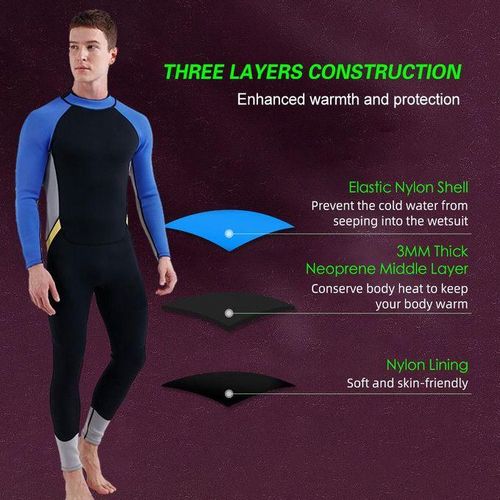
1. Outer Layer: This layer is made to withstand abrasions, UV rays, and water absorption. Advanced wetsuits can have hydrophobic coatings for reduced drag and keeping the suit light in weight.
2. Neoprene Core: This is the primary insulating layer. The thickness and density of the neoprene core vary based on water temperature and the activity it is intended for.
3. Inner Lining: Linings made of materials like fleece or titanium-coated fabric provide additional warmth and wick moisture away from the skin, ensuring the diver remains comfortable.
Innovations in Neoprene Technology
Over the years, wetsuit technology has advanced significantly, focusing on improving insulation, flexibility, and environmental impact. Here are some notable innovations:
Eco-Friendly Neoprene: Classic manufacturing of neoprene can be quite resource-intensive; however, newly developed types such as those from limestone-based neoprene or plant-based rubbers serve as sustainable alternatives without affecting performance.
Seam Sealing: In modern times, glued, blind-stitched, or liquid-sealed seams in wetsuits prevent water seepage, thus granting improved thermal protection.
Thermal Panels: There are wetsuits that have strategically placed panels made of a more insulating neoprene for those portions of the body most apt to lose heat, primarily the chest and back areas.
Smart Textiles: State-of-the-art wetsuits use smart materials whose sponginess changes with water temperature, becoming more insulating in cold conditions.
Performance Factors in Insulation
Several factors affect how well a wetsuit can perform in maintaining body heat:
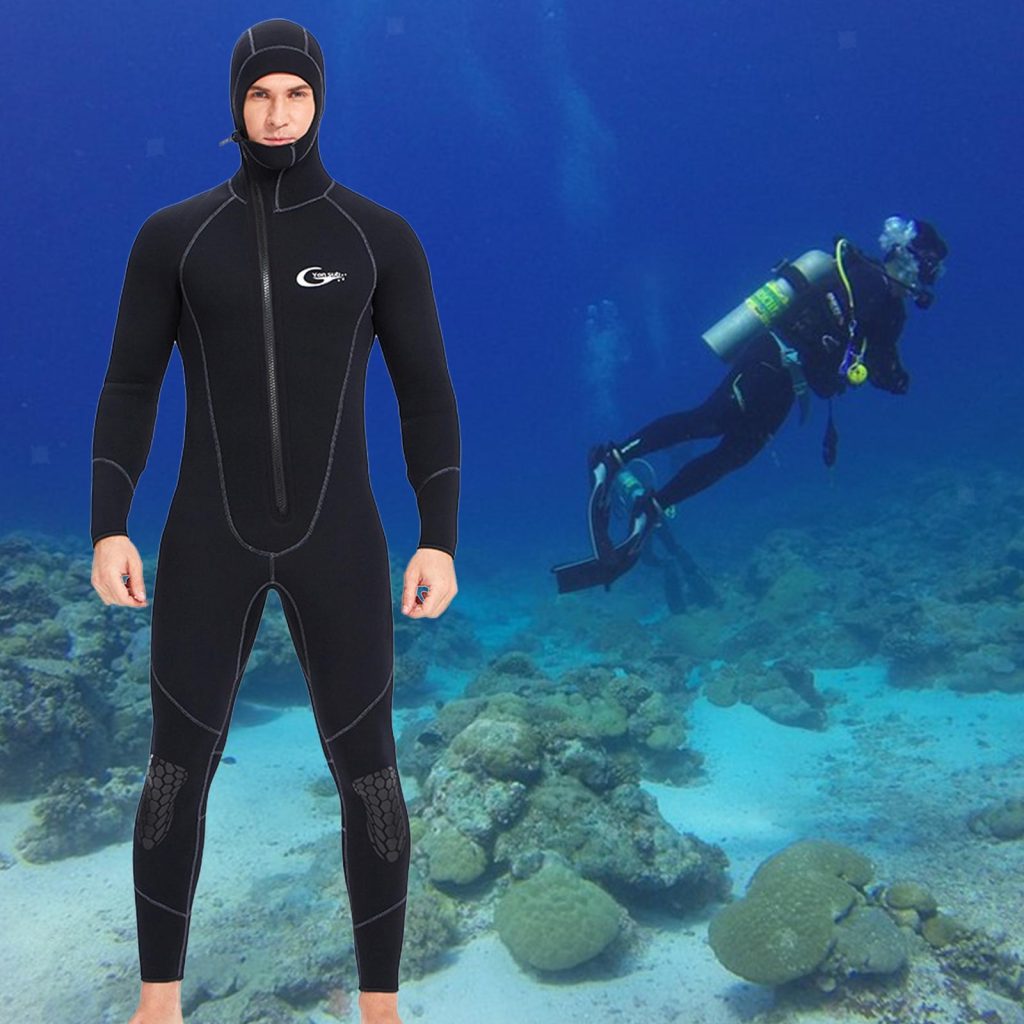
Fit: A good fit ensures less water circulation inside the suit to prevent heat loss. The loose areas may admit cold water and hence reduce the efficiency of insulation.
Water Temperature: The thickness of a wetsuit should correspond to the water temperature. For instance, a 3mm wetsuit would be ideal for warm waters-20°C/68°F and above while for cold diving conditions, one should wear a 7mm suit.
Layering: In extremely cold conditions, divers often wear thermal undersuits or semi-dry or dry suits for additional protection.
Neoprene technology is the backbone of thermal protection in wetsuits, a perfect marriage of science and innovation to keep divers safe and comfortable in various underwater environments. From the nitrogen-filled bubbles that trap heat to eco-friendly advancements, wetsuit design continues to push the boundaries of what’s possible in thermal insulation. Whether you are exploring tropical reefs or diving in icy waters, understanding the role of neoprene will go a long way in helping you make informed choices for your next aquatic adventure.