In the realm of SCUBA diving, the tank valve constitutes a small but important segment of the diving system. It regulates the outflow of compressed air from the cylinder, connects to the regulator, and provides a safe and reliable supply of air to divers. Understanding how SCUBA tank valves work, and their safety features is important for any diver, whether professional or recreational. This article looks into the design, functionality, and differences among the three primary valve types: K-valve, DIN, and yoke.
The Role of SCUBA Tank Valves
SCUBA tank valves act as the gateway between the high-pressure gas inside the cylinder and the regulator that delivers breathable air to the diver. These valves are designed to withstand extreme pressure while maintaining precise control over the airflow. Modern tank valves also incorporate safety features to prevent accidental loss of gas and ensure compatibility with various diving conditions.
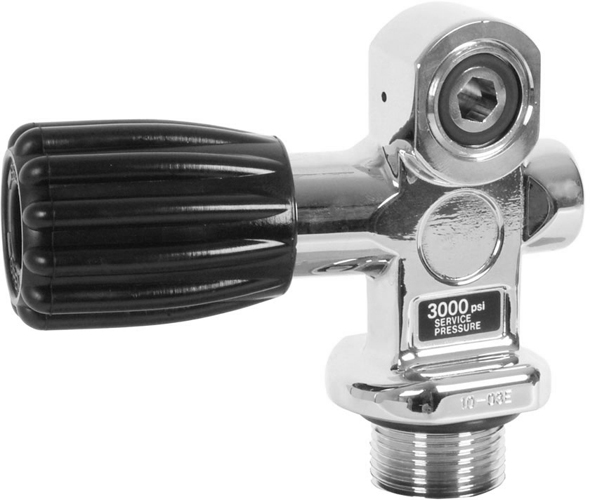
K-Valve Mechanics and Features

The K-valve is one of the most common valve types used in recreational diving. The simple design includes a threaded outlet that connects to a yoke-style regulator.
Mechanics: The K-valve operates with an on/off knob that opens or closes the airflow. Inside the valve, a spindle and seat mechanism control the release of gas. When the knob is turned counterclockwise, the spindle moves, allowing air to flow through the regulator.
Pressure Rating: K-valves are generally rated for cylinders holding up to 3000 PSI (pounds per square inch).
Safety Feature: Most K-valves are fitted with a burst disc, a safety device that prevents cylinder over-pressurization by venting gas when pressure exceeds the limits of safety.
DIN Valve Mechanics and Features

The DIN valve is favored in technical and cold-water diving because of its secure and robust connection.
Mechanics: Unlike the K-valve, the DIN valve has a threaded outlet that allows the regulator to screw directly into the valve, forming a sealed connection. The threads inside the valve prevent accidental disconnection.
Pressure Rating: DIN valves are available in two pressure ratings: standard (up to 232 bar/3400 PSI) and high-pressure (up to 300 bar/4350 PSI).
Safety Features: The secure threading reduces the risk of leaks, making it ideal for higher-pressure applications and environments where reliability is critical. In addition, the o-ring in a DIN valve is inside the regulator connection and therefore protected from damage during handling.
Yoke Valve Mechanics and Features
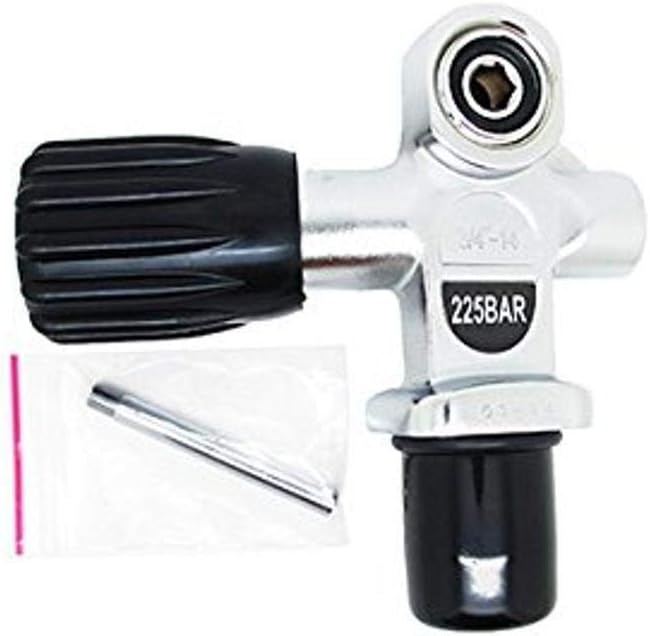
The yoke, or A-clamp, valve is used widely in recreational diving due to its simplicity and ease of use.
How They Work: Yoke valves function by clamping the first stage of a regulator onto the outlet with a tightening screw. An O-ring seated in the valve makes a seal with the regulator.
Pressure Rating: Generally, yoke valves have been rated for pressure ranging between 200-232 bar or 2900-3400 PSI. However, basically, the design is not recommended in practice for very high-pressure cylinders.
Safety Features: Yoke systems are easy to use, and their prevalence makes them very adaptable in most recreational scenarios. Like K-valves, the yoke valves often possess a burst disc for over-pressurization protection.
Key Differences and Compatibility
1. Style of Connection:
– Both K-valves and yoke valves make use of a clamp-style connection, whereas DIN valves screw directly into the regulator.
– DIN connections are tighter and thus less likely to leak.
2. Pressure Handling:
– DIN valves are better suited for high-pressure tanks and technical diving setups.
– K-valves and yoke valves are sufficient for standard recreational diving needs.
3. Adaptability:
– Yoke adapters can convert a DIN regulator for use with yoke valves, making DIN systems more versatile.
– On the other hand, some K-valves have a convertible insert to be used with both yoke and DIN regulators.
Safety Considerations
To be safe with the use of the SCUBA tank valves, divers should follow the following:
- Regular Inspections: Inspect valves for wear, damage, or debris before each dive.
- Proper Handling: Avoid over-tightening or forcing connections, as this can damage o-rings and threads.
- Maintenance: Periodically service tank valves to ensure optimal performance and longevity.
- Pressure Awareness: Always check the tank pressure and ensure it is within the valve’s rated limits.
- Compatibility Check: Confirm that your regulator and valve type are compatible before a dive.
In both the sphere of safety and efficiency of breathing apparatus, SCUBA tank valves play a cardinal role. Whether you want a straight-forward K-valve with its simplicity, compatibility due to a yoke valve, or strong safety with a DIN valve, some ideas about mechanics and features need to be in mind when making valued choices. These can allow divers to experience a pleasant diving trip by maintaining the proper functionality and use of the valve.