Better weight management is the key to comfort, safety, and efficiency during scuba diving. The divers are forever finding ways to optimize their trim and balance, and one of the innovations that revolutionized buoyancy control in the sport is the integrated weight system in BCDs. In this article, we shall look at how integrated weight systems work, their benefits, and some tips for their use in achieving optimal trim and balance on your dives.
What Are Integrated Weight Systems?
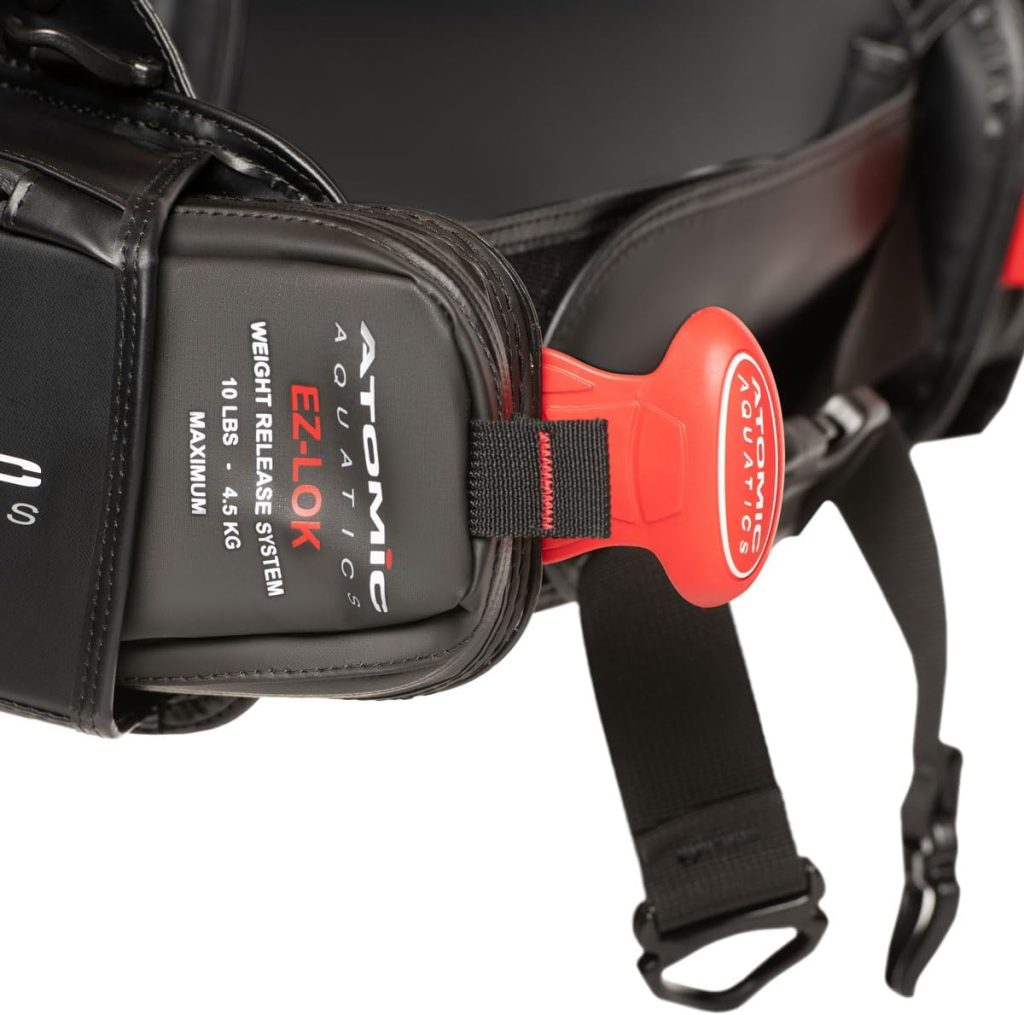
Traditional weight systems used in scuba diving normally include a weight belt on which lead weights are threaded onto a belt worn around the diver’s waist. While serving the purpose, the weight belts sometimes shift and cause discomfort or imbalance. Integrated weight systems are the modern alternative in which weights are placed directly into specially designed pockets or compartments within the BCD itself.
These systems also enable the divers to carry their weights as an integral part of their buoyancy control device and thus eliminate the use of a separate weight belt. The weights on these systems can usually be ditched quickly in an emergency using quick-release mechanisms.
Advantages of Integrated Weight Systems
1. Enhanced Comfort
Integrated systems pull the weights around the BCD, which reduces the pressure on the lower back and hips that traditional weight belts can cause. This design minimizes discomfort during long dives and surface intervals.
2. Better Trim and Balance
Trim means the diver can maintain a horizontal and streamlined position in the water. Integrated weights enable divers to distribute the weight evenly, thus allowing them to achieve a more neutral and horizontal position. When weights are well-placed, it minimizes the effort needed to maintain good body positioning, reducing drag and improving air consumption.
3. Reduced Gear Movement
One of the cons of weight belts is that they tend to slip or shift during a dive; this will throw off the diver’s balance. Integrated weight systems keep weights securely in place within the BCD pockets, thus preventing unwanted movement.

4. Convenience
Having weights integrated into the BCD makes gearing up easier. Divers are spared from having to adjust or thread weights onto a belt, therefore making pre-dive preparations fast and easy.
5. Smoother Profile
By removing the separate weight pouch from the diver’s harness or waist, integrated systems reduce entanglement hazards and make their underwater profile smoother and more streamlined.
Optimizing Your Trim with Integrated Weights
Perfect trim is all about the strategic placement of weight. Here are some quick tips for optimizing your trim with integrated weight systems:
1. Spread Your Weights Out Evenly
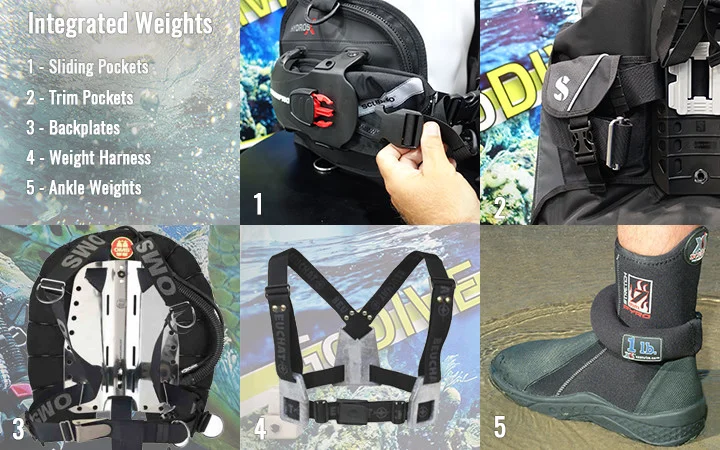
Place equal amounts of weight in each side pocket to avoid tilting to one side. Many BCDs also feature trim weight pockets located at the back near the tank, which help fine-tune your positioning.
2. Use Trim Pockets for Rear Weight Placement
If your legs tend to sink, placing small amounts of weight in rear trim pockets can shift your center of gravity slightly upward, balancing your trim. These pockets are usually located high on the BCD near the tank band.
3. Adjust for Wetsuit Buoyancy
Wetsuits compress at depth, reducing their buoyancy. Divers may need to add a little more weight during colder dives but should distribute that weight appropriately in the integrated pockets for balance.
4. Perform a Weight Check
Before every dive, make a weight check to determine if you are carrying enough or too little weight. Too much weight will have you fiddling with your trim all the time, and too little may make it impossible to descend or stay at depth.
5. Stay Horizontal
Place your weights and work on staying horizontal in the water. This position minimizes drag and promotes better buoyancy control.
Emergency Considerations
Safety is key in the use of integrated weight systems. A few key points to remember are as follows:
- Know the Quick-Release Mechanism: Know how to quickly release the weights in case of an emergency. Practice this in a controlled environment.
- Consider Weight Drop Scenarios: In the case of an accidental underwater weight pocket loss, the ability to control buoyancy may be compromised. Many divers keep small, redundant weights in their trim pockets, just in case this happens.
- Balanced Weight Distribution: Try to avoid putting all your weight in one spot, as it may make it difficult or impossible to control during an emergency ascent.
How to Choose the Correct BCD with Integrated Weights
When choosing a BCD with an integrated weight system, consider the following:
Capacity: The integrated pockets of the BCD must be capable of carrying the amount of weight that your diving environment requires.
Pocket Design: Look for weight pockets that are secure, accessible, and feature reliable quick-release mechanisms.
Trim Weight Options: BCDs with additional rear trim pockets offer greater flexibility for achieving balance.
Comfort and Fit: The BCD should fit well and feel comfortable loaded with weights.
Integrated weight systems have transformed how divers manage their buoyancy, trim, and balance underwater. By removing the discomfort of a traditional weight belt and offering better distribution of weight, these systems help divers maintain a streamlined position and enjoy more efficient dives. With practice, proper weight distribution, and a little attention to detail, you can optimize your trim and achieve a new level of underwater control and comfort.
For both the casual diver and the professional, integrated weight systems will make the dive much more comfortable and enjoyable, affording one to work underwater with much less stress and greater confidence.