These days, dive computers have entirely changed how divers plan and, eventually, carry out their underwater escapades. It is within their sophisticated decompression metering algorithms that such devices promise safety during ascent by minimizing the risk of decompression sickness (DCS). Gradient factors and real-time adjustments are probably the most crucial constituents of these algorithms because they play pivotal roles in modern dive safety.
Hearing About Decompression Algorithms.
Decompression algorithms are mathematical models that predict gases like nitrogen (occasionally, helium in technical diving) absorbed and released in a diver’s body. They are founded on gas kinetics and physiology, and some of their models are: -Bühlmann ZHL-16C: The world’s most popular model defining compartments in the body, each having its different half-times for gas absorption and its elimination. -RGBM (Reduced Gradient Bubble Model): Focuses on bubble dynamics, preventing microbubbles. -VPM (Variable Permeability Model): Bubble physics that allows safer decompression with technical dives. Algorithms will compute the diver’s no-decompression limits (NDLs) and manage staged decompression stops to allow dissolved gases to leave the tissues safely.
These gradient factors (GFs) enable compression schedules within the Bühlmann algorithm to be customizable. There are two gradient factors: GF Low and GF High; the former, associated with deeper stops, determines how much supersaturation is acceptable in the beginning phases of ascent. The latter, measuring the final ascent phases, ensures that a diver can make it to the surface safely.
Gradient factors can be used by the divers to adjust the algorithm’s effectiveness in terms of safety vs. productivity. A low gradient, for example, means a more conservative profile with a potential reduction in DCS risk but longer requirements for decompression. On the other hand, high gradient factors effectively minimize stop times, and thus few they placed at risk.

Real-Time Adjustments
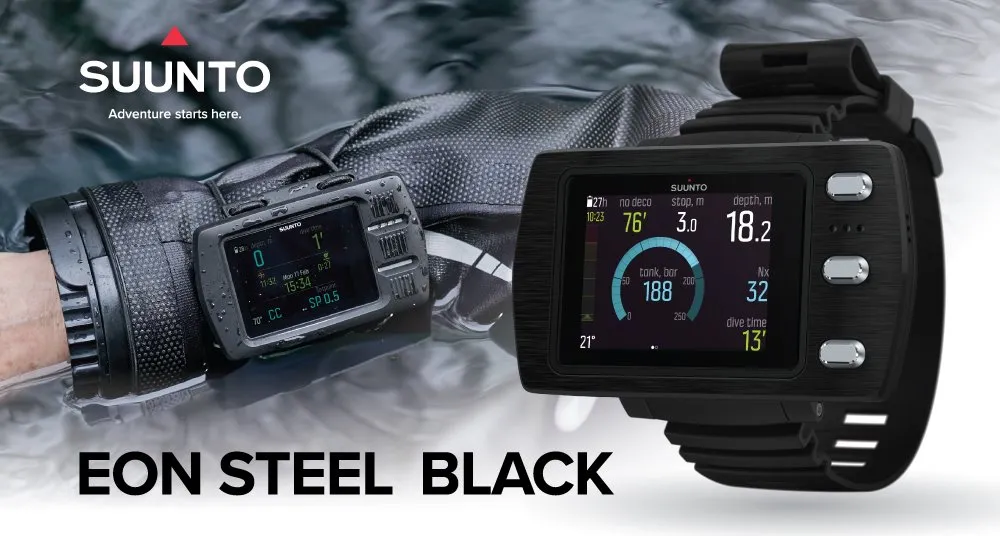
Modern mechanisms inside dive computers offer real-time updates in the event of unforeseen conditions during a particular dive. Some examples of these include:
Multi-level Diving – the accommodating of varying depths instead of a maximum fixed depth.
Extended Bottom Times- a real-time recalculation of the decompression schedule once the divers have spent longer at their depth than expected.
Temperature and Workload – Updating conditions that affect gas absorption: cold water or heavy exertion for the diver.
Ascent Rates- Immediate indication if the diver is ascending rapidly, which is a negative aspect that increases the formation of microbubbles.
Real-time monitoring not only prevents safety hazards but also individualizes the dive profile to remain within physiological limits for that diver.
Customization and User Input:
Many dive computers are quite sophisticated to the point that the user may program some of the algorithms:
Personal Safety Factors: Include factors of conservatism for individuals who tend to develop DCS (e.g. older, unfit, etc.)
Gas Mixes: From air to nitrox to trimix, the choice would be made according to dive requirements.
Altitude Compensation: Address low ambient pressure at dive sites at high altitudes.
By altering the parameters according to their specific needs, divers can maximize safety and bottom time.
Bottlenecks and Future Directions:
Even the latest developments in decompression algorithms leave something to be desired in terms of efficiency. Individual physiology and environmental variation do not allow any model to ensure absolute safety. The current research includes:
Personalized algorithms include biometric data such as heart rate and oxygen saturation in the realistic monitoring of individual physiology.
Machine Learning: AI action based on large datasets of dive profiles and outcomes to make the algorithm more exact.
Integration with the Wearable: Enhancing real-time feedback by syncing smart devices and dive-centric wearables.
Gradient factors and real-time adjustments are examples of the complexities of decompression metering algorithms within dive computers. Scientific models, user customization, and adaptive technology incorporate these devices into a divers’ underwater experience, making it much safer and freer. Divers, however, should not assume that algorithm use means that they do not have to pay attention. Judgment and personal training must complement any algorithmic advice before safely finishing dives with complex decompressions.