Seals against environmental elements in the regulator protect against sand, salt, and silt in open waters As the underwater explorers dive deeper into their world, they are bombarded by an environment complete with sands, salts, and silts. Though part of the natural aquatic landscape, these elements of sands, salts, and silts pose hazards to diving gear- most of all to regulators. These conditions call for environmental seals that were introduced to modern regulators, which are purposed so that the performance and life of equipment can be preserved. This article looks into the importance of environmental seals and how they function, as well as why they’re important to divers in open-water environments.
Role of Regulators in Diving
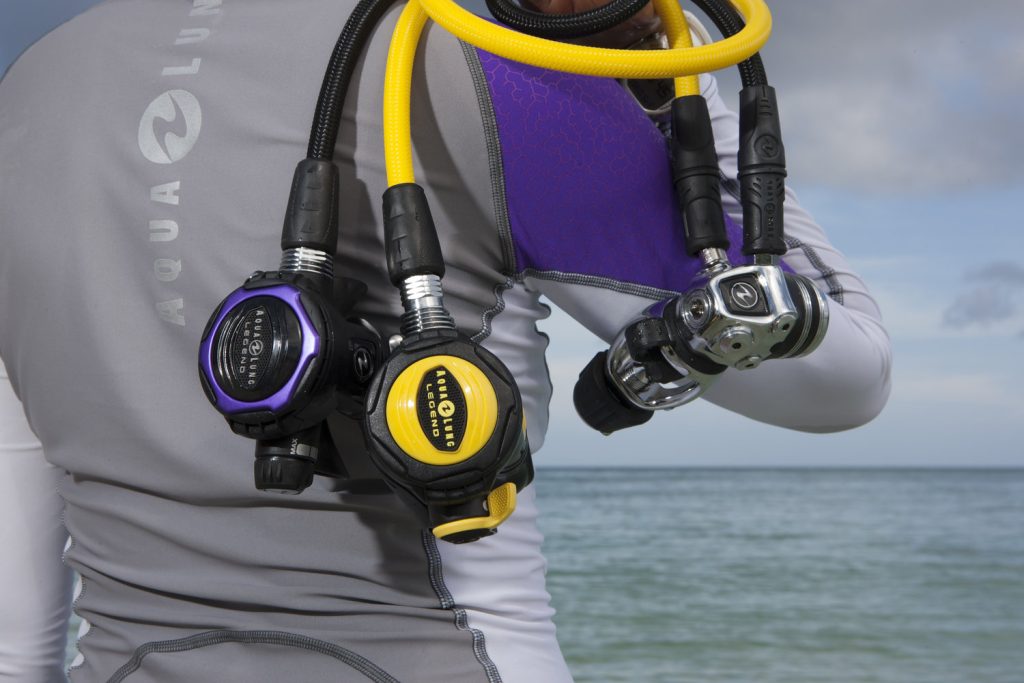
Their main aim for owning these accessories is to help a diver breathe comfortably through a tube while submerged in the water. From this importance, the following are considered as open water diving, or the use of regulators in an environment that has never been clean. Such conditions will very much include the exposure of an abrasive sandy surface with the wisdom of the effects that might occur, absorption of salty water, and sometimes the way it might be affected by clogging silt particles.
Environmental Seals Defined
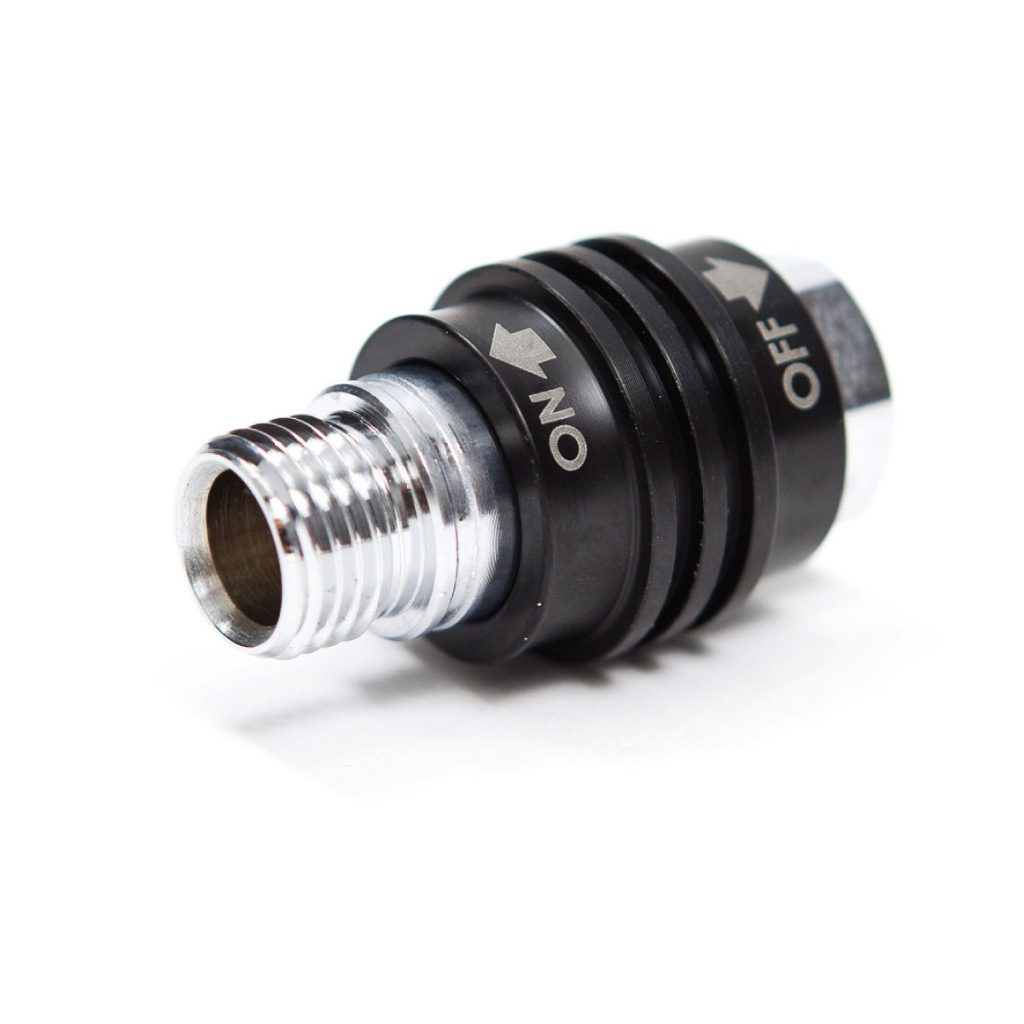
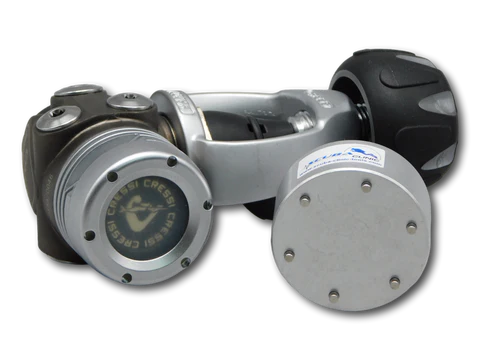
High-end regulators feature some special features designed to keep them operating in many environments. They are seals that seal off internal portions such as the first stage of the regulator from the outside world. It works like a barrier and thus prevents dust, salt, and silt from entering and interfering with sensitive mechanisms inside.
Benefits of Environmental Seals
- Corrosion Protection
Saltwater is toxic in corrosion, and really corrosive to metals used in regulators. An environmental seal keeps the salt out and thus minimizes corrosion risks which prolongs the equipment’s life.
- Superior Performance
The regulator would at one time be clogged with silt and sand in the absence of a seal and therefore poor airflow. With environmental seals, flow performance is constant even in heavily contaminated waters.
- Cold-Water Resistant
Seals of this nature also block the formation of ice in the regulator parts when diving in cold water conditions, therefore adding to the safety and practicality of the equipment.
- Less Maintenance
The environmental-sealed regulators do not need many cleaning intervals and sand-and-salt repairs, meaning saving for the divers both in the hours spent in cleaning time and dollars.
How Environmental Seals Work
Most of the environmental seals depend on some forms of diaphragm adaptation amid two surfaces to form the water barrier. The first stage and diaphragm sealing type of regulators enclose the water right where it can be said to have relatively free movements in water to allow water or its silt or sand to get to the operating portions of equipment. Some of those said seals contain lubricants protective of water from wearing abrasives which in turn are important lubrications needed for smooth functioning operations.
Who Benefits Most from Sealed Regulators?
Greatly instrumental to:
- Recreational Open Sea Divers
Divers who surf sandy beaches and reefs, or spend time in lakes with silted bottoms can enjoy the peace of mind that their equipment will remain free of performance problems due to these contaminating factors.
- Technical and Colder Water Divers
A sealed regulator fights freezing and very bad conditions for a user diving deep or in cold environments.
- Frequent Divers
Sealed regulators can usually withstand quite a number of hard situations repeatedly every time. It is one major reason divers who go regularly would be seeking it due to trying to reduce ka-damage on their gear.
Fitness Tips for Environmental Seals
Rinse Thoroughly After Each Diving
Rinsing the regulator in fresh water after diving prevents any salt or sand residue even with an environmental seal on the external parts.
Observe Manufacturer Guidelines
Routine maintenance by a certified technician also keeps the seal and the rest of the components in proper working condition.
Pre-Dive Check
Visually check the seal prior to a dive for any signs of visible wear or damage.
To the diver, environmental seals are a holy grail for his eternal quest for reliability and resistance: protection against sand, salt, and silt-in that adds to performance, prolongs life and adds an extra little touch of peace of mind. Be it the recreational diver basking in the splendor of tropical reefs or the technical diver stepping into extreme conditions, the regulator with environmental seals is an investment bound to pay off with many dividends in terms of safety, efficiency, and longer life.