SCUBA diving is a sport full of excitement and adventure since it depends heavily on the supply of clean and pressurized air so that divers can explore the underwater beauties. A SCUBA tank filling station supplies compressed air stored in tanks for divers to dive. The state-of-the-art technology in compressors and filtration systems enables these stations to fill divers’ tanks with air free from contaminating impurities. This article goes into the technology behind SCUBA tank filling stations, focusing on the essential components: compressors and filtration systems.
SCUBA Tank Filling Stations-A Brief Introduction
A SCUBA tank filling station is one where the tanks of the divers are filled by using compressed air (or any other gas like Nitrox or Trimix). It will generally be found at dive shops, marinas, training centers, or on vessels. A filling operation consists of an electric motor, which drives the compressor to build the required pressure, and a filtration system to remove contaminants before the compressed air goes into the tank.
The SCUBA tank filling station has to make sure that the air in the tanks meets certain criteria of purity to avoid any adverse health effects on the diver. Thus, contaminated air should be avoided. The contaminants include moisture, oil, and particulates, which can damage the diver’s equipment as well as the respiratory system of the diver.

Compressors: The Heart of the SCUBA Tank Filling Procedure
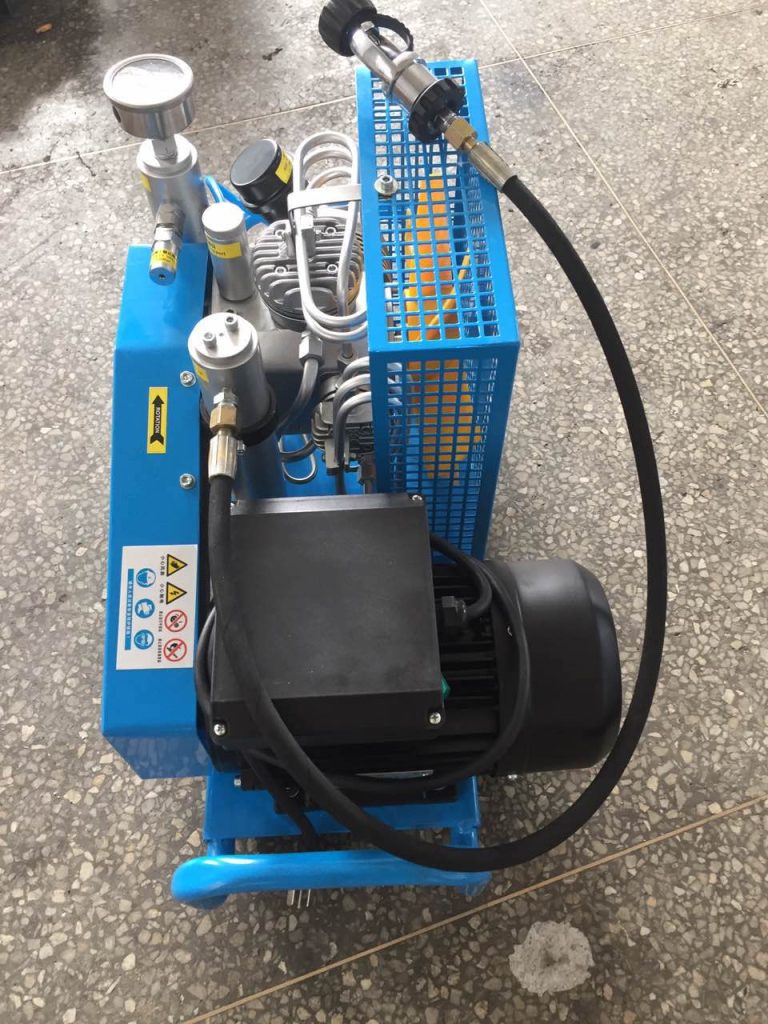
1. Function of the Compressor
The SCUBA tank filling station’s heart is the compressor. Its work is to inhale ambient air and compress this air at extremely high-pressure states required for SCUBA tanks to depressurize it into tanks through a filling line. SCUBA tanks usually carry air between two thousand and three thousand five hundred psi; therefore, compressors should be quite capable of creating and keeping these high pressures.
2. The Compressors Filling SCUBA Tanks
Piston Compressors: It uses the piston mechanism to do this compressing. Because quite a lot of small filling stations find this type simple and uncomplicated to set up, few fill stations have larger filling stations as they are less expensive to run. However, it has a downside in that quite large heat develops and regular oiling is required in their operation.
Rotary Screw Compressors: For larger filling stations, generally, these types of compressors are now very rarely used. It works by bringing two interlinked screws together, thereby compressing air between them. This rotary screw type of compressor is most appropriate for continuous-running compressors providing usage and the ability to bring in large volumes of air; for example, it can be used in commercial dive shops or training centers.
Oil-Less Compressors: Some filling stations use oil-less compressors that totally remove the problem of oil-lubricated equipment. These compressors are useful as they exclude the possibility of oil contamination inside the air, which has value in some diving applications, especially while filling Nitrox tanks.
3. Capacity and Speed of the Compressor
Compressors are rated in terms of cubic feet per minute (CFM) and must satisfy the requirements of the divers at the filling station. In a busy location where many tanks are being filled at the same time, those compressors must work efficiently double fast. Speed also determines how quickly the filling process is executed to enable following the schedule by divers, especially in commercial and training operations.
With such large compressors, it would be possible to fill several tanks at once, at very high pressure, enabling the continuous supply of compressed air. Finally, compressor capacity would need to coincide with air purity and pressure specifications.
Filtration Systems: Assuring Clean, Safe Air
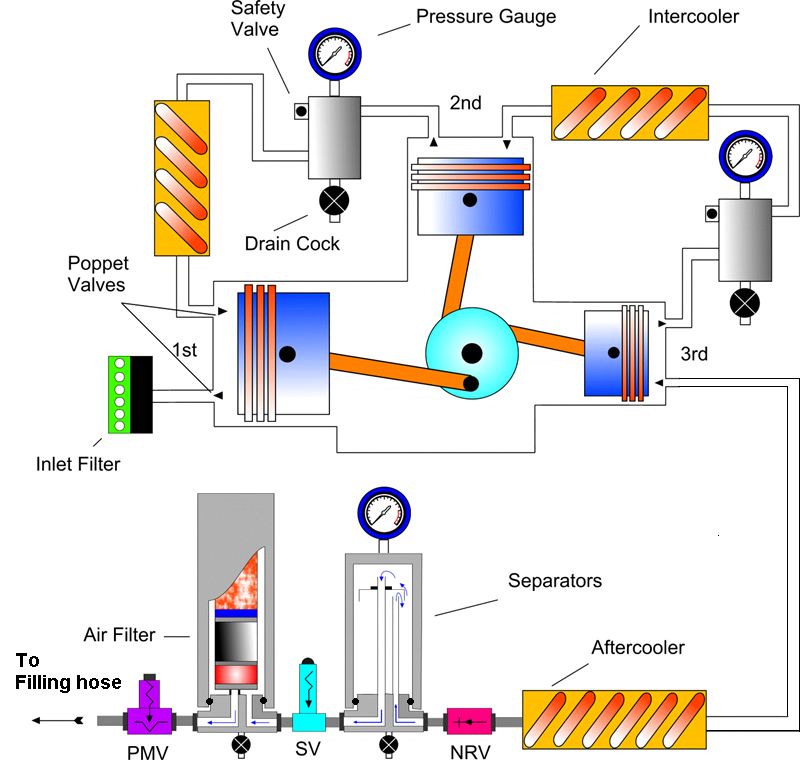
1. Why filtration is that important
Filtration systems are just as much a part of the SCUBA tank filling stations as compressors. The air contaminants may harm the health of divers in one way or another. Moisture, oil vapors, and particulates promote SCUBA tank and regulator corrosion and may result in the valves being clogged or the seals being damaged or inoperative to the air supply system. Contaminants when inhaled may also end up causing or aggravating respiratory problems among the divers.
2. Components of Filtration Systems
The SCUBA tank filling station uses multiple-stage filtration to clean air and ensure safety during use. The components of multi-stage filtration include;
Moisture Separators: These are used for removing moisture from the air. The air contains water vapor, which at some period of time, condenses into liquid and hence causes rust or corrosion within the SCUBA tank. Moisture separation protects both the tank and a diver’s equipment.
Coalescing Filters: Coalescing filters clear up oil vapors and fine particulates within the compressed air. This is done so that smaller droplets can coalesce into larger droplets, which can then be separated from the air. This is an important requirement because it must be ensured that the air delivery to the equipment and diver does not have any oil content as it is harmful to both.
Activated Carbon Filters: Activated carbon filters are designed to eliminate residual oil vapor and odor left behind after oil or chemical contamination in the air stream. Charcoal or carbon composition is used for adsorbing these impurities in compressed air so that it satisfies purity requirements.
Particle Filters: Particle filters operate by removing solid particulates, like dust or dirt, from the compressed air. It holds these particles inside the filters and, thus, prevents them from entering sensitive internal parts of SCUBA tanks, regulators, and diving gear.
High-Pressure Air Dryers: Sometimes, compressed air will be dried with the aid of a dryer so that the relative humidity will be able to drop lower than normal to ensure that dried air reaches filling tanks in their dry state and allows no condensation to take place during or after filling.
3. SCUBA Air Purity Standards
As per many diving institutions including the Compressed Gas Association (CGA), the air used in SCUBA tanks must be maintained under strict standards to make it free from harmful contaminants. It should comply with or exceed a purity standard known as Grade E air, which includes the following criteria:
- Oxygen Content: 20.9% (equivalent to atmospheric air)
- Carbon Monoxide (CO): Maximum of 10 parts per million (ppm)
- Carbon Dioxide (CO₂): Maximum 1,000 ppm
- Oil and moisture: Minimal or none detectable
These standards ensure that divers breathe clean air without unsafe pollutants.
Recent innovations in SCUBA tank filling stations
Technology has evolved in SCUBA tank filling stations, where filling stations have become more efficient and environmentally friendly due to advances in compressors and filtration systems.
Electric and Variable Speed Compressors: Newer models of modern compressors are more energy efficient, using electric motors and variable speed drives to adjust power consumption according to demand. All these keep energy costs low and improve the sustainability of the product.
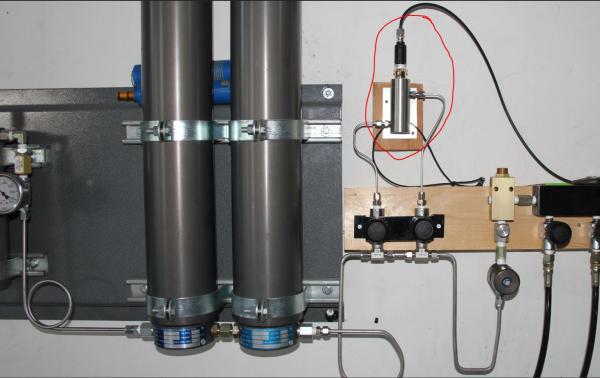
Integrated Filtration and Monitoring Systems: Modern SCUBA tank filling stations now feature integrated systems combining filtration and monitoring. These systems measure air quality all the time and trigger the filtration automatically once contaminants breach safe limits. Automated monitoring ensures that the air falls under the purity norm reached without anyone present for further safety for both the filling station and the diver.

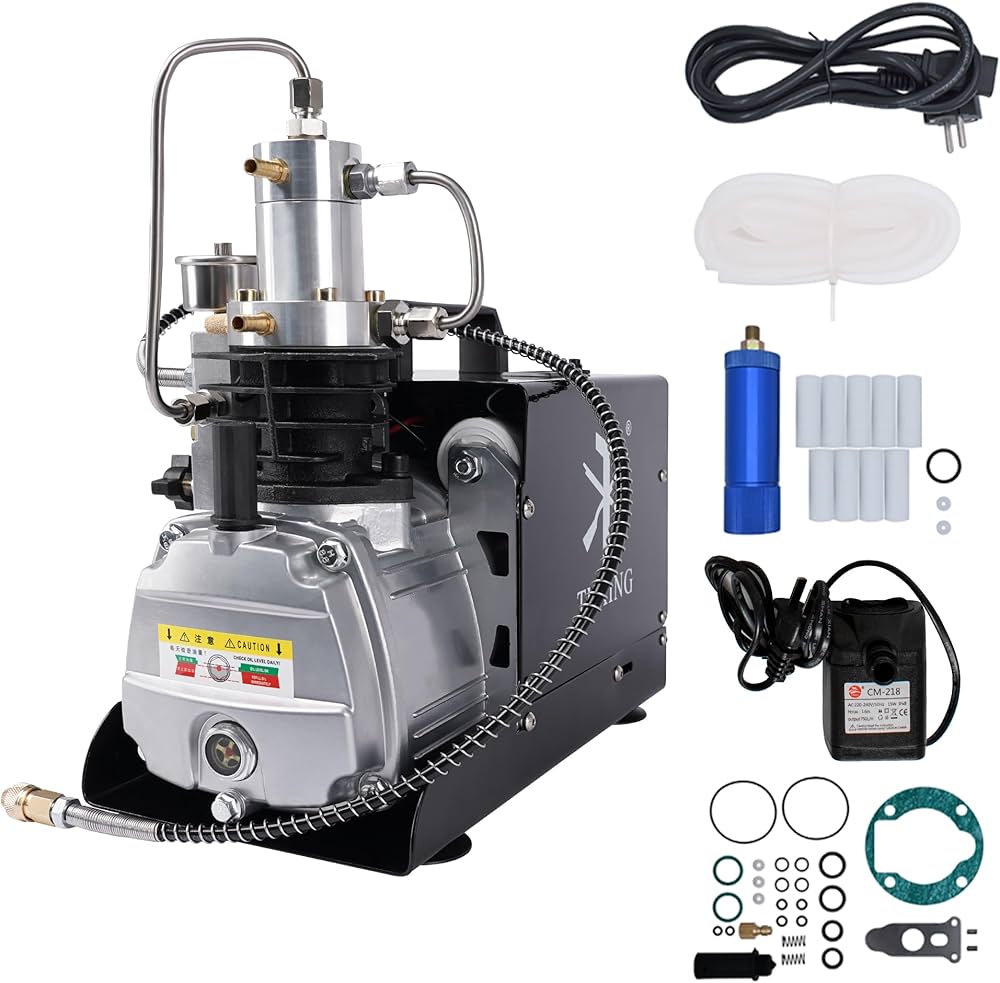
Mobile Filling Stations: Nowadays, mobile filling stations for SCUBA tanks are becoming quite popular for distant places and live-aboard dive boats. These portable units bring high-efficiency compressors together with compact filtering systems to provide divers with air that meets outdoor safety standards.
SCUBA tank filling stations are the hubs of the diving industry where divers achieve the actual air they use for their dives. These critical technologies, including compressors and filtration systems for compressed air delivery to divers, have improved the safety and hygiene aspects of the air consumed and have been increasingly becoming advanced with time for SCUBA tank filling stations. The driving force behind all technological advances is that SCUBA-dive tank filling stations-to-be would feature so many things an average diver would want to see in a future visit. They will include the newest compressor technology in conjunction with top-shelf filtration systems that can give divers the ability to clear their minds and simply enjoy themselves under the waters, without worries concerning air quality or failing equipment.