Bluetooth and wireless integration have added completely to the repertoire of functionality offered by a dive computer that, quite frankly, makes it almost unbelievably versatile and user-friendly. These technologies are not gimmicks; they are game-changers in the idea and performance transformation for divers’ management of data and experiences while diving. So, let’s go into how this can be undressed and the reason why all of this is quickly becoming a mainstream feature in modern dive computers.
The Basics of Bluetooth and Wireless Integration
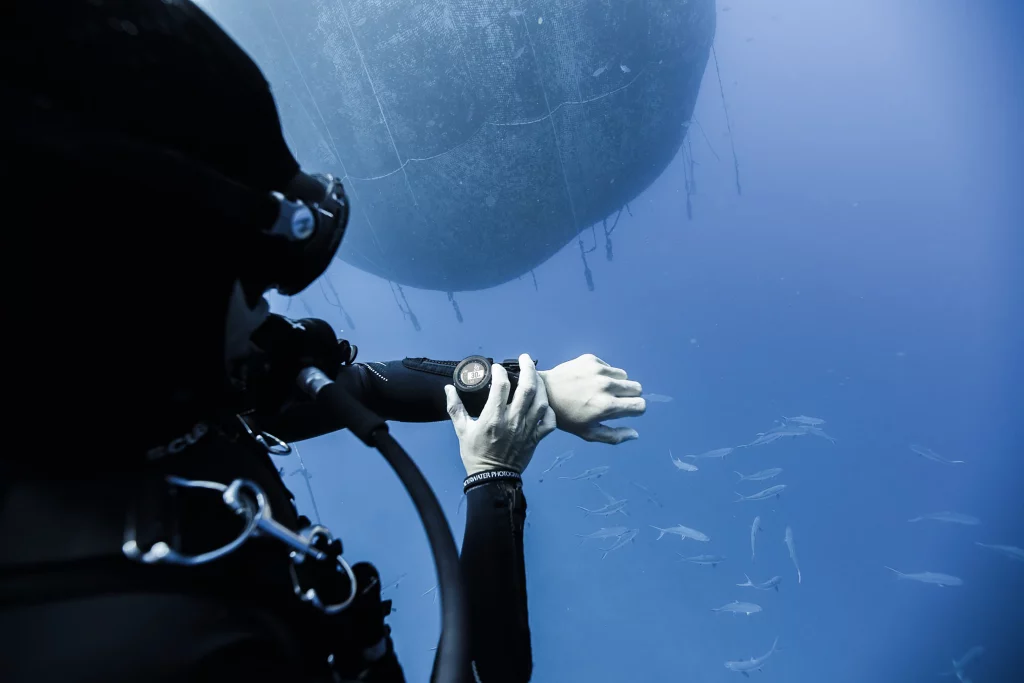
Bluetooth and wireless technologies allow divers to connect their dive computers directly to a smartphone, tablet, or other devices, cutting out the wire. It is, then, possible to have an instantaneous transfer or synchronization of data such that there is no case either for having to undertake manual logging or to acquire a proprietary cable and adapter to achieve this. The majority of today’s dive computers are installed with Bluetooth low energy (BLE), the new version of Bluetooth that uses less energy while transmitting data.
Advantages of Wireless Connectivity
Flawless Data Monitoring
Bluetooth-enabled dive computers automatically sync dive datasets into compatible mobile apps. All depths, dive times, water temperatures, and gas consumptions are preserved safely and easily reviewed or shared.
Improved Diving Plans
Pre-dive planning is facilitated by some applications linking to Bluetooth-enabled dive computers. During pre-dive planning, divers would set professional dive parameters, review prospective sites, and upload the plans into the devices.
Firmware Update
Wireless integration enables the possibility of over-the-air firmware updates enabling the dive computer to be as dynamic as possible, receiving the latest incorporation features without a physical connection.
Social Sharing and Community Participation
Most mobile applications attached to dive data offer adjunctions for sharing their dives on social platforms or within dive communities. Perfect for divers who like to display their underwater adventures or meet new enthusiasts.
Advanced Analysis
Most apps paired with Bluetooth-equipped dive computers have analysis features that analyze how you are more likely to dive, your air consumption rates, and other metrics to enhance safety and performance.
Best Bluetooth and Wireless Dive Computers
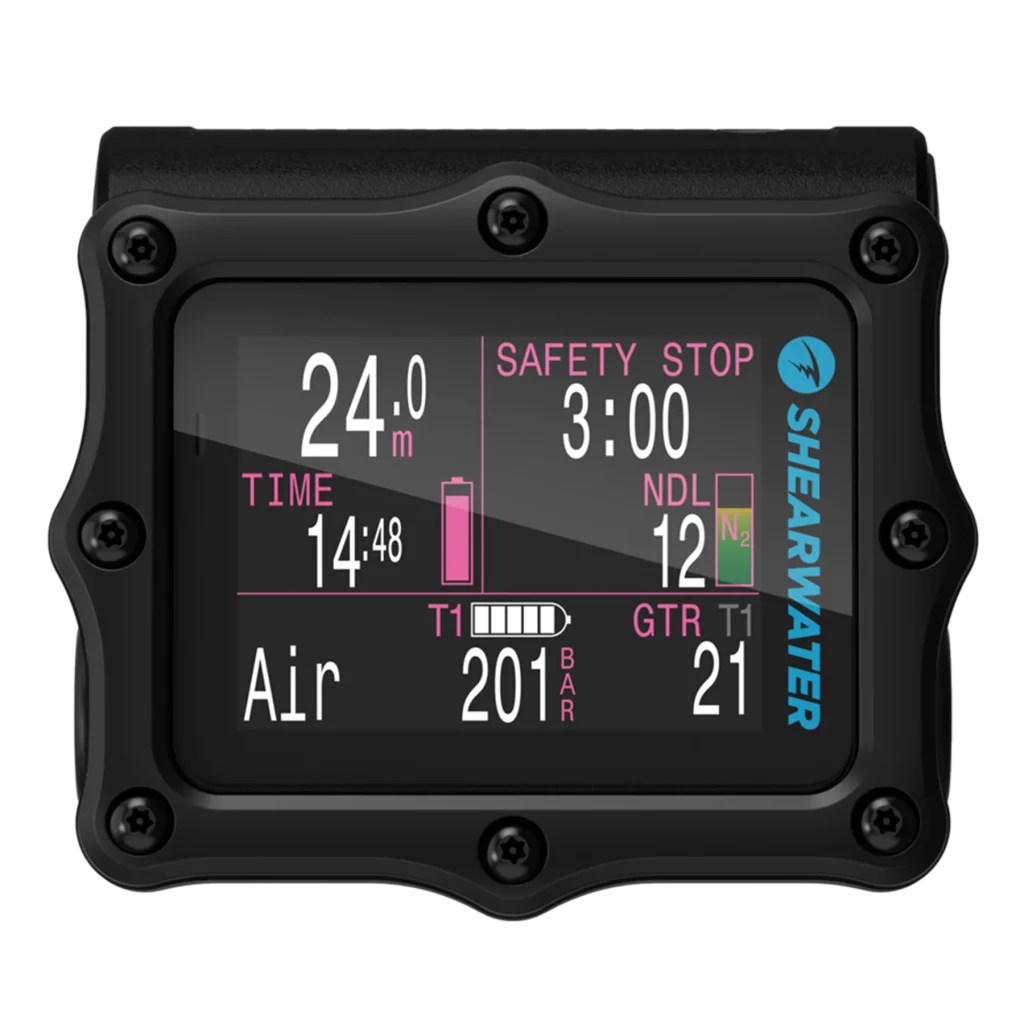
Shearwater Perdix AI
The Shearwater Perdix AI review is supported when it comes to a smooth interface with Bluetooth functions robustly to sync and integrate with the app, Shearwater Cloud.
Garmin Descent Mk2
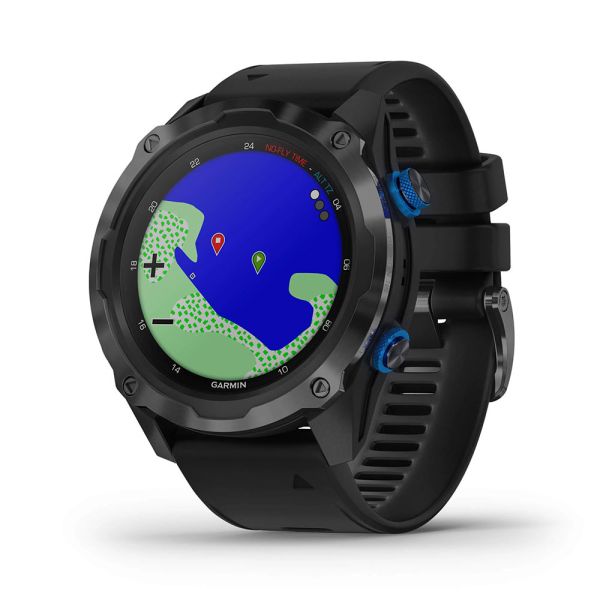
It is, in fact, a hybrid smartwatch with a diving computer; very much embraced because of the wireless connectivity between Garmin Dive and the user’s dives while tracking other fitness metrics.
Suunto D5
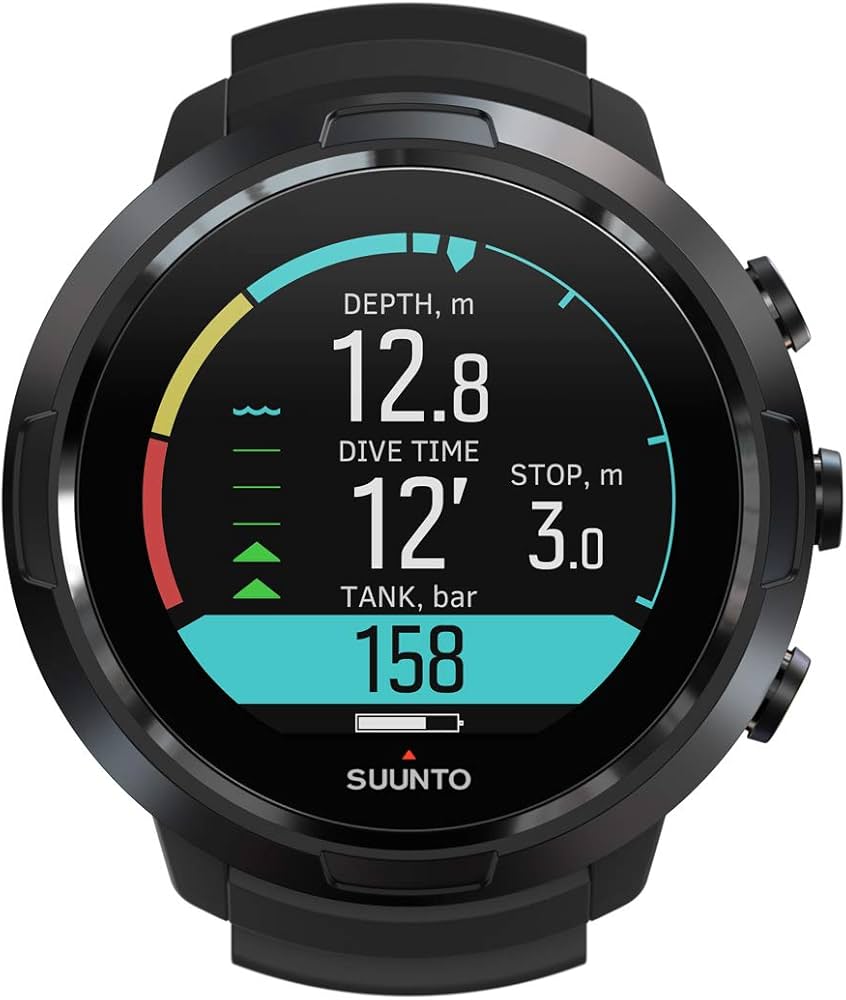
Sleek designed, Suunto D5 has a seamless connection to the Suunto app for syncing dive logs and sharing with other people.
Aqualung i770R
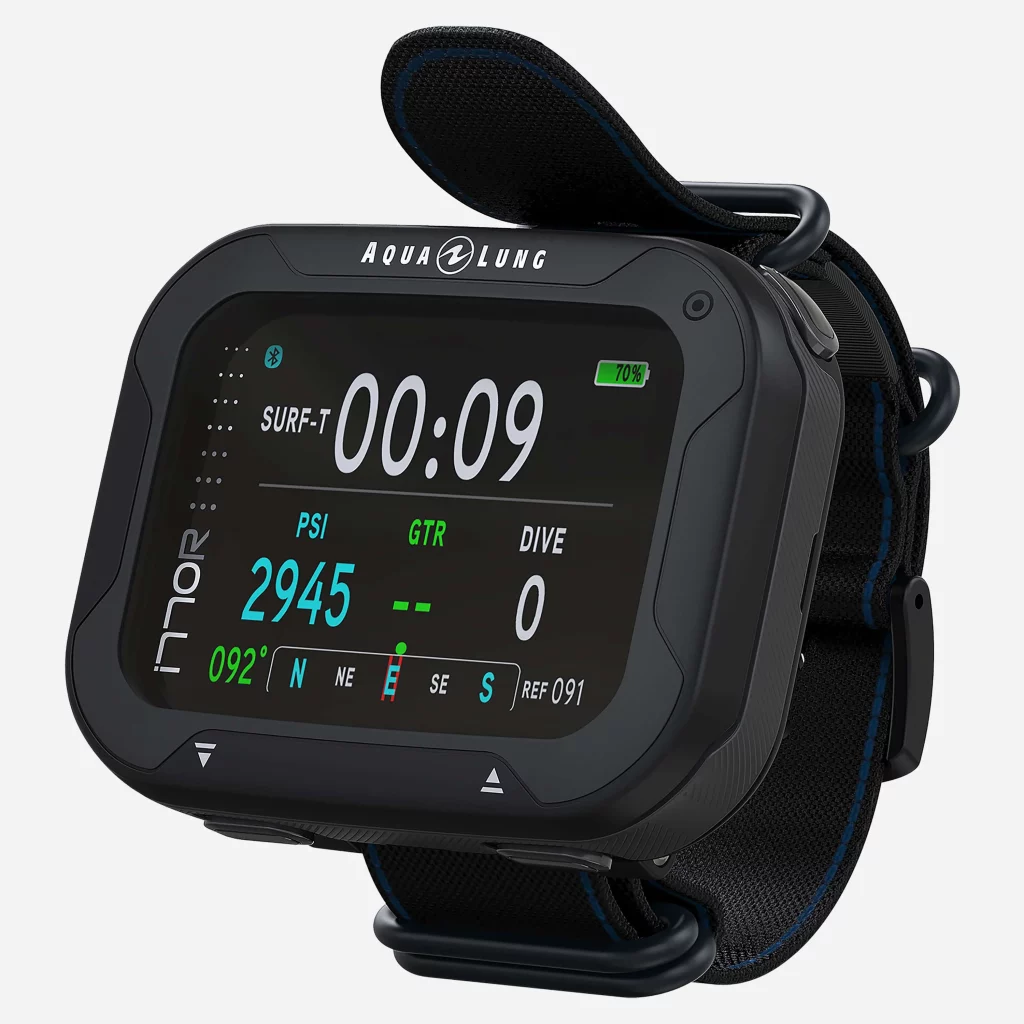
This Aqualung i770R boasts Bluetooth technology and can be easily linked with the DiverLog+ application for the high-tech diver’s delights.
How to Maximize Wireless Features
Here are a few pointers to maximize utility from Bluetooth and wireless integration.
Identify the Right App: Match the application’s functions with what your needs are for the dive computer. Look for features like dive planning, analytics, log customization, and so on.
Keep Your Devices Updated: Update both your dive computer and your mobile application for optimal access to new features and improvements.
Backup Dive Logs: Mobile applications are always handy when syncing, but it never hurts to have another backup, either on the cloud or another device, to avoid any loss of data.
Optimize Battery Consumption: Turn Bluetooth off when not in use to extend the battery life of your diving computer.
The prospects ahead are really bright concerning wireless integration.
The integration of Bluetooth and wireless into dive computers will, with time, improve as technology continues to upgrade. Such advances will likely include:
Real-Time Cloud Syncing: Upload to cloud storage directly during surface intervals.
Augmented Reality (AR) Integration: Enable real-time data display from diving computers into AR-enabled masks.
AI Enhancement: Probably involve an AI-integrated application with the potential to provide personalized insights and recommendations on dives based on your previous dives.
Bluetooth wireless integration provides connectivity to dive computers that makes it much easier for divers to extend their territories all the way down under. Such features not only facilitate data management but also add safety, planning, and general diving experience. Technology is bound to advance; therefore, divers may expect more convenient tools and capabilities to embrace the deep oceans ahead.”