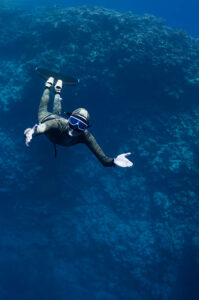
Mask squeeze in scuba diving (which is also known as facial barotrauma or face squeeze) is considered one of the types of barotrauma that can happen to scuba divers because of not equalising the pressure inside the scuba mask in the proper way. You can simply equalize the pressure in your mask by exhaling through your nose.
Upon descending underwater, an increase in the external pressures on the body happens. There is more pressure put on your scuba mask and it becomes painfully pressed against your face unless you didn’t properly equalize this pressure.
So, who gets mask squeeze, and what is the symptom, treatment, and prevention?. That’s what we will talk about in this article. Let’s dive in.
Who Gets Mask Squeeze?
This condition is very common in new scuba divers. They often feel overwhelmed by the many skills they should remember, like buoyancy control and ear and sinus equalization while trying to adapt to the new underwater environment.
Experienced divers can still get mask squeeze, especially while focusing on a new activity or task that distracts them from clearing their mask.
Switching to a new mask or a mask with a low volume can cause mask squeeze if the diver isn’t used to when to add air. Poor-fitting masks or issues like facial hair can also make equalizing more difficult.

Symptoms of Mask Squeeze in Scuba Diving
The signs and symptoms of scuba mask squeeze in scuba diving include:
- Facial redness and bruising.
- bruises around the eyes.
- Facial pressure or discomfort from the mask pressing into the face.
- Nose Bleeding.
- Redness in the eye or face.
- Red spots of blood in the whites of the eyes
- Swelling.
- Changes in vision in rare cases.
If you notice any changes in your vision, seek medical care immediately.
What Is the Treatment for Mask Squeeze?
Scuba Mask squeeze in scuba diving typically causes minor symptoms and usually is a self-limited condition and doesn’t need any special treatment.
Treat the swelling of the forehead, bridge of the nose, or cheeks by putting cool compresses or ice on the area several times a day for the first two days. You can take over-the-counter pain relievers (OTC), like acetaminophen or ibuprofen to get rid of any discomfort.
Consult an eye care specialist (ophthalmologist) immediately if you have any eye related symptoms from mask squeeze, such as blurry vision, redness, eye pain, or any vision loss (even partial).
How to Prevent This Condition
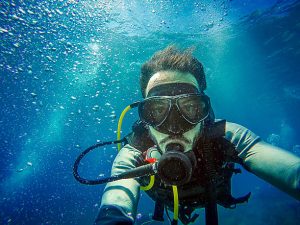
To prevent mask squeeze, remember to keep your nasal passages open by gently blowing air through your nose every time you equalize your ears during descent.
By using a mask with a proper fit and exhaling through your nose, you can reduce the risk of mask squeeze in scuba diving. The mask should have a snug fit on your face in order to allow you to achieve a good seal by gently placing it on your face and inhaling through your nose.
The mask should fit snugly against your face and stay in place even without the strap. It’s normal for a small amount of leakage to occur while diving, especially if there is facial hair.
Exhale through your nose, tilt your face toward the surface, and slightly lift the lower part of the mask to remove the undesired water. This method also help you maintain the air space between the mask and your face.