Scuba diving is an adventure unlike any other, but for anyone who desires to push the envelope even further with their underwater experiences, multi-day diving expeditions and liveaboard trips offer a great avenue to explore the world’s most inaccessible and untouched dive sites. Planning such a prolonged dive trip, however, does require careful preparation and knowledge beyond mere standard recreational dives. With this in mind, the article updates advanced dive planning in light of multiday expeditions, putting great emphasis on necessary liveaboard tips so as to make your trip safe, enjoyable, and memorable.
1. Pre-Trip Health and Fitness Considerations
Embarking on a multiday dive expedition requires one to be in his best body condition. Multiple days of diving increase loads on your body due to repetitive nitrogen exposure, dehydration, and overall fatigue.
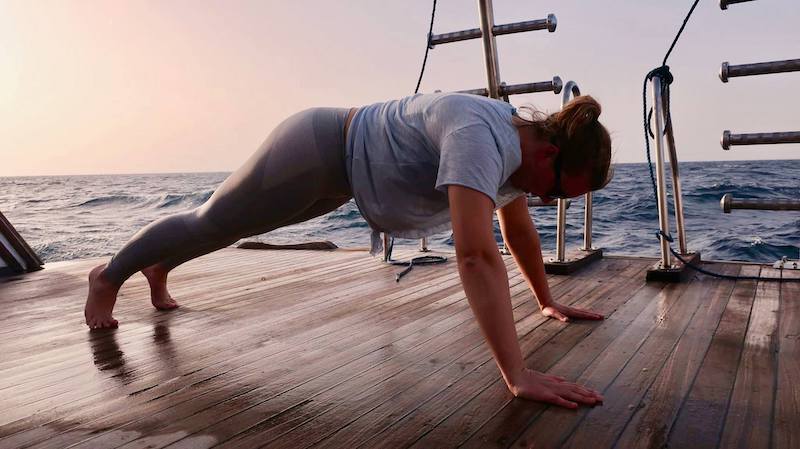
- Fitness for Diving: Regular exercise helps build endurance and cardiovascular health, thus greatly contributing to your diving experience. A sound level of general physical fitness reduces nitrogen uptake and makes long days with multiple dives easier. Core strength and flexibility will also help you put on your equipment, keep the proper in-water posture, etc.
- Dive Medical Check-Up: Get cleared by a dive doctor, especially if one plans to dive in remote areas. Certain conditions like asthma, diabetes, or any history of decompression sickness require professional clearance before extended diving trips.
2. Understanding the Impact of Repetitive Diving
Repetitive diving is diving several times within days. This increases residual nitrogen in the body, and if not appropriately handled it increases the chances of DCS.
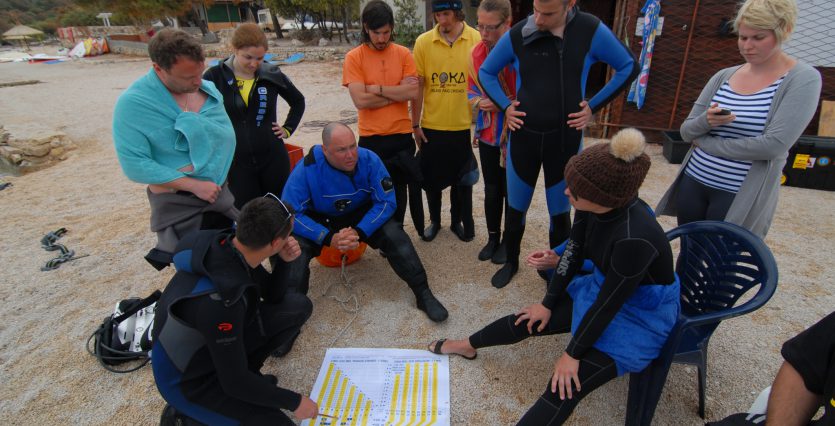
- Dive Planning: Pay attention to your nitrogen levels with your dive computer and stay within your no-decompression limits. For multiple day expeditions, try reducing your dive depth or limiting your bottom time towards the end of your trip in order to avoid nitrogen build up.
- Safety stops: For repeated dives, the safety stops (commonly at 5 meters for 3 minutes) become even more important. The addition of more safety stops, and or going slower during ascent, will further diminish the decompression risk.
- Surface Intervals: Increase the surface intervals between dives wherever possible. The longer you stay out between dives, the greater amount of time your body has for off-gassing excess nitrogen. For multi-day excursions, consider rest days or shallow dives between longer dives to minimize nitrogen saturation.
3. Packing Essentials for a Multi-day Dive Trip
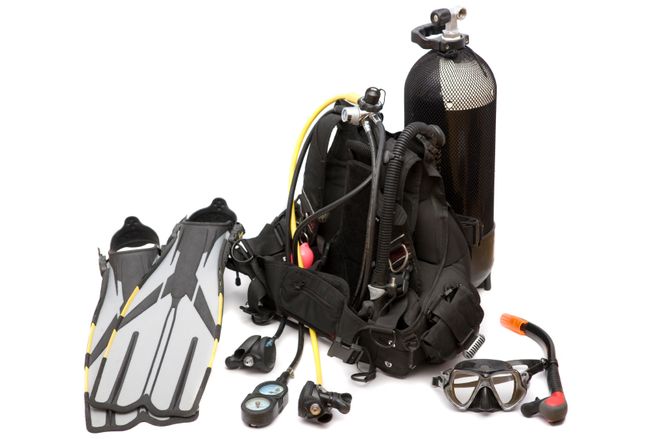
Packing for a liveaboard trip is different from any ordinary or normal vacation. Boats are very small in space, so one has to prepare for anything that may come your way.
- Scuba Gear: If you have your own diving gear, make sure all is in good working condition. Have on hand necessary spares like a spare mask, extra straps for fins, and extra O-rings for the tank and regulators. Also bring along a diving computer, compass, and a surface marker buoy as must-have items for safety.
- EXPOSURE PROTECTION: Bring the appropriate wetsuit for the destination. Depending on water temperature you may need anything from a 3mm to 7mm wetsuit. A hood and gloves may also be necessary in colder waters. Keep in mind even in the tropics, doing multiple dives can make you feel colder over time.
- Clothing: Lightweight, quick-drying, and minimal with sunlight protection for the boat decks; a lightweight layer is invaluable for cooler evenings. A good hat, sunglasses, and some reef-safe sunscreen will be essential during surface intervals.
- Dive Logbook and Certification Card: Don’t forget your dive logbook-most especially if you will be doing advanced dives such as wrecks or deep dives. Most liveaboards will ask you to provide proof of your diving certifications.
- Personal Comfort: A dry bag in which to store valuables, seasickness tablets, personal medication, and reusable water bottles will keep you comfortable and hydrated.
4. Liveaboard Etiquette and Safety
You’ll be sharing the boat with other divers and crew. Good etiquette on a boat means everyone will be able to have a good time.
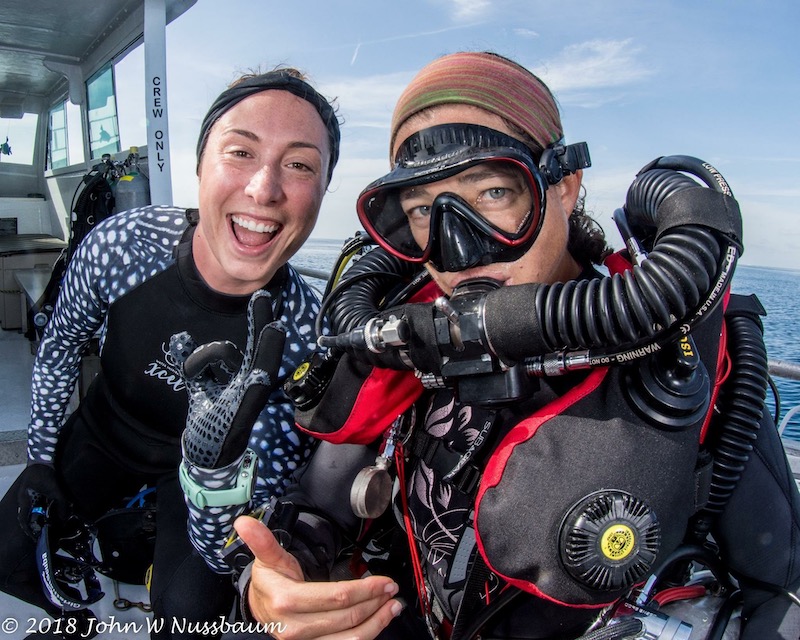
- Pay Attention to Dive Briefings: This is very important to understand the dive site, the safety protocols, and the measures one should deploy in case of an emergency. Listen up, even though you’re an experienced diver, as conditions may be very different from one dive site to another.
- Stow Gear: Space is limited, so be sure to stow dive gear tidily away. Store equipment in a designated area and avoid leaving wet gear around communal areas.
- Buddy System: Utilize the buddy system when diving, even if in the presence of dive masters. Set clear lines of communication with your buddy and go over dive plans. Ensure that you and your buddy are aware of all emergency procedures. Respect the Environment: No evidence of having been there is a good rule. Never touch, stir, or harm marine life. Responsible diving will prevent fragile ecosystem disturbance. Ensure good buoyancy to avoid damage to coral or sediment stirring.
5. Fatigue and Hydration Management
Diving multi-days is exhausting physically and mentally for a person. The right balance between rest, nutrition, and hydration will help you get the best from your experience.
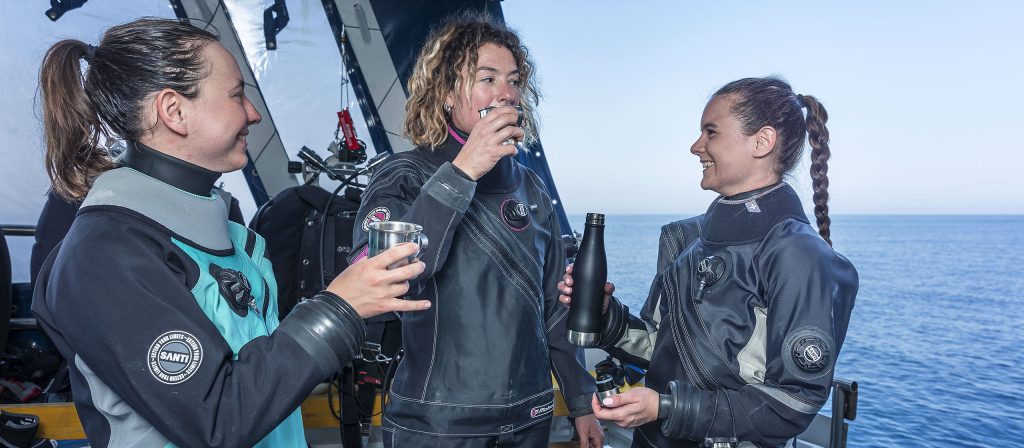
- Hydration: The saltwater environment along with repeated dives will easily dehydrate the body and increase your risk for decompression sickness. Drink plenty of water before and after each dive; avoid excessive intake of caffeine and alcohol, which further dehydrate the body.
- Rest and Recovery: Adequate sleep at night after diving to rest your body from activities. During surface intervals, do not engage in too much strenuous physical activity. It may be exciting to dive, but remember that your judgment could be impaired by fatigue, so take breaks if you need to.
- Balanced Nutrition: Consume healthy meals rich in proteins, carbohydrates, and healthy fats. Fresh fruits and vegetables will maintain energy levels and fluids in the body. Though most of the liveaboards have heavy meals, bars or snacks will help sustain you between dives.
6. Diving in Remote Locations: Preparation and Contingencies
Most liveaboard trips take divers to remote and uninhabited locations of the world. That means in case of an emergency, being prepared is often the difference.
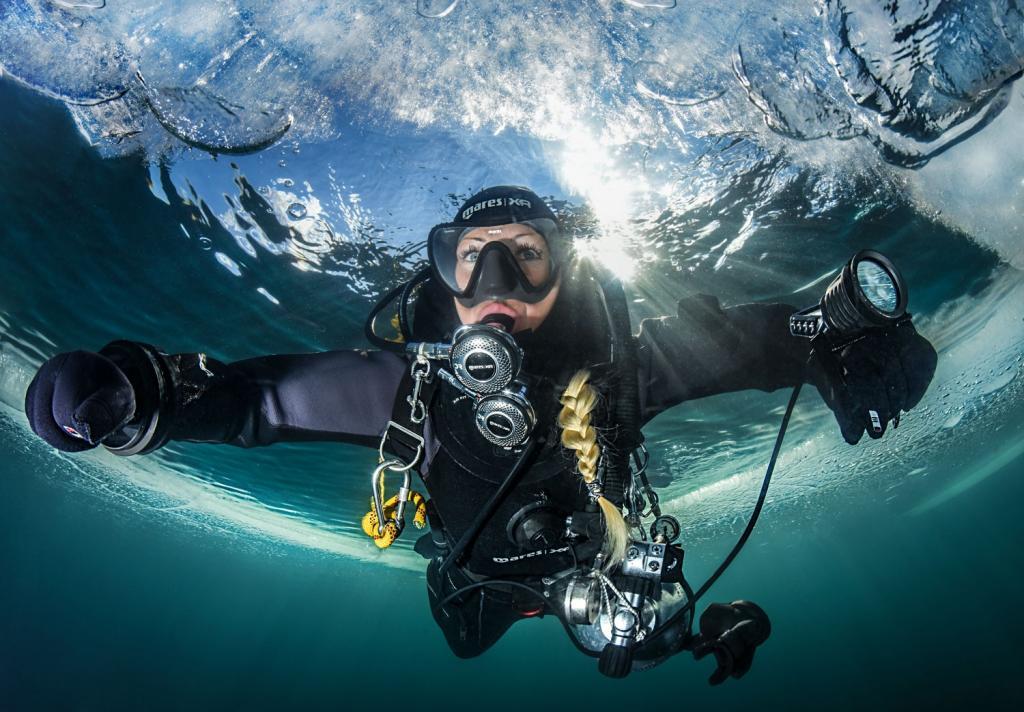
- Medical Supplies: A personal first-aid kit, seasickness medications, pain relievers, and some basic wound-care materials should be brought. The liveaboard should be similarly equipped, including emergency oxygen and at least one person trained in its use.
- Emergency Evacuation Plan: Ascertain if the liveaboard has an emergency evacuation plan. Most are well offshore and it is important to know precisely how long it will take to get to medical care if that is necessary.
- Insurance: Check that your dive insurance covers multi-day and liveaboard trips for diving-related accidents such as decompression sickness or loss of diving equipment.
7. Having Fun Onboard
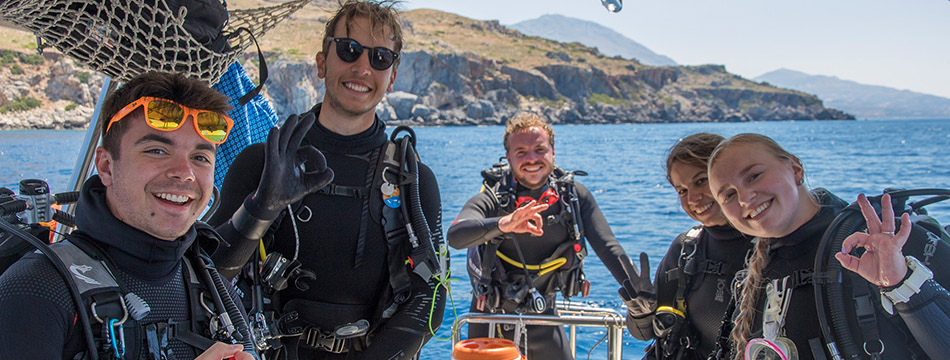
Finally, a liveaboard is not purely a dive; it’s an experience where divers meet other people who share the same spirit and adventure to some of the nicest and most remote locations in the world.
- Socialize and Learn: Liveaboards are a great way to meet other divers around the world. Be outspoken among dive guides and crew so that you learn from them about the marine life, dive techniques, and local culture.
Relax and Recharge: Between dives, spend some time in the quiet of being at sea. Be it reading a book, catching some sun, or just looking at the expanse of the ocean, liveaboards offer experiences that seem to take all the hustle and bustle away from daily life.
Advanced dive planning for several days, even on liveaboard trips, is a perfect balance between preparation, safety, and adventure. This will involve learning about demands created by repetitive diving, how to pack efficiently, etiquette on the boat, and managing your health for a smooth and exhilarating experience. Liveaboard diving opens up a whole new world of exploration, access to remote sites that is unparalleled, and creates memories to last a lifetime. Happy and safe diving!