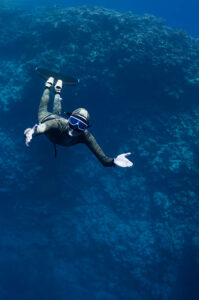
Divers have been involved in aquatic environments replete with cold temperatures and harsh conditions, thus providing sufficient challenge to even seasoned divers. Such conditions have made thermal protection and durability important features of a diving suit. Thanks to developments in material science, today’s diving suits use different kinds of innovative high-performance fabrics and composites, which provide higher warmth, flexibility, and wear resistance. The section below will consider some of the latest materials used in diving suits, their interaction with thermal protection, resistance against environmental factors, and overall durability.
1. Neoprene Evolution: Enhanced Insulation with Greater Flexibility
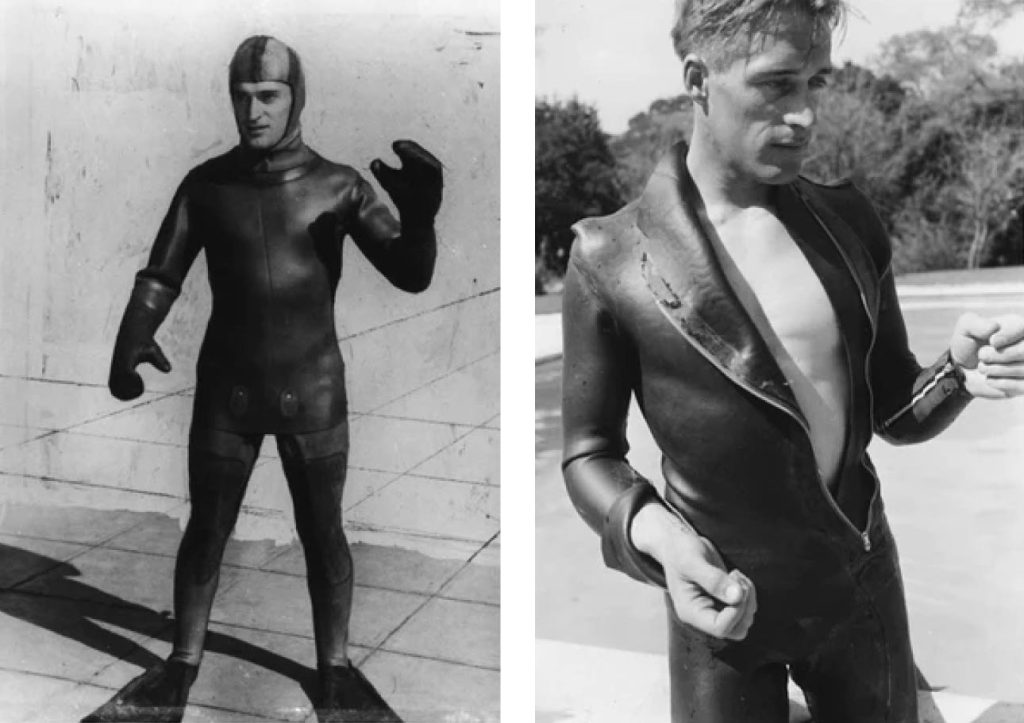
Neoprene is a synthetic rubber that was first popularized in the 1950s for diving suits. It has undergone significant refinements. Traditional types of neoprene were highly insulating but thick and somewhat restrictive. The modern variety now encompasses innovations such as super-stretch neoprene and thermoplastic elastomer blended neoprene, which keeps the diver warm without compromising on flexibility. These updated materials have expanded gas cells within the neoprene for trapping heat, reducing the bulkiness of suits without compromising on diver mobility.
Neoprene today can also be treated with **titanium coatings** that reflect body heat, a fact that allows a diver to stay warm without having to wear thick layers. This would make diving in colder temperatures rather more viable without the need for adding bulk that’s traditionally required for thermal insulation.
2. High-Density Neoprene and Compressed Neoprene: Higher Resistance to Pressure
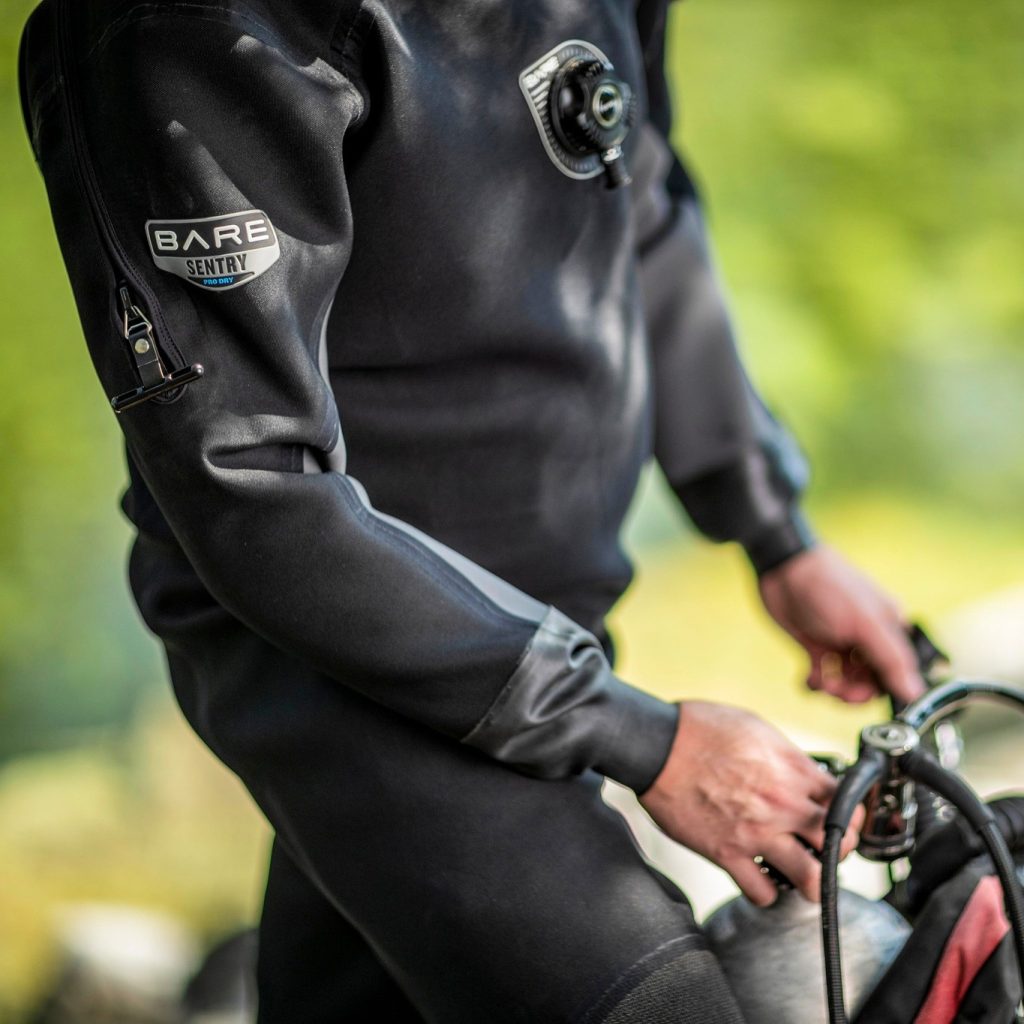
In extreme depths, the gas cells in regular neoprene tend to compress, reducing insulation and hence giving a colder feel to the suit. **High-density neoprene** and **compressed neoprene** combat this by minimizing the size of gas cells. These suits are thinner, being less able to compress at depth. This preserves insulation and buoyancy control, hence providing a consistent level of thermal protection irrespective of depth.
These high-density neoprene suits provide service specifically for divers who dive into deeper waters regularly since the suits help to retain body heat and reduce frequent buoyancy adjustments.
3. Trilaminate Fabrics in Dry Suits: A New Standard in Water Resistance
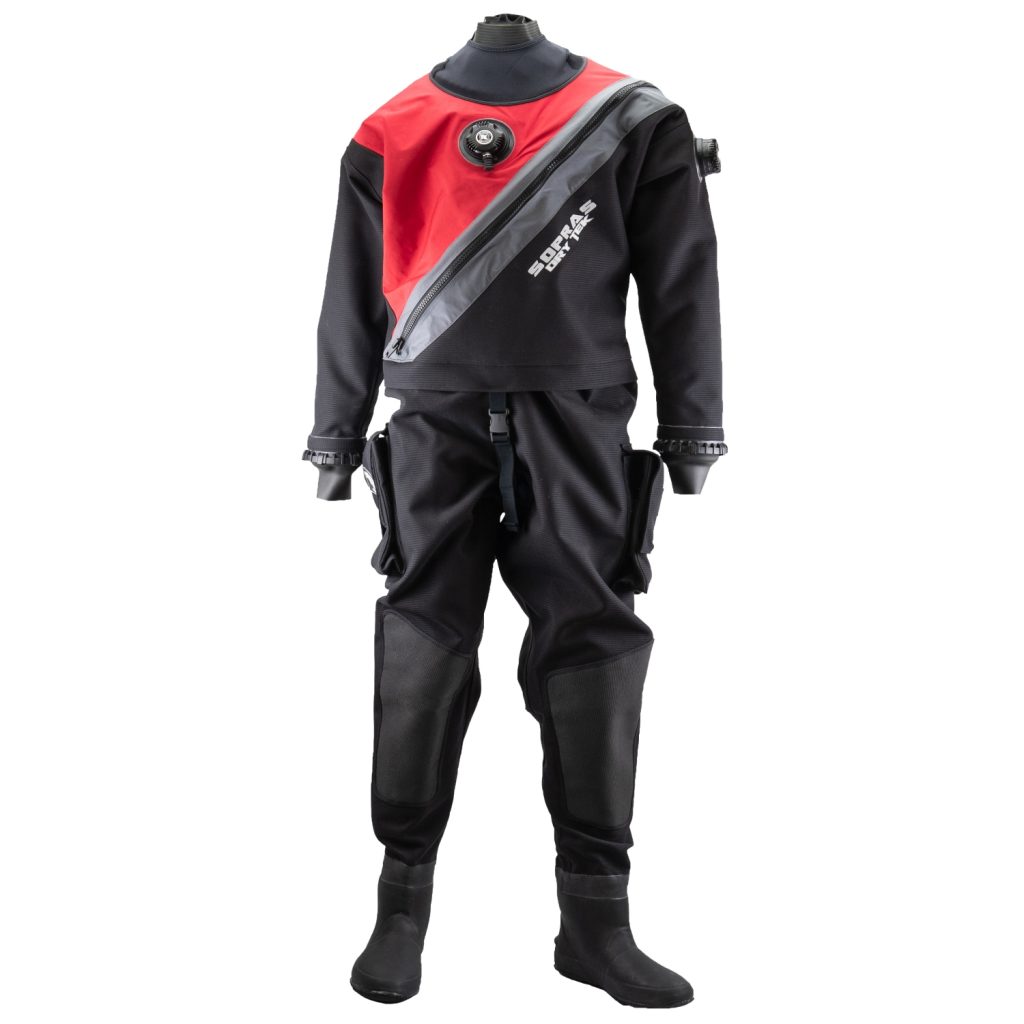
Dry suits operate on advanced **trilaminate materials** that boast multi-layer composites designed for keeping water off while offering top drawer flexibility and durability. The suits usually have a trilaminate construction with a polyurethane inner layer for resistance against water, sandwiched between layers of high-tensile nylon or polyester for strength and good elasticity.
Besides the waterproofing barrier, these trilaminate materials are also known for their tear resistance and low buoyancy: divers can add their thermal insulation layers underneath without affecting the buoyancy control. Some high-quality trilaminate fabrics also incorporate ballistic nylon reinforcement to provide protection against abraded damage from rough surfaces such as rocks or coral and are thus very durable in difficult conditions.
4. Graphene-Infused Linings: Thermal Management at the Atomic Level
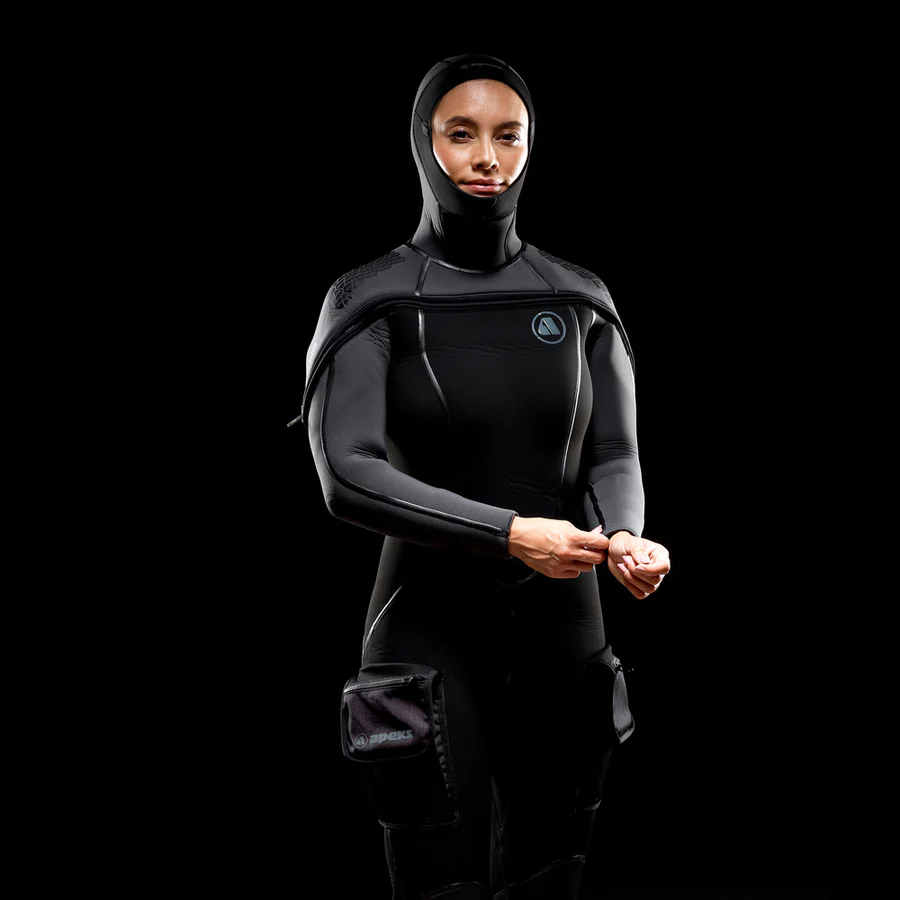
Nowadays, graphene, a single layer of carbon atoms arranged in a hexagonal lattice, is considered the darling of material sciences, and diving gear is no exception. Graphene-infused linings add superior thermal conductivity to high-performance diving suits by integrating them into their construction. Because of such a structural arrangement, graphene reflects and evenly distributes body heat; thus, it minimizes heat loss and keeps divers much warmer, even in icy waters.
The lightweight nature of graphene enables suit designs to be slim yet incredibly warm. Further design benefits include graphene linings being **antibacterial** and **odor-resistant**, which is very useful for divers who may spend quite a long period in their suits.
5. Ceramic and Titanium-Coated Fabrics: Reflecting Heat for Maximum Warmth
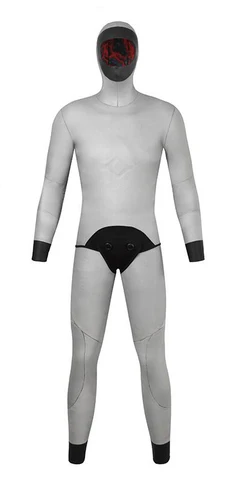
Consequently, for divers making dives in especially cold waters, **ceramic** and **titanium-coated layers** inside wetsuits and dry suits reflect heat, trapping it inside the body and reflecting it back towards the diver. As applied films, these can provide increased warmth without necessarily having thick material, hence giving the diver more flexibility.
Of these, titanium coating is used particularly in **thermal linings** that can be combined with neoprene suits. This also has the added advantage of providing wear resistance, hence a very viable material for divers operating at extreme conditions where both warmth and strength are called upon.
6. Kevlar Reinforcements: Tough as Steel for Rough Terrain
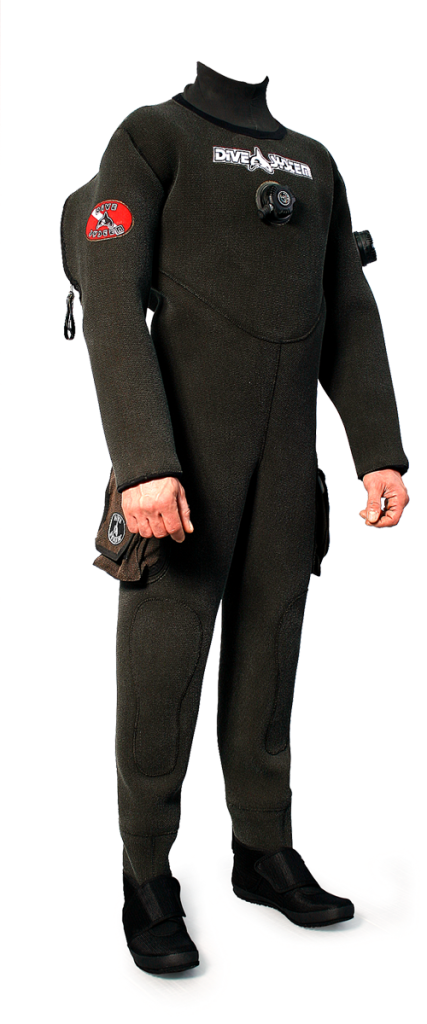
Because Kevlar has a very high tensile strength, it resists cuts and punctures well, which is critical for a diver in tight or rough underwater spaces. In rough diving environments where abrasion may be a factor, such as in wreck or cave diving, common inclusions in diving suits are Kevlar reinforcements. These reinforcements are generally applied to the knees, elbows, and other high-wear areas, thus giving divers extra protection without considerably affecting the flexibility of the suit.
Kevlar has been combined with high-stretch neoprene or trilaminate fabrics by manufacturers so suits can be both robust and flexible, allowing protection for divers without losing range of motion.
7. Breathable Fabrics: Comfort Above and Below the Surface
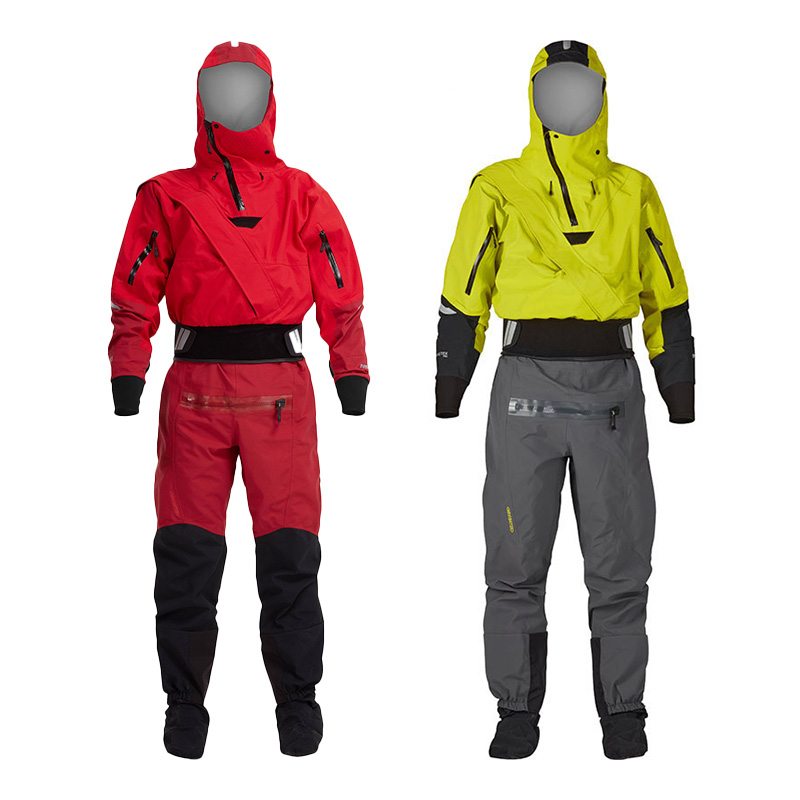
Advanced dry suits now feature **breathable fabrics** such as **GORE-TEX Pro** and **Event**. Moisture in these fabrics gets evacuated from inside the suit while keeping the outside dry. The divers stay dry inside the suit and reduce the build-up of perspiration. This feature is very important during surface intervals and in a warm-water dry-suit dive.
These breathable fabrics are usually treated with a **DWR-Durable Water Repellent coating** that retains water beading off instead of entering the fabric. The results from these combinations are increased diver comfort due to enhanced breathability and resulting water repellence that keeps the diver dry and prevents chill from trapped moisture.
8. Reinforced Zipper Technology: Waterproof and Durable Seals
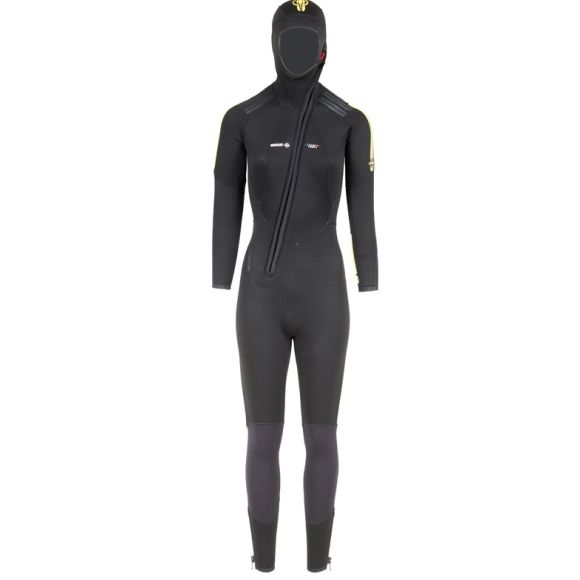
At the heart of dry suits is zipper technology which is critical for a suit to remain waterproof. **Heavy-duty zippers** utilize such materials as YKK Aquaseal or TIZIP and are flexible but resistant to the corrosive effects of saltwater. Manufactured with reinforced teeth, these zippers include rubberized seals as a water barrier that allows a full range of movement.
Advances in zipper-sealing technology have minimized the tendency of leakage, hence providing a more secure and reliable seal that allows divers to dive with confidence even into challenging water conditions.
Future of Materials in Diving Suits
And with the development in material science on the rise, much more incredible developments in diving suit technology are yet to be expected. They also are experimenting with **phase-change materials (PCMs)** that will absorb, store, and release heat when required for better regulation of temperature. Very soon, minor abrasions may repair themselves with **self-healing fabrics**, promoting suit life in rough conditions.
But as divers continue to expand their depth and bottom times, the next generation of high-performance fabrics for diving suits will be crucial in maintaining their warmth, dryness, and safety. The drive for innovation has turned the diving suit into a highly engineered piece of equipment able to protect divers in some of the most inhospitable ocean environments. Innovation in diving gear ranges from new, fancy stuff like titanium-coated linings and graphene-infused fabrics, up to Kevlar-reinforced suits, continuously allowing divers all over the world to have new, exciting experiences underwater.