Antifog Technologies in Scuba Diving Masks: Coatings and Materials to Avoid Fog Formation These are the headaches every scuba and snorkeler has grown to know. In all respects, fogginess spells limited visibility, enjoyment, and even hazards underwater. On the brighter side, this technology is gradually clearing the way toward total fog-free diving. This article deals with the understanding of condensation, coating, and material strategies for antifogging, and some recommendations for practical applications.
The science behind Fogging: Why It Happens Generally speaking, fogging is always about contact: warmed-up air with wet vapor from scuba dive masks meets its cooler lens inside, thus provoking the rise of condensations in your mask. The phenomenon concerns basic thermodynamics: the temperature of the lens fell below that of the dew point of the air inside the mask; water vapor condensed into millions of tiny droplets forming a foggy layer over the lens which blocked visibility.
Adding to this is the condition at sub-sea depths where temperature differs and the body emits heat, especially from breathing. Now, the science of fogging has become a key area of concern in finding a solution.
Antifog Coatings: A Marvel of Today
The most effective antifog treatment is done by coating the lens. An antifog coating modifies the surface characteristics of the lens to prevent the formation of water droplets. The types of antifog coatings are:
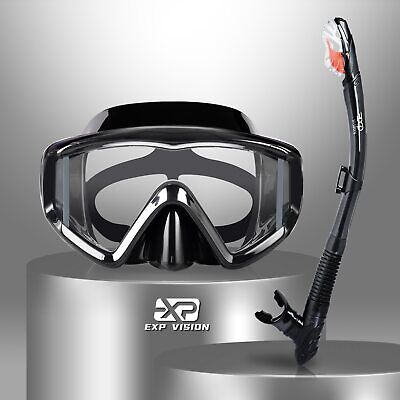
Hydrophilic coatings absorb the moisture and evenly distribute it across the surface of the lens. Instead of droplets, a thin transparent film results in nothing blocking the view. Most hydrophilic anti-fog solutions are water, eco-friendly, and nontoxic; definitely very suitable for diving applications.
Hydrophobic coating: These coatings will, therefore, repel water and, as such, prevent it from clinging to the lens. Such a coating is very effective for a diver who finds himself exposed again to a humid and splashy environment. Most hydrophobic coatings have advanced polymer- or silicone-based materials; this results in long-lasting and efficacious applications.
Both coatings can also either be factory-applied at manufacture or manually added post by the use of sprays, wipes, and gels.
From Coatings to Lens Materials and Design, Moving More and More towards Anti-Fogging in Dive Masks:
Antifogging Treatments Over Tempered Glass
Most Recent Advanced Dive Masks now have Tempered Antifog Treatments. These have advanced features of durability with scratch-free lenses and an extra coating for fog prevention. Most manufacturers also have their patented technique of incorporating antifog directly onto the glass surface itself.
Polycarbonate Lenses with Integrated Antifogging
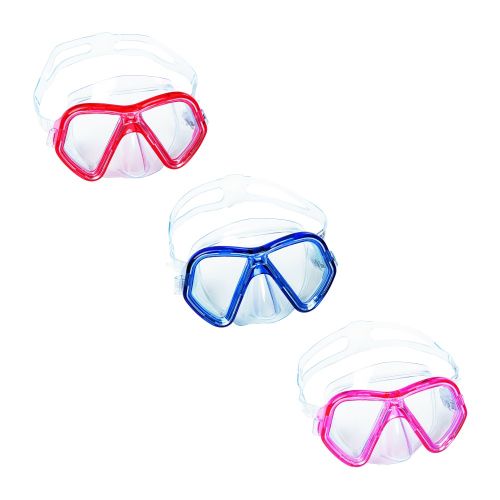
Polycarbonate lenses are light and unbreakable, making them a great option for all divers. The new generation of polycarbonate lenses has antifogging agents integrated at the time of production; this is a permanent solution and less subjected to wear in the years to come.
Dual Lenses and Ventilation Systems
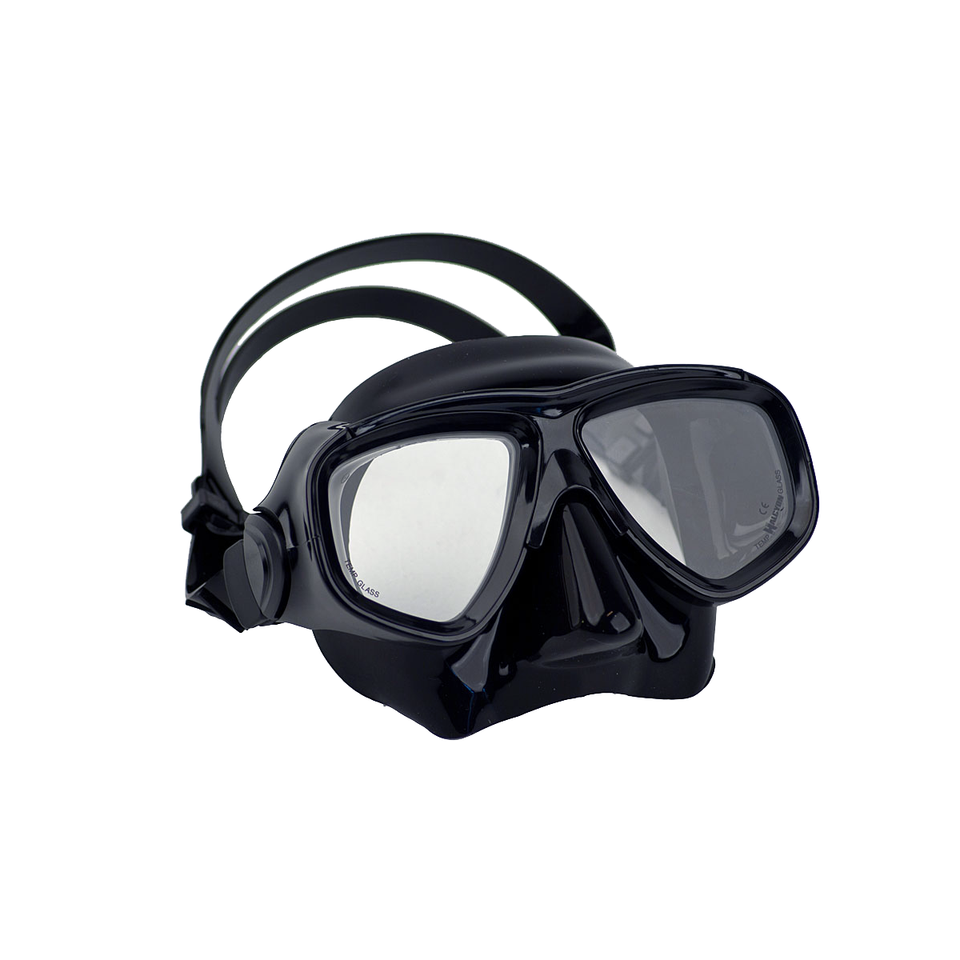
Some are dual lens masks or feature specialized vents to alleviate the differential temperature between water and the lens interface. Thus, condensation can be minimized.
Antifog Maintenance Tips
The maximum benefit from advanced coatings and materials is derived from proper care and usage.
Pre-Diving Preparation
Always rinse your mask with fresh water before diving. Dirt and oils that plug antifog coatings are removed as a necessary mild cleanser to prevent the buildup of residues from being used.
Use De-Fogging Agents
Commercial defogging spray or gels can add to antifog-ish performance: take a scrapping amount, rub it in over the lens then rinse a little before diving.
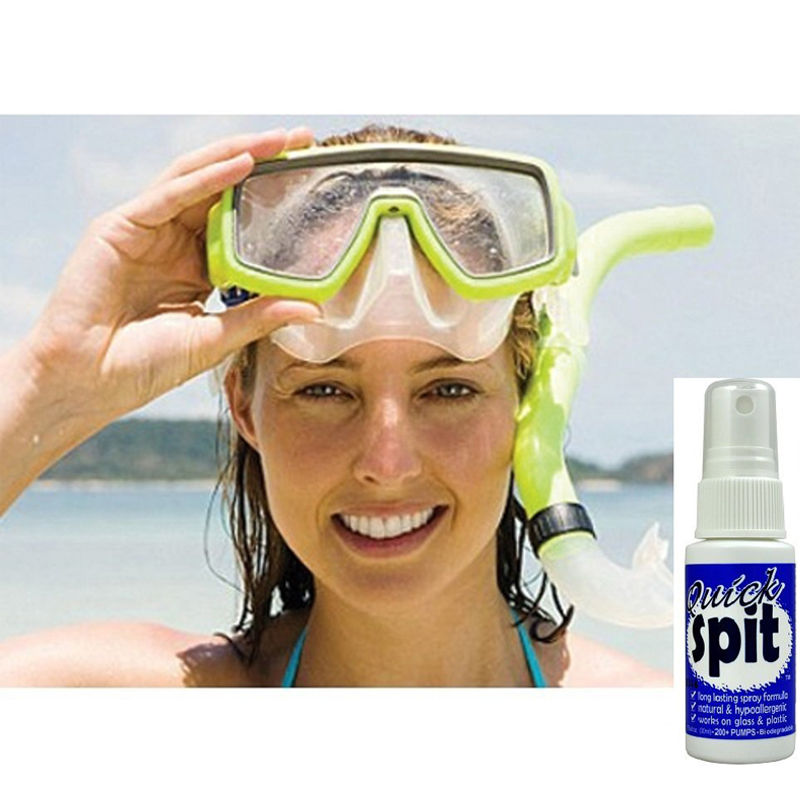
Do not touch the Inner Lens
Antifog coating would be spoiled with a touch of skin oils. Handle with care and clean the mask with soft nonabrasive materials.
Burning the Mask for New Gear
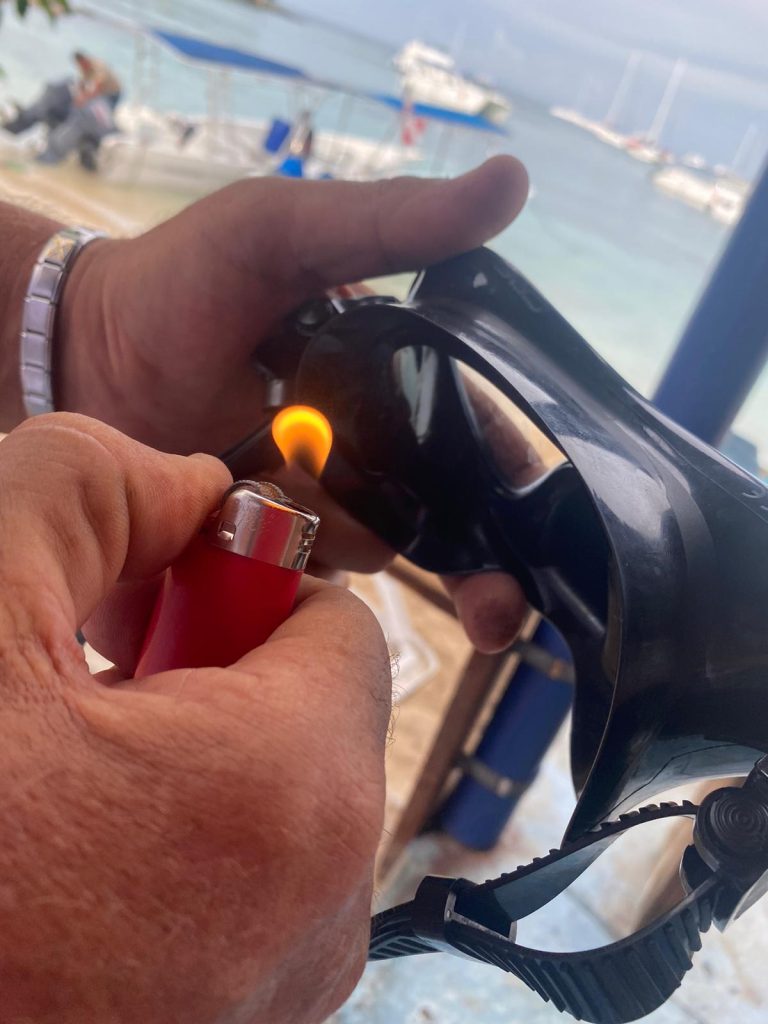
Control flame remove film for new silicone residue, dive masks. Requires caution not to destroy the process for which a mask is intended.
Periodic Maintenance
The mask must be checked from time to time for any scratches or worn coatings. Reapply antifog solution when needed and keep it in the protective case to avoid damage.
Antifog Technology in the Future
The developments in technology continue to open up space for a number of new discoveries within the industry, including nanotechnology-based coatings and self-cleaning lenses. Such are developments expected to finally bring forth an antifog solution that will be more long-lasting and friendlier to the environment and one that will continually enhance the experience of diving.
Fogging dive masks might seem unimportant to bother with, but they sure can try and ruin how “stored” beauty and adventure underwater can actually be. Anti-fog coating, advanced material, and care techniques ensure crystal-clear visibility that will make underwater dives a bit safer. Money invested in antifog technology translates into never having to worry whether or not there is something obstructing your very personal view of all those wonders underwater while you are just starting the sport or seasoned in dives.