Beneath the waves, where coral once thrived and marine life danced in vibrant harmony, a new kind of reef is rising—not born of nature, but built by human hands.
These man-made structures, often dismissed as mere concrete blocks or sunken ships, are quietly transforming damaged seascapes into bustling underwater cities. The real impact of man-made reefs goes far beyond aesthetics or fish counts, as they’re rewriting the story of marine recovery, resilience, and coexistence.
This article dives into how artificial reefs are so beneficial, proving that when designed with care, even the artificial can become authentically life-giving.
The Real Impact of Man-Made Reefs
Without doubt, the real impact of Man-Made reefs is great, because artificial reefs provide various benefits to marine ecosystems, coastal communities, and the environment. Let’s discuss together some specific examples of the benefits of artificial reefs:
- Marine Habitat Restoration.
- Biodiversity Enhancement.
- Fisheries Enhancement.
- Ecotourism and Recreation.
- Coastal Protection.
- Scientific Research and Education.
- Sustainable Resource Management.
- Nutrient Cycling and Water Quality.
- Recycled Materials and Waste Management.
- Coral Restoration and Conservation.
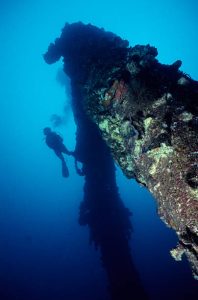
Marine Habitat Restoration:
Example: Deploying artificial reefs where natural ones have been harmed by bleaching, overfishing, or ship damage. These structures serve as new habitats for vibrant marine organisms and help in ecosystem restoration.
Biodiversity Enhancement:
Example: Artificial reefs draw in diverse marine life, for example fish, mollusks, crustaceans, and algae. In areas having poor natural reef habitats, artificial reefs can significantly boost biodiversity and sustain various forms of marine life.
Fisheries Enhancement:
Example: The presence of artificial reefs near fishing zones can boost local fish numbers by adding habitat and shelter for breeding and feeding. This results in an increase in fish stocks and more sustainable fishing opportunities.
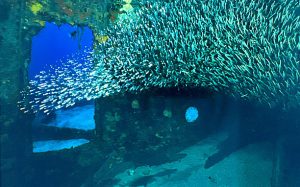
Ecotourism and Recreation:
Example: Submerging a decommissioned ship in order to create an artificial reef, which becomes a popular dive spot, that draws in tourists and recreational scuba divers. This plays a vital role in enhancing the local economy in addition to encouraging conservation efforts.
Coastal Protection:
Example: Building artificial reefs in areas prone to erosion served as submerged breakwaters, which have a big role in reducing wave energy and protecting coastlines from the consequences of storms and erosion.
Scientific Research and Education:
Example: Studying marine life and ecosystem health by using artificial reefs to track species growth, observe interactions between them, and keep an eye on the health of reef ecosystems. This helps teach people and grow ocean knowledge.
Sustainable Resource Management:
Example: Using artificial reefs to encourage the growth of fish populations and give real reefs a break from too much fishing. Artificial reefs give fishers new spots, helping them fish in a way that doesn’t harm the ocean.
Nutrient Cycling and Water Quality:
Example: Artificial reefs ingrain marine life that have a vital role in nutrient cycling, which in turn help in maintaining healthy water quality in coastal areas as well as support other marine ecosystems.
Recycled Materials and Waste Management:
Example: Creating artificial reefs by recycled materials, such as concrete, old ships, or retired military gear, which keeps trash away from landfills and leads to more environmentally responsible practices.
Coral Restoration and Conservation:
Example: Using man-made objects to hold coral pieces and help fix damaged reefs. This boosts coral growth and helps in the conservation of coral species that are in danger.
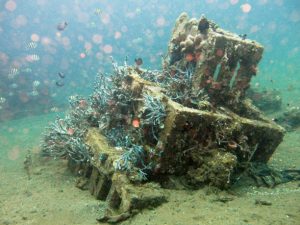
Overall, artificial reefs can offer a set of positive outcomes, including economic benefits, ecological restoration, enhanced fishing opportunities, in addition to increasing knowledge about marine ecosystems.
However, it’s essential to know that artificial reef construction needs careful planning besides environmental factors to consider to guarantee their effectiveness and minimize any negative impacts on the marine ecosystem.