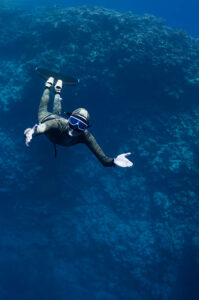
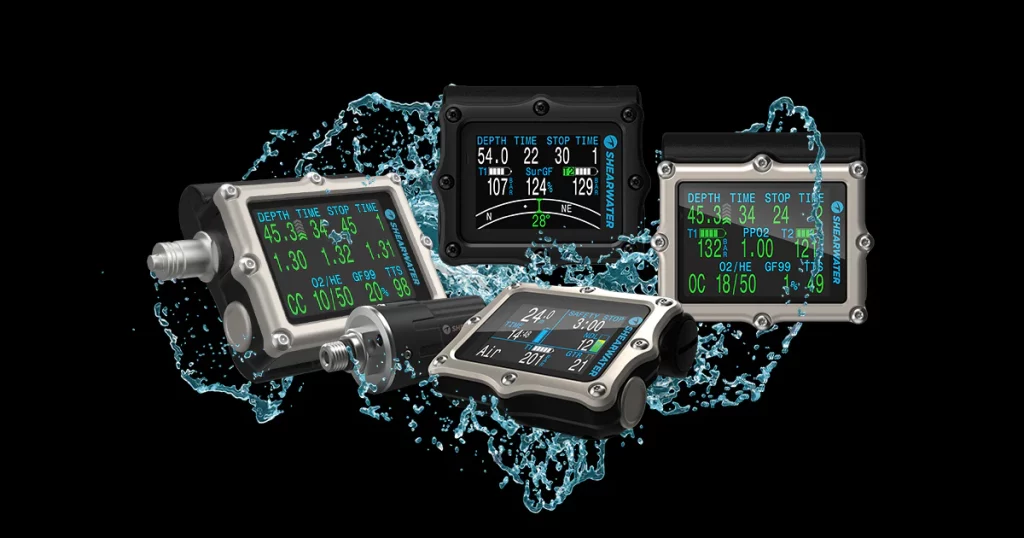
Since their invention, dive electronics have become very essential in underwater explorations because they help improve safety, efficiency, and data collection. Examples of such devices include underwater cameras and drones that utilize dive computers and a reliable power source to help them function in critical conditions. Among the most important problems is how to make these devices sustain pressure resilience and waterproofing yet still provide high performance and durability. This article addresses the engineering marvel of batteries used in dive electronics and new developments regarding this key area.
Power in Dive Electronics
DIVE electronics could serve a range of purposes, from mapping depth and time, navigation, and communication, to environmental data gathering. Where power reliance exists, the system could induce failures to lock in place at opportune critical times – when the stakes are high and failure could mean lives or mission loss.
Battery Design Challenges for Underwater Applications
1. Waterproofing
Underwater electronics have to be totally sealed against water. It will cause a short circuit or corrosion otherwise. Some of the problems involved are as follows:
Pressure-induced leaks: The increased depth results in increased pressure on the seal, and any defect in it is sure to be exploited by this increase.
Connector sealing: Every connection between batteries and devices must have strong waterproof connectors.
2. Resistance to Pressure
These batteries have to withstand unbearable hydrostatic pressure underwater without distorting or getting damaged. Some of the considerations include:
Reinforced casings: Made with materials such as titanium, and high-strength polymers that could withstand compression.
Gas management: The batteries needed shall produce gases during operation which will be trapped at depth.
Types of Batteries Used for Diving Electronic Equipment
1. Lithium-ion Battery
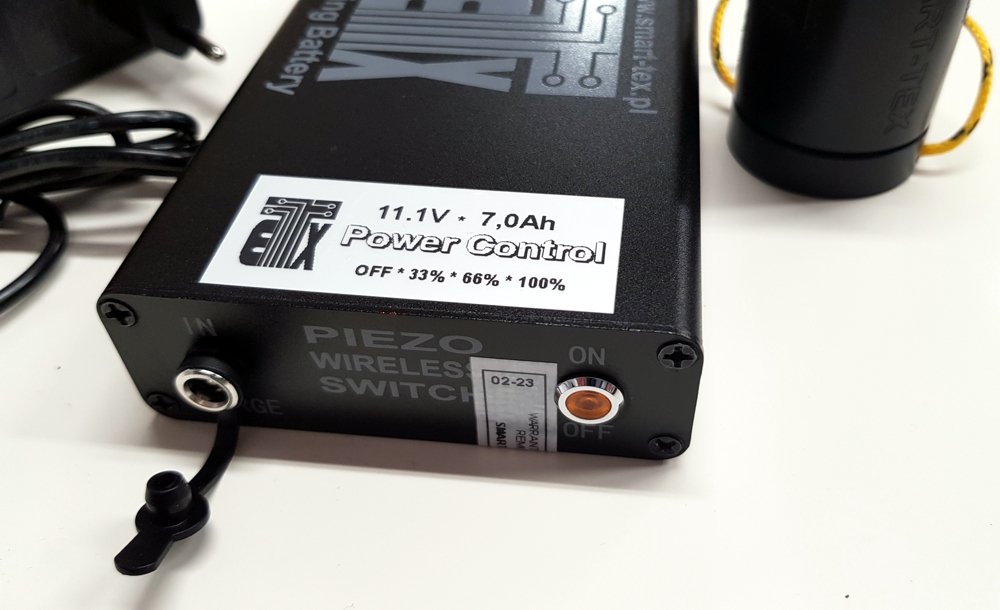
These batteries have been well known for their lightweight and high energy density. Its key features include:
Custom housings: Pressure-proof custom casings for devices.
Operating temperature: Engineered chemistries to face cold water environments.
2. Alkaline Batteries
These are mostly used in lower-powered devices due to their low cost and ready availability but may become less efficient at extreme conditions.
3. Silver Zinc Batteries
These batteries are preferred for military and professional equipment for the following reasons:
High energy density: Perfect for small devices.
Pressure resistant: Many performances are excellent under high pressure.
4. Primary vs. Rechargeable Battery
Primary batteries: These cannot be recharged and are made for disposable applications usually having a longer shelf life.
Rechargeable: cheaper and environment-friendly; however, they need sealing of charging ports for careful waterproofing.
Revolutionizing Battery Technology
1. Solid-State Batteries
Solid-state batteries have opted to solidify rather than liquid electrolytes, which can leak and therefore make these batteries quite safe. They are fast becoming the first choice of application in underwater deployment due to their robust design and temperature tolerance.
2. Inductive Charging
A good example of never-before technology is magnet-based inductive charging, whereby real connectors are no longer needed, increasing waterproofing and reliability.
3. Pressure-tolerant Batteries
Pressure-tolerant designs use materials that can be flexed or compressed and thus be adaptable to changing depths without a loss in performance.
4. Energy Harvesting
New technologies tap energy from the surroundings, such as currents from under the sea or temperature gradients, as a means of extending battery life or augmenting the power supply needs.
Important Features to Open up to Dive Electronics Manufacturers
Testing: Endurance in hyperbaric chambers subjected to extremely high pressures is important for the simulation of phenomenally or likely real-world conditions.
Maintenance: It is necessary to outline precise replacement of battery and waterproof checks.
Eco-friendliness: Use of recyclable materials and low-impact disposal options is in line with environmental considerations.
Multidisciplinary Applications
Recreational Diving: Extending the working period of batteries in dive computers and underwater lights.
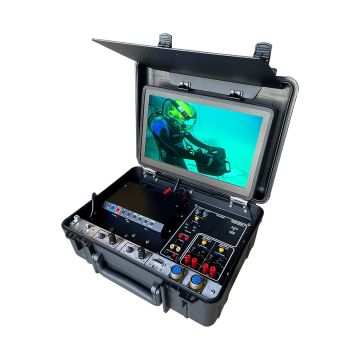
Research and Exploration: Power for long-duration deployments of data loggers, underwater ROVs, and cameras.
Military and Commercial Ops: Critical backup for underwater navigation and communication systems.
All dive electronics owe their impeccable performance under extreme conditions to reliable batteries and power supplies. The improvement of waterproofing and pressure resistance, added to innovative energy solutions, continues to push the boundaries of what the industry can achieve and explore underwater. The more technology progresses, the more dive electronics will, toward greater efficiency, sustainability, and eco-friendliness, to open more possibilities beneath the water.