Decompression sickness (DCS) is considered the worst nightmare for scuba divers. It’s one of the biggest risks of scuba diving. Thousands of scuba divers -at some point in their diving history- have experienced some of the less life threatening symptoms of decompression sickness, for example minor skin tingling and joint pain.
Fortunately, the full blood curdling symptoms are rare, but it is still a constant worry for many divers worldwide. Here is a look at the 5 main tips to avoid decompression sickness and minimize its risks.
How to avoid Decompression Sickness
Decompression sickness which is also known as “the bends” occurs when nitrogen comes out of solution in bubbles and can affect several parts of your body. By following the next tips, you can avoid decompression sickness successfully.
- Plan, plan, plan.
- Avoid alcohol beverages before scuba diving.
- Stay well-hydrated.
- Conduct safety stops and slow ascents.
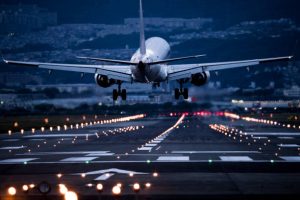
- Avoid flying immediately after diving.

Plan, Plan, Plan
Never ever scuba diver without a good dive plan or a dive computer. The next information us your key to avoid decompression sickness,:
- Knowing the dive site.
- Knowing the depth of the dive site.
- Planning out a time-frame for the entire scuba dive.
- Sticking to a good dive plan.
Plan for your dive conservatively and don’t forget to keep a margen for any changes and aspects that are related to environmental conditions or other factors that hadn’t been considered in your plan, such as water currents.
Avoid Alcohol Beverages Before Scuba Diving
Intuitively, scuba diving isn’t a good idea if you are under the influence of alcohol. Being intoxicated won’t only cloud your judgment in an emergency underwater, alcohol also can dehydrate your body, lower the volume of blood in your circulation and cause rapid heartbeat.
To understand the point, if your blood is saturated with nitrogen, it will be pumped through the body at a faster rate. In turn, the risk of nitrogen turning into the gaseous state (bubbles) will become higher instead of breaking down into a soluble state and escaping from the body safely.
Stay Well-Hydrated
As we mentioned above, dehydration negatively affects the process of nitrogen absorption in the body. So, a well hydrated body can better deal with nitrogen saturation.
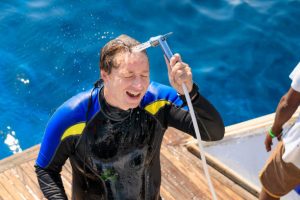
In order to give this matter the necessary importance, you must know that dehydration is the most common cause of Decompression Sickness, as you are in the sun most times when diving and may forget to drink enough water.
Conduct Safety Stops and Slow Ascents
When your dive table or dive computer indicates conducting a safety stop, do it immediately and it’s better to conduct it with slightly longer time to be on the safer side.
When it comes to DCS, a slow ascent rate is considered a crucial step at the end of a dive. A9m/30 ft per minute ascent rate is considered the accepted safe Ascent rate by most dive computers and scuba organizations. If you are diving without a dive computer which isn’t recommended and sure to follow your smallest air bubbles.
Avoid Flying Immediately After Diving
Actually, the dilemma is here because as scuba divers, we always want to make the most of our diving trips. What if you just heard that a manta ray was spotted at a particular dive site near you? Or you really wanted to look at the fascinating electric flame scallop that you have never seen before leaving.
Regardless of the reasons, always keep a gap of 12 hours after your single dive or at least 18 hours after conducting multiple Dives or even 24 hours if it’s possible before flying.
It’s a fact that ascending to an altitude immediately, such as flying after diving causes a high risk of Decompression Sickness.
You must know that having a modern dive computer or following dive tables can’t guarantee 100% that you will not get decompression sickness, but learning how to properly calculate dive time, stay within safe limits of depths and conduct safety slow ascent in every dive in addition to taking the decompression stops in the right way you will have less risks to get bent.
When you plan multiple Dives in a day, conduct the deepest dive first, then shallower ones. Don’t conduct less than a 5-minute safety stop even if you are doing a no decompression dive to ensure your safety. The pro tip is to avoid flying 24 hours after or before diving. Have a good Dive plan and dive safe.