


Boat diving is an exhilarating way to reach super dive sites that are often inaccessible from shore. However, stepping onto a boat for a dive opens up a different set of protocols compared to shore diving. Being aware of these safety guidelines and etiquette will ensure an easy, enjoyable experience for both yourself and your fellow divers.
1. Pre-Trip Preparation
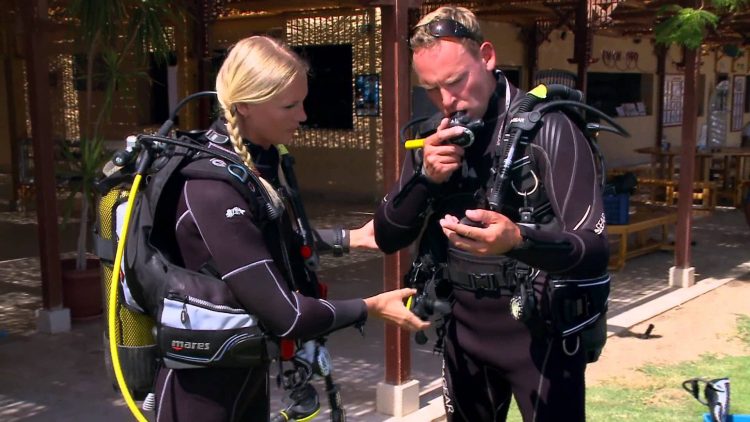
Preparation beforehand is the first step, even before the boat leaves the dock. Some of the most crucial things one should cover include:
- Pre-dive checks: Make sure all your scuba equipment is in good working condition. Check that your tank is full, your regulator is in good working condition, and mask, fins, wetsuit, and other accessories are packed.
Space is often limited on a dive boat. Pack only what you need in a well-organized dive bag. Try not to bring anything that isn’t necessary because clutter can become a safety hazard. - Dive-plan knowledge: Take time to study the sites to be visited during dives and what kind of diving it will be, whether drift diving or wreck diving. Such knowledge will help in preparing your mind and body for depth and conditions.
- Medical clearance: If you have any medical conditions or changes in health, you should consult a physician prior to your dive trip. You will need to inform the dive operator or divemaster of any pertinent medical conditions that may be common.
2. Onboard Etiquette
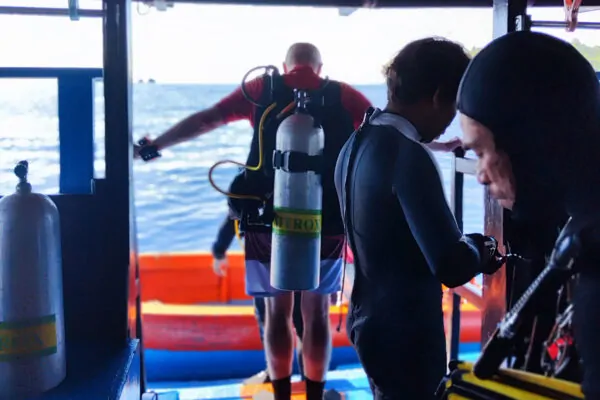
Once you are aboard, courtesy and respect for the rules presented by the boat will foster a respectful and orderly environment:
- Be punctual: Arrive on time for boarding, or earlier. Boats run on tight schedules, and latecomers tend to impact the dive of an entire group.
- Stow your gear properly: Every diver has room for his or her gear. Place your equipment in the allocated spots and keep the dive deck clean. Do not fall into the bad habit of sprawling your equipment on other divers’ space.
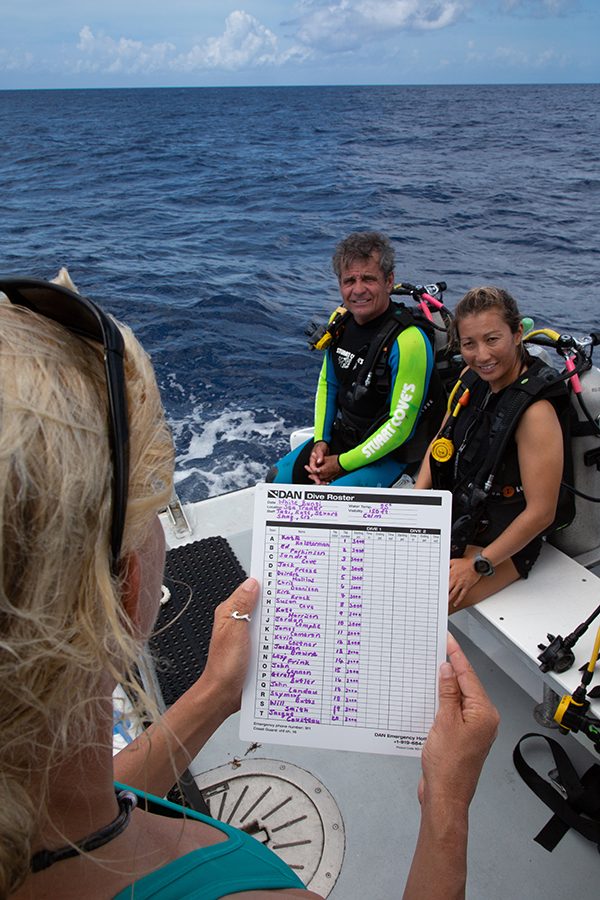
- Listen to the briefing: Before you get into the water, usually the divemaster or captain will provide a safety and dive site briefing. Pay close attention to information about the dive site, hazards associated with the dive site, entry and exit procedures, and emergency procedures.
Respect other people’s space: Boats can be crowded; be considerate of other divers. Allow others space to suit up, move around the deck, and handle their gear.
3. Safety Protocols
The safety of any dive is paramount, and boat diving has also some peculiar risks involved with it. The following basic rules concerning safety should be borne in mind:
- Secure your gear: Movement of the boat can make gears shift around or fall. Secure your tank and other accessories, when there is movement of the boat, to avoid damage or an accident.
- Gear Up Efficiently: On reaching the site, put on your gear without rushing. Ensure proper equipment setup and make a buddy check.
- Entry Techniques: Many different boats require divers to use many different entry techniques such as giant stride or backward roll. Listen to the divemaster for the best and safest entry technique for your dive site and conditions.
- Surface procedures* Immediately after the entry into the water, move away from the place of entry to create room for the next diver. If necessary give an “OK” signal to the boat indicating your condition:.
- Stay close to your buddy: Throughout the dive, maintain eye-on-eye contact with your buddy at all times. If it is a dive site that has currents or low visibility, this becomes of utmost importance. Many times, the boat will track the dive group’s bubbles, but being together assures safety should any emergency arise.
4. Post-Dive Etiquette and Safety
The dive isn’t over because you surface. Observing the proper post-dive protocols is just as critical:
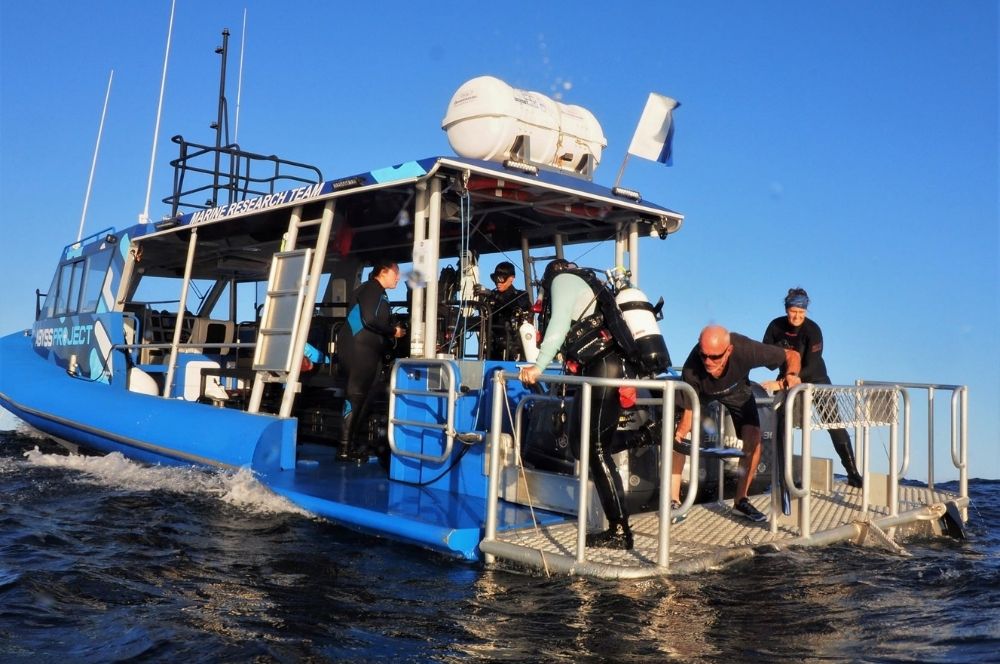
- Boat re-entry: The normal and accepted method of re-entry to the boat is by the ladder. Always, always approach the ladder from the side never from the direct back as this can result in being sucked under the ladder. Take your fins off and pass them to the crew, if so instructed before attempting the ladder. Hold on tight as the boat may pitch and roll with the swell.
- Help others: If you are in the boat already, assist the reboarding people: hold gear, give a steady hand to hold onto, or make some space on the deck.
- Rinse and stow your gear: At the conclusion of the dive, take the time to rinse your equipment in the provided rinse tanks and stow your gear appropriately. Do not hog the rinse tank; there are other divers wanting to do the same thing.
- Hydrate, warm up: Especially important on days when you make several dives. Rehydrate by drinking water, dry off, and warm up. Dehydration and cold are decompression sickness risks.
Log your dive: Immediately after the dive, make an entry in your log book. It’s easy to forget important details if you wait, so make notes while information such as depth and time is fresh in your mind.
5. Environmental Considerations
As scuba divers, we have the responsibility to protect the underwater environment. During boat dives, below are some particular ways to reduce your impact:
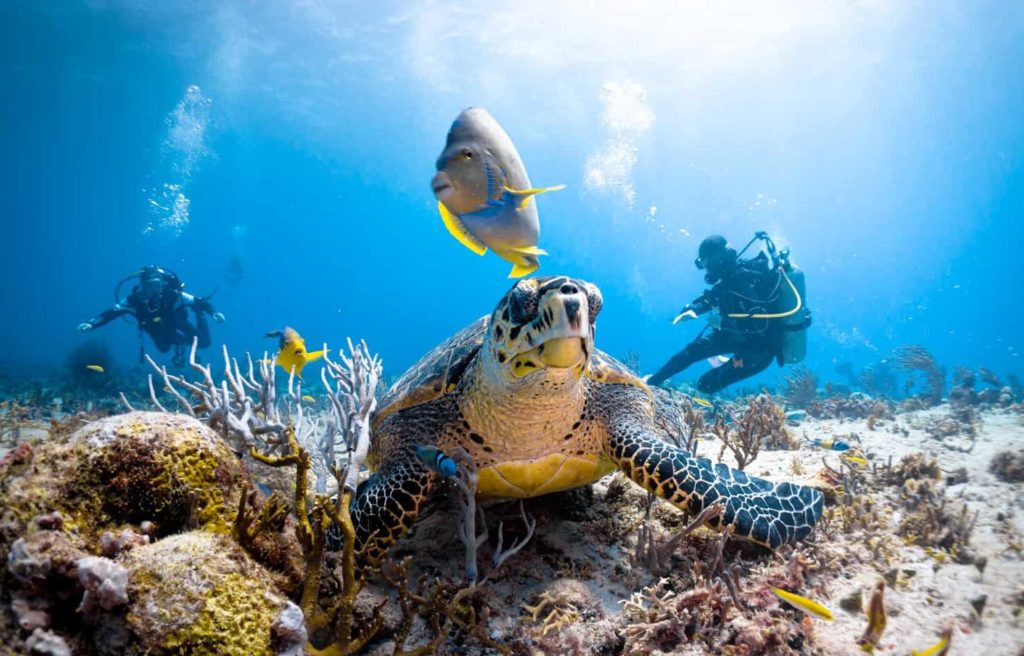
- Respect marine life: Never touch or harass marine life. Stay away from coral reefs in order not to strike the reef with either your fins or equipment.
- Don’t litter: Never throw rubbish or food overboard. Marine debris can cause harm to wildlife and pollute the dive site.
- Secure loose items: Before entering the water, make sure all your equipment is secured. It is so simple for items to fall overboard into the ocean and contribute to marine pollution.
6. Emergency Procedures
It is seldom that emergencies happen in a diving boat, but they happen. Knowing how to behave is crucial:
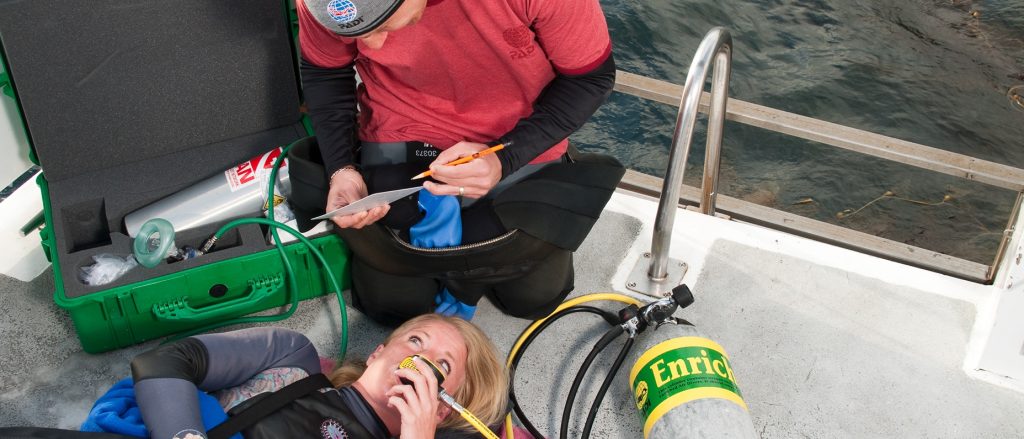
- Distress: Immediately bring any distressed diver in the water or on the boat to the divemaster or crew’s attention. Should a diver surface away from the boat, the crew will initiate either a rescue or pick-up procedure.
- Following Instructions: In the unlikely event of an emergency do what the boat crew tells you to. The crew is properly trained to deal with medical emergencies, missing divers and other crises.
- Safety stop: Always make a safety stop after each dive at the end, usually at 15 feet for 3 minutes, to off-gas properly and minimize chances of getting decompression sickness. If the boat drifts, use the safety line thrown by the boat to maintain your stop.
Boat diving is a great way to reach remote or pristine sites, but it also requires adherence to certain safety protocols and etiquette. Pre-dive preparation, courtesy to your fellow divers, and adherence to safety guidelines will ensure a comfortable and enjoyable dive experience.


