A diver’s backup breathing device, the free flow regulator (sometimes called the ‘octopus’ or ‘alternative air source,’ is used in an emergency when their primary regulator breaks down or runs out of air. In the event of an emergency, divers may safely surface or exchange oxygen with their friends thanks to this lifeline gadget. Although the free flow regulator is an important safety tool, using it correctly requires more than just knowledge; it also requires accuracy, composure, and good communication—skills that are critical for negotiating difficult underwater situations.
Knowing the Free Flow Regulator:
It’s important to comprehend the reasons and possible effects of a free-flow regulator before learning how to handle one. When the regulator’s demand valve malfunctions and allows air from the tank to flow continuously, the regulator becomes a free-flow regulator. A free flow regulator can be caused by a number of things, such as diver mistakes, ambient variables, and equipment faults. Divers must be able to identify the warning indications of a free flow regulator and take appropriate action to reduce any possible dangers, regardless of the source.
Gaining Expertise in Free Flow Regulator Operation:
Open water scuba diving programs equip students with the information and hands-on training they need to manage a variety of underwater situations, including free flow regulators. To become an expert in the free flow regulator skill, follow these crucial steps:
-
Keep Your Cool and Evaluate the Situation: The first thing to do when you come across a free flow regulator is to keep your cool and evaluate the circumstances. Panic can worsen the situation by causing unreasonable decisions to be made. Take a minute to assess the level of freedom flow and choose the best line of action.
-
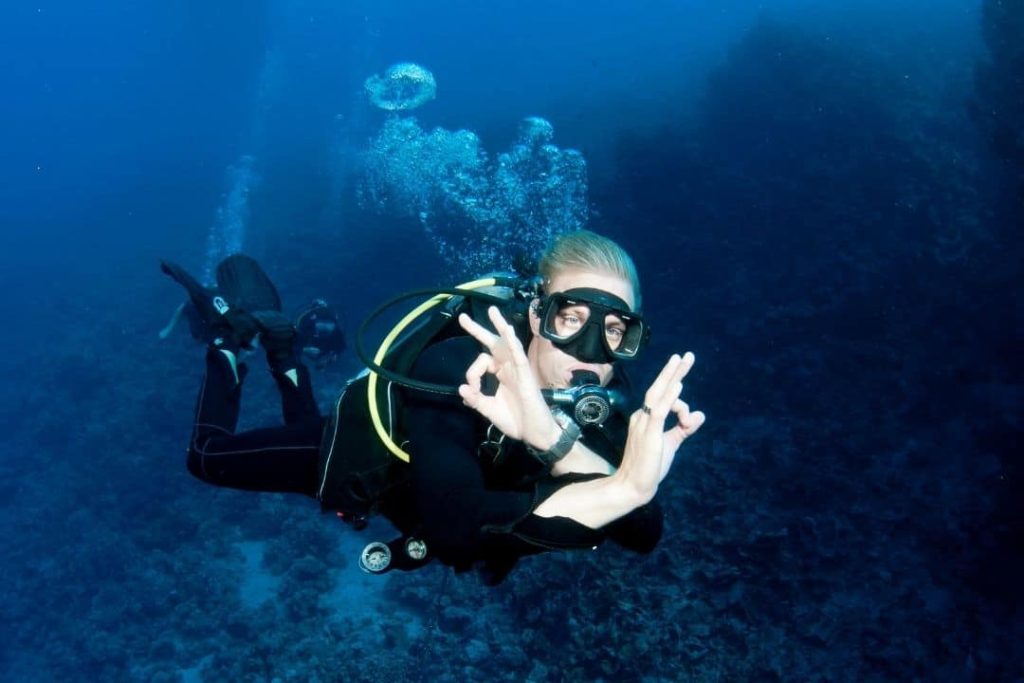
Signal Your Buddy: When scuba diving, communication is essential, particularly in difficult circumstances like a free flow regulator. Inform your diving partner about the issue and let them know you need help by using hand gestures. Your friend can support you and assist you in handling things well.
-
Controlling Your ascend: You may need to restrict your ascend to shallower depths where the pressure is lower, depending on how severe the free flow regulator is. Decompression sickness can occur from ascending too rapidly, therefore it’s important to ascend carefully and keep an eye on your dive computer and depth gauge at all times.
-
Equipment Adjustment: In certain circumstances, making adjustments to your equipment might assist relieve the free flow regulator. If the regulator has a purge button, try gently pressing it. Alternatively, manually adjust the knob or lever to manage the airflow. But exercise caution to avoid taking any quick actions that can make things worse.
-
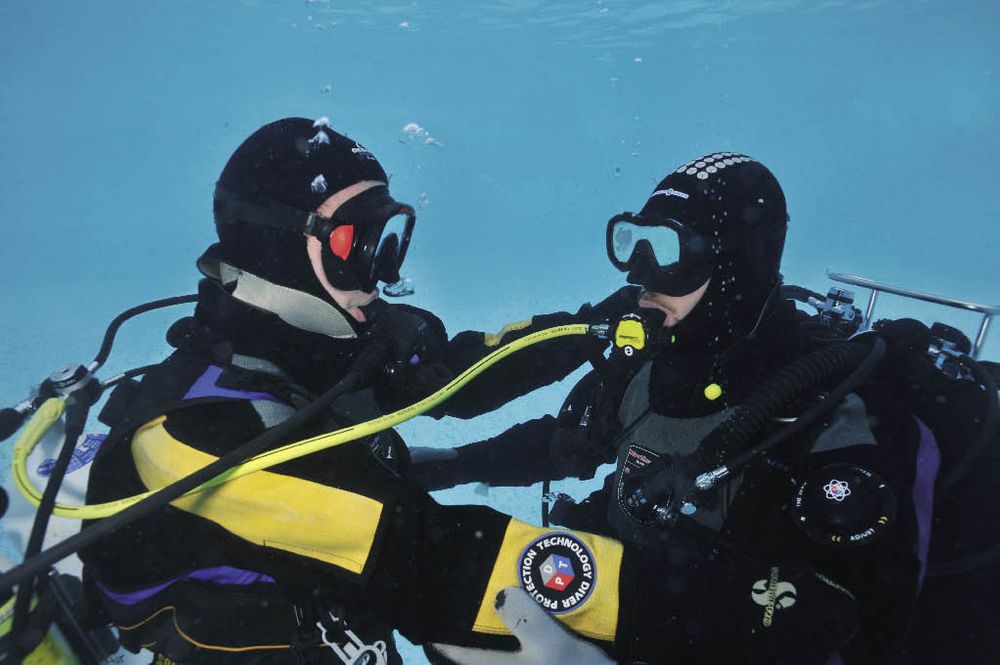
Change to Your Alternate Air Source: The octopus, sometimes referred to as the secondary or alternate air source, is what you may need to do if the free flow regulator continues to cause issues and cannot be fixed. Throughout your scuba diving training, practice routine exercises to become comfortable with the process of changing regulators in an emergency.
-
Safely ascend and, if needed, terminate the dive: In case the free flow regulator does not go away even after you try to fix it, put safety first and think about stopping the dive. Ascend gradually while keeping your buoyancy under control, and keep a careful eye on your air supply. Once you’re above the water, report the occurrence to your dive master or instructor and ask for help if you need it.
Relevance in Emergencies:
In open-water diving, situations can quickly go out of control, therefore being able to control the free flow might be the difference between life and death. Divers may concentrate on carrying out emergency procedures like buoyant ascents or controlled ascents to safety stops when free flow is well managed, which also conserves oxygen supply and minimizes panic.
Being proficient with the free flow regulator ability is essential for maintaining safety, self-assurance, and readiness; it’s not just a box to tick. An important element of teaching this vital ability is through open water training, which provides divers the skills, information, and frame of mind they need to traverse the undersea environment safely and skillfully. The free flow regulator is ready to protect each underwater explorer’s safety and security as they descend into the depths like a quiet sentinel. Happy and safe diving!