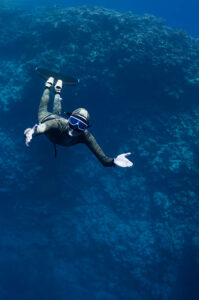
What is Rebreather diving?
Rebreather diving is a revolutionary technique that allows divers to explore the depths of the ocean in a whole new way. Unlike traditional scuba diving, which relies on open-circuit systems that release exhaled air as bubbles, rebreathers recirculate, filter, and reuse the exhaled air, creating a closed-loop system. This technology not only extends dive times but also reduces gas consumption and eliminates the telltale bubbles that can disrupt marine life.
With a rebreather, divers can stay submerged for longer periods, giving them more time to explore underwater wonders. The extended dive times are particularly beneficial when exploring delicate marine ecosystems or engaging with marine life that requires patience and a non-disruptive approach. By minimizing disturbances caused by bubbles, rebreathers offer a quieter and more intimate diving experience.
The benefits of rebreather diving
The benefits of rebreather diving are numerous and have captivated the diving community. One of the most significant advantages is the ability to have longer dive times compared to traditional scuba diving. By recycling and filtering the exhaled air, rebreathers allow divers to stay underwater for extended periods, giving them more time to appreciate the beauty of the underwater world.
Another benefit of rebreather diving is reduced gas consumption. Rebreathers require fewer compressed air cylinders compared to open-circuit scuba diving, making it easier for divers to move with increased agility and freedom. The reduced need for gas cylinders also means less equipment to carry, resulting in a more streamlined and comfortable diving experience.
Furthermore, rebreathers offer a quieter diving experience by eliminating the noise caused by bubbles. This quietness allows divers to get closer to marine life without startling or disturbing them. It provides a unique opportunity to observe marine creatures in their natural environment, witnessing their behavior and interactions without disruptions.
Rebreather diving equipment
To engage in rebreather diving, it’s essential to have the right equipment. Rebreathers consist of several key components that work together to create a closed-loop system. A rebreather typically includes a breathing loop, a carbon dioxide scrubber, oxygen sensors, and a control unit.
The breathing loop is responsible for recirculating the exhaled air, filtering out carbon dioxide, and adding oxygen to maintain the appropriate gas mixture. The carbon dioxide scrubber removes carbon dioxide from the exhaled air, ensuring that the rebreather delivers a breathable gas mixture. Oxygen sensors monitor the oxygen levels in the loop, providing crucial information to the control unit. The control unit regulates the rebreather’s functions, ensuring the correct gas mixture and monitoring various parameters to maintain diver safety.
Regular maintenance and testing of rebreather equipment are vital to ensure its proper functioning and reduce the risk of malfunctions while diving. It is recommended to follow manufacturer guidelines and seek professional assistance for servicing and equipment checks. Additionally, divers should regularly inspect their rebreathers for any signs of wear or damage and address any issues promptly.
Rebreather diving safety precautions
While rebreather diving offers incredible benefits, it’s essential to prioritize safety. Diving with a rebreather requires a thorough understanding of its operation and maintenance procedures. Before attempting rebreather diving, divers should undergo proper training and certification from reputable diving organizations that offer rebreather-specific courses.
During the training process, divers learn about the potential risks associated with rebreather diving and how to mitigate them. They gain knowledge on how to monitor the rebreather’s functions, interpret readings from oxygen sensors, and respond to different scenarios that may arise while underwater. Understanding the limitations and risks of rebreather diving is crucial for ensuring a safe and enjoyable experience.
In addition to training, divers should adhere to several safety precautions while rebreather diving. This includes conducting pre-dive checks to ensure the equipment is functioning correctly, monitoring oxygen levels and other critical parameters throughout the dive, and having a bailout plan in case of equipment failure or emergencies. Divers should also always dive with a buddy, maintain proper buoyancy control, and communicate effectively underwater.
Rebreather diving certification and training
Obtaining proper certification and training is essential for anyone interested in rebreather diving. Reputable diving organizations offer rebreather-specific courses that provide comprehensive training on rebreather operation, maintenance, and safety procedures.
These courses typically consist of theoretical learning modules, practical hands-on training, and supervised dives to ensure divers gain the necessary knowledge and skills. The training covers topics such as rebreather assembly and disassembly, gas management, emergency procedures, and troubleshooting common issues that may arise underwater.
Certification courses also emphasize the importance of ongoing education and staying up-to-date with advancements in rebreather technology and safety practices. Continuing education helps divers maintain their proficiency and ensures they are well-prepared to handle various diving conditions and situations.
Rebreather diving best practices
To make the most of the rebreather diving experience, it’s important to follow best practices. These practices include conducting pre-dive checks, maintaining proper buoyancy control, and closely monitoring the rebreather’s functions throughout the dive.
Before each dive, divers should conduct a thorough pre-dive check to ensure all equipment is functioning properly. This includes checking the oxygen sensors, verifying the integrity of the breathing loop, and inspecting other components for any signs of wear or damage. Following the manufacturer’s guidelines and using checklists can help ensure that no crucial steps are overlooked.
Maintaining proper buoyancy control is essential for rebreather diving. It not only allows divers to navigate underwater more efficiently but also helps conserve energy and reduce the risk of damaging delicate marine ecosystems. Divers should practice buoyancy control techniques and be mindful of their body position and movements while diving.
Throughout the dive, monitoring the rebreather’s functions is crucial for diver safety. This includes regularly checking oxygen levels, verifying the correct functioning of the rebreather’s components, and being aware of any alarms or warnings that may indicate potential issues. Divers should be prepared to respond to these warnings appropriately and follow the necessary emergency procedures.
Rebreather diving tips and tricks
For divers looking to enhance their rebreather diving skills and make the most of their underwater adventures, here are some tips and tricks to consider:
-
Practice proper buoyancy control: Mastering buoyancy control is crucial for rebreather diving. It allows divers to move effortlessly underwater, conserve energy, and minimize their impact on the environment. Regular practice and training can help improve buoyancy control skills.
-
Maintain good trim: Maintaining a streamlined body position, known as good trim, is essential for rebreather diving. It helps reduce drag and improves maneuverability underwater. Divers should practice maintaining good trim and be mindful of their body position while diving.
-
Carry backup equipment: While rebreathers are designed to be reliable, it’s always a good idea to have backup equipment on hand. This includes spare parts, extra batteries, and bailout systems in case of equipment failure or emergencies.
-
Dive within your limits: As with any form of diving, it’s important to dive within your limits and comfort level. Gradually increase your dive depths and complexity as you gain experience and confidence in rebreather diving.
-
Stay up-to-date with training: Rebreather technology and safety practices are constantly evolving. It’s important to stay up-to-date with the latest advancements and undergo regular training to ensure you have the necessary knowledge and skills for safe diving.
Rebreather diving vs. traditional scuba diving
While both rebreather diving and traditional scuba diving allow divers to explore the underwater world, there are significant differences between the two techniques.
One of the main differences is in dive durations. Rebreather diving offers significantly longer dive times compared to traditional scuba diving. By recycling and filtering exhaled air, rebreathers allow for extended periods underwater, providing divers with more time to immerse themselves in the underwater environment.
Gas consumption is another notable difference. Rebreathers require less gas compared to traditional scuba diving, as they recycle and reuse exhaled air. This reduced gas consumption not only allows for longer dives but also makes it easier for divers to move with increased agility and freedom.
Rebreather diving also offers a quieter and more intimate diving experience compared to traditional scuba diving. With no bubbles being released, divers can get closer to marine life without startling or disturbing them. This allows for a more immersive and undisturbed interaction with underwater creatures.
However, it’s important to note that rebreather diving requires specialized training and certification, as well as additional maintenance and equipment considerations. Traditional scuba diving, on the other hand, is more accessible to beginners and requires less technical knowledge and equipment.
Rebreather diving is a game-changer in the world of underwater exploration. The benefits of extended dive times, reduced gas consumption, and quieter dives make it an attractive choice for divers who want to maximize their underwater experiences. By following best practices, prioritizing safety, and exploring popular rebreather diving destinations, divers can embark on incredible underwater adventures while minimizing risks and ensuring their safety.
So why settle for ordinary scuba diving when you can breathe easily and dive deeper with rebreather diving? Experience the magic of extended dive times, quieter dives, and a closer connection to marine life. Step into a new realm of possibilities and explore the underwater world in a whole new way. The underwater wonders await your discovery.