Pregnancy is considered a wonderful journey filled with transformation. Staying active (without doubt) is crucial for both maternal health and the baby’s development. Water activities like swimming and snorkeling offer a low-impact, enjoyable way to maintain fitness during this special time. In this article, we will discuss together all about water activities during pregnancy.
Water Activities During Pregnancy
Expecting a baby doesn’t mean you can enjoy water activities safely. In fact, activities like swimming, snorkeling, and water aerobics can offer significant health benefits during pregnancy.
Water activities during pregnancy can help support lung and heart health, reduce muscle pain and swelling, and also help you stay cool. However, there are some precautions that should be taken to stay safe. the water activities we will discuss include:
- swimming.
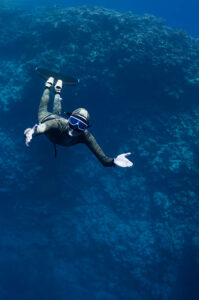
- Snorkeling.
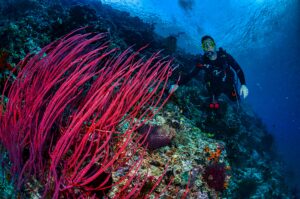
- Scuba diving.
Swimming During Pregnancy
Swimming during pregnancy can be a great way to exercise, especially in the first two trimesters, but It is considered somewhat riskier in the third phase due to decreased energy and skill levels.
Floating on the water and observing the fish can greatly reduce stress. Just make sure to consult your doctor and be aware of any potential risks. The benefits of swimming during pregnancy, include:
- Supports lung and heart health.
- Averts excess weight gain and gestational diabetes.
- Eases muscle pain and swelling.
- Maintains coolness.
Snorkeling During Pregnancy
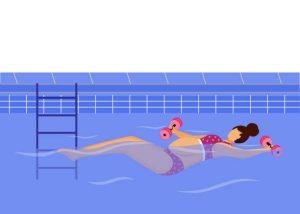
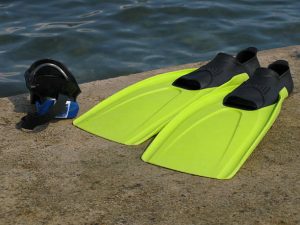
Snorkeling is considered one of the suggested water activities during pregnancy. It isn’t usually considered vigorous exercise, but moms should consider their fitness level, whether you’ll use an inflatable vest and fins, as well as your location. Water aerobics are safe during pregnancy even if they aren’t used to much exercise.
Although the cool water can lower your skin temperature, it’s easy to misjudge your overall body temperature while swimming. Frequently drinking water helps regulate body heat and prevents overheating.
Sustaining a body temperature of 38.9°C for over 10 minutes can cause neural tube defects, miscarriage in the first three months, and dehydration later.
Avoid overexertion, especially in the first and third trimesters when fatigue is highest. You can’t rest in the middle of the ocean! So, it is important to stay near the shore and exit the water if you feel any discomfort.
Considerations When Snorkeling During Pregnancy
Consider these points when snorkeling during pregnancy:
- Avoid snorkeling during pregnancy if you have a history of high blood pressure, premature labor, and anemia.
- Avoid overheating to prevent birth defects from prolonged high temperatures. Ensure taking regular breaks and staying hydrated.
- Heed snorkeler warnings like avoiding sea urchin spines and watching out for jellyfish.
- Enter and exit the water cautiously to avoid cuts from reef outcrops, which can cause infection.
- Wear a swimming costume to shield your stomach from unpleasant contact with sea creatures.
- Study the currents of your chosen snorkeling location, as calm waters can unexpectedly become turbulent.
- In case of snorkeling outside a protected area, use a dive flag to make yourself visible to boaters when floating.
- Always snorkel with a buddy to ensure someone is always nearby.
Scuba Diving During Pregnancy
Should I dive during pregnancy? It’s best to avoid scuba diving during pregnancy due to risks like decompression sickness. Open Water Course guidelines advise to avoid scuba diving during pregnancy.
Possible Diving Risks for Pregnant Women
Breath-holding is not recommended during pregnancy because your baby requires a steady oxygen supply. Compelling evidence indicates that even during normal exercises, breath-holding should be avoided.
Rapid surfacing can lead to decompression illness, causing nitrogen bubbles to expand and distress the baby. Repeated decompressions may result in the baby’s death.
If you still choose to dive during pregnancy, limit your depth to 60 feet, with half that time recommended by Navy dive tables. However, it’s important to note that the effects of diving on the fetus are not understood.
Scuba diving should be at the top of your list of dos and don’ts whether you are pregnant or trying to conceive. Always consult your doctor before practicing any activity supposed to interfere with pregnancy.