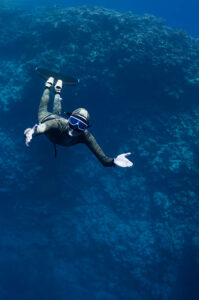
Exploring the world under the surface of our seas is made possible by scuba diving, which is an enthralling and captivating experience. It is a trip that requires expertise, knowledge, and preparation for aficionados as they dive into this underwater universe. Weight removal underwater is a critical skill that may make the difference between safety and danger in an emergency. It is one of the foundational abilities taught in open-water scuba diving training.
Expanding Our Knowledge: The Reason for Removing Weight
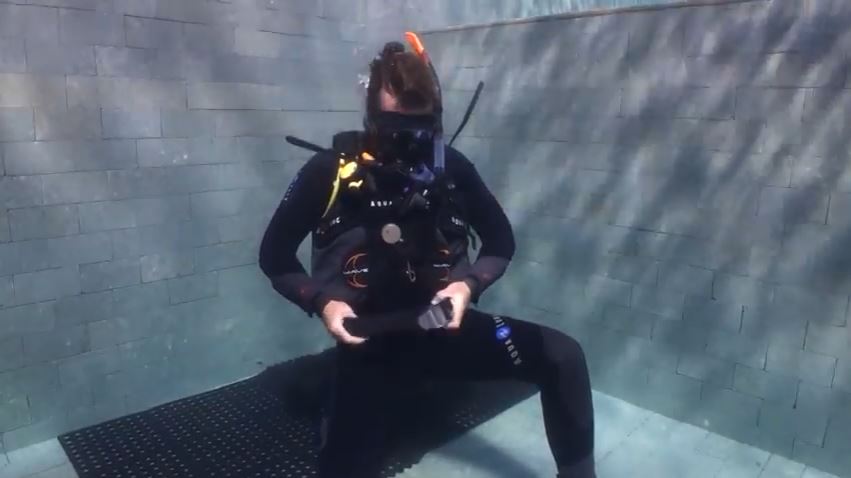
Taking weights out underwater may seem like a strange idea at first. Consider that neutral buoyancy and appropriate depth control when underwater are only possible with the use of weights. All divers, however, need to have the essential skill of being able to remove these weights when needed.
Giving divers the tools they need to handle emergency circumstances is the main goal of weight reduction underwater. It may be necessary for divers to surface quickly in situations like running out of air or experiencing equipment failure. Reducing extra weight makes it easier to ascend steadily and lowers the chance of decompression sickness and other risks related to sudden pressure changes.
Establishing Bases: Acquiring the Method
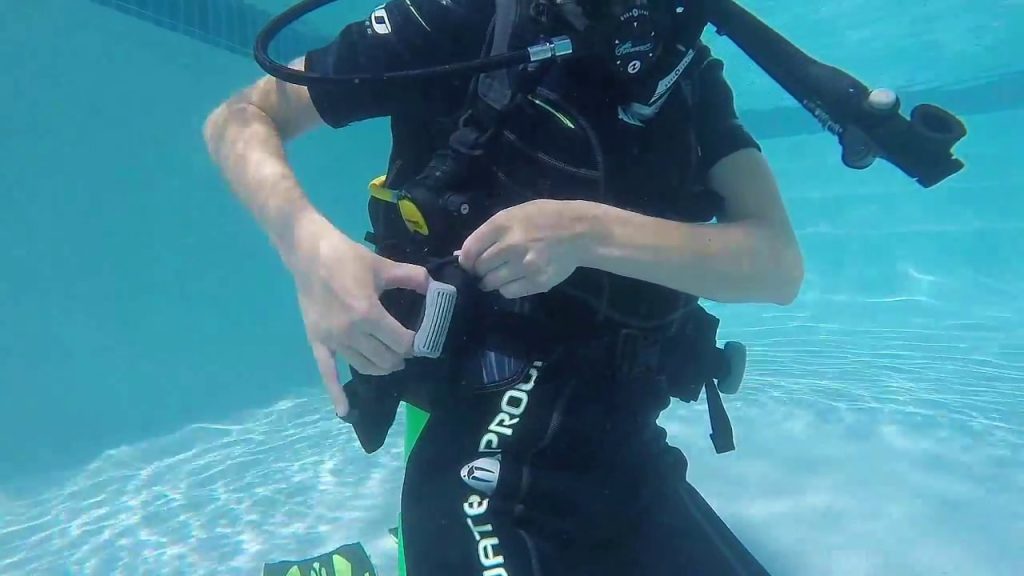
An organized training program in open-water scuba diving courses is used to meticulously perfect the technique of weight removal underwater. Typically, these courses use a methodical approach, walking students through a set of procedures to guarantee competence and security.
-
Theory and teaching: Prior to putting on scuba gear and entering the water, pupils are given in-depth theoretical teaching on buoyancy, weight distribution, and weight removal mechanics. The foundation for practical application in real-world situations is laid by comprehending these ideas.
-
Practical Training: Equipped with their newfound knowledge, students go on to hands-on training sessions held in regulated aquatic environments. They practice putting on and adjusting their integrated weight systems or weight belts under the supervision of professional instructors, getting acquainted with the equipment that will eventually be removed underwater.
-
Simulated Scenarios: Training moves on to simulated diving scenarios as pupils develop competence and confidence. By simulating typical emergency scenarios, these exercises give students a safe environment in which to practice their abilities. Repetition and encouragement help the weight removal method become automatic.
-
Supervised Dives: Supervised dives in natural aquatic environments are the last requirement for open-water scuba diving training. Under the close supervision of knowledgeable teachers, students apply what they have learned in this setting. Under real-world circumstances, they practice weight removal underwater, gaining invaluable expertise and bolstering their confidence to respond appropriately in an emergency.
The Weight Removal Procedure
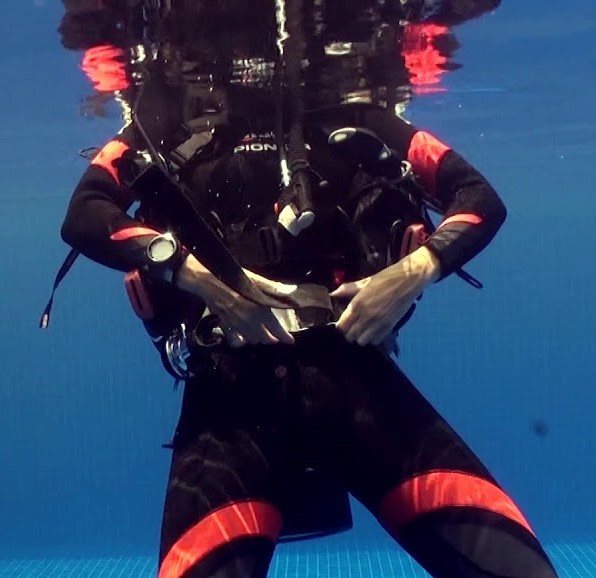
Underwater weight reduction is accomplished by a methodical technique that is intended to guarantee both effectiveness and safety. The basic stages stay the same, even if particular procedures may differ based on personal tastes and equipment setups.
-
Assessment and Communication: Prior to beginning weight removal, divers evaluate their environment and let their instructor or dive partner know what they want to do. Coordination of operations and situational awareness depend on clear and succinct communication.
-
Preparation: After establishing contact, divers take a stable attitude, controlling their buoyancy and holding onto their buoyancy control device (BCD) inflator hose or any appropriate item with a firm grasp.
-
Release: Divers let go of their integrated weight pockets or weight belts with a slow, deliberate move, allowing them to fall away from their bodies. Weights must be released carefully, one at a time, keeping your balance throughout.
-
Buoyancy Adjustment: After removing their weight, divers use their BCD to modify their buoyancy. They can add air as necessary to get either positive or neutral buoyancy. This modification reduces the possibility of barotrauma and other damage while ensuring a regulated rise to the surface.
-
Ascent Protocol: After stabilizing their buoyancy, divers begin a gradual and methodical ascent to the surface. They must maintain correct breathing methods and continually exhale to avoid causing their lungs to overswell. As an extra measure, they could execute a safety stop, depending on the dive’s depth and length.
-
Surface Protocol: When divers get to the surface, they follow the established protocols, signaling for help when needed and making sure they leave the water safely.
Getting the Hang of It: The Value of Expertise
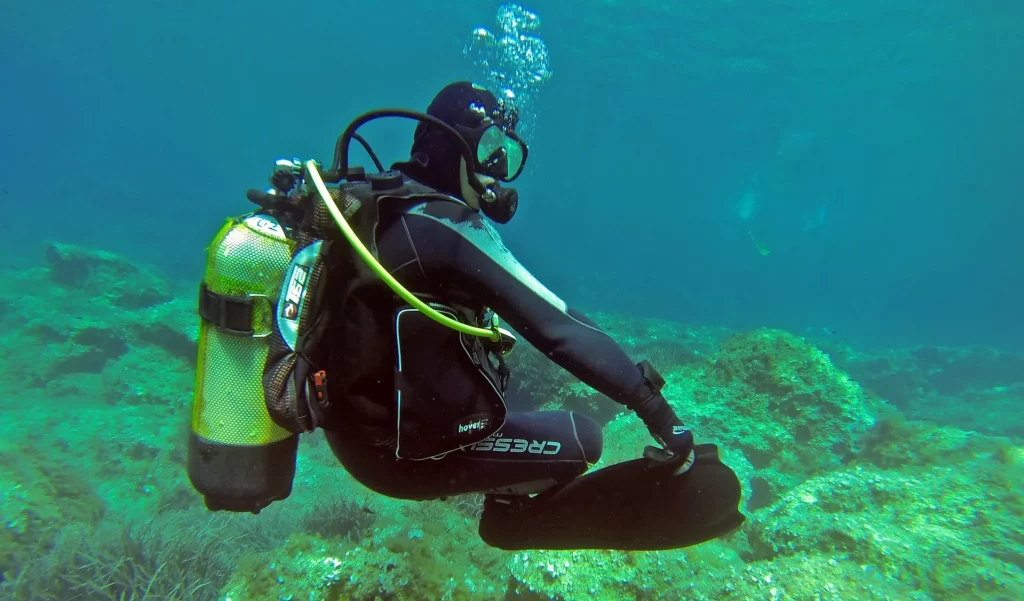
Being able to remove weight underwater is not only a technical ability; it is essential to diver safety and readiness. Gaining proficiency in this method enables divers to manage emergency circumstances with poise and confidence, reducing hazards and guaranteeing a safe surface exit.
Weight reduction underwater not only improves overall diving proficiency and awareness but also promotes a better grasp of buoyancy management and hydrodynamics. Divers may explore the wonders of the underwater world with more security and confidence once they have mastered this basic skill.
Removing weights underwater is more than just a procedural activity in the world of open-water scuba diving; it is a demonstration of the commitment, self-control, and fortitude of divers. With disciplined instruction, thoughtful practice, and a resolute dedication to safety, enthusiasts set out on a voyage of exploration, respectfully and confidently exploring the secrets of the deep.
Along with the weight of their gear, divers also bear the weight of their accountability to the delicate ecosystems they are exploring, as well as to themselves and their fellow explorers. By becoming proficient in the technique of removing weight underwater, divers take on this duty and represent the spirit of discovery, care, and respect for the underwater environment that draws them closer. Happy and safe diving!