Imagine yourself plunging into the immense unknown as you are surrounded by the deep blue when all of a sudden, calamity strikes. You experience panic, your heart races, and your survival instincts take over. During these crucial times, an efficient emergency first reaction (EFR) may be the difference between life and death. In these gripping case studies, we explore actual diving occurrences where EFR training turned what could have been tragedies into tales of survival and courage. These tales commemorate the extraordinary bravery and talent that transform regular people into underwater lifesaving heroes while simultaneously emphasizing the value of being prepared.
Case Study1: An Early Intervention Preserves a Life
Place: Australia’s Great Barrier Reef
Event: Cardiac Arrest
A diver in his mid-50s suddenly surfaced and passed out while participating in a recreational dive on the Great Barrier Reef. The dive guide was an experienced professional with EFR training, and he quickly recognized the signs of cardiac arrest and took action. He started CPR and gave another diver instructions to get the AED from the dive boat using his EFR abilities.
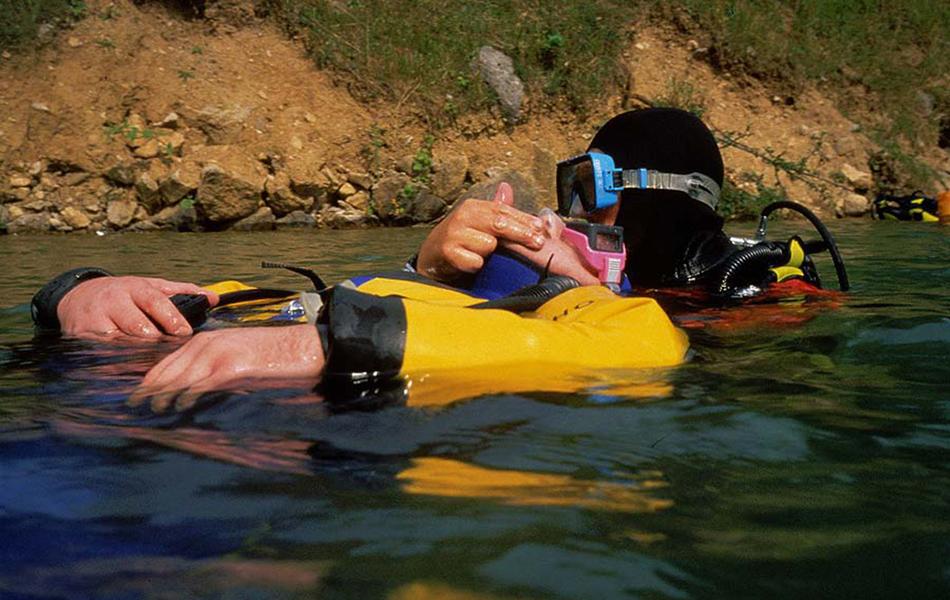
The diver’s heartbeat was effectively restored when the AED arrived because the guide followed the device’s instructions and shocked the patient. After contacting emergency services, the diver was taken to the closest hospital and given further care. The diver’s life was saved, the attending physicians verified, mostly through the quick application of the AED and CPR. The potential for EFR training to save lives is highlighted by this occurrence, especially in isolated areas where access to emergency medical assistance may be delayed.
Case Study 2: Handling Sickness During Decompression
Place: Egypt’s Red Sea
Event: Sickness from Decompression (DCS)
During a deep dive in the Red Sea, one diver in the group emerged too soon, suffering from the excruciating symptoms of decompression sickness (DCS). The EFR-trained dive leader evaluated the situation quickly and administered the required first aid. She made sure the diver was calm and hydrated in addition to administering oxygen, a critical step in controlling DCS.
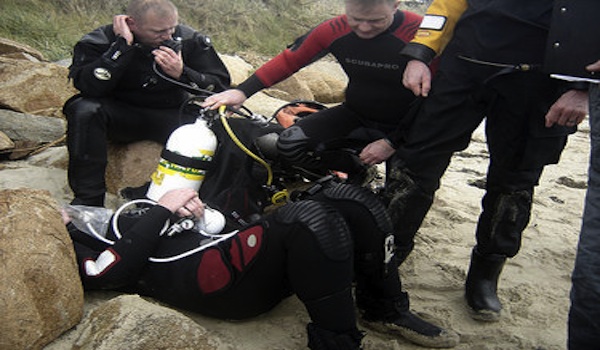
The dive leader worked with the local emergency services to set up an evacuation to a hyperbaric chamber while the diver was being stabilized. The dive leader with EFR training promptly administered first aid, which lessened the severity of DCS symptoms and sped up the healing process. This example demonstrates how EFR training helps divers to properly manage complicated dive-related injuries, minimizing long-term health effects.
Case Study 3: Managing Marine Life Injuries in
Place: The Maldives
Event: Jellyfish Sting incident
A diver was stung many times by a bunch of jellyfish while investigating the colorful reefs of the Maldives. The diver started having significant allergic response symptoms, such as excruciating pain and trouble breathing. A dive partner with EFR training realized the seriousness of the issue right away and acted quickly.

In order to combat the allergic response, the friend gave an epinephrine auto-injector and put vinegar to the stings to neutralize the toxins. He also kept an eye on the diver’s vital signs as he waited for emergency medical assistance to arrive. The diver’s discomfort was greatly reduced and more issues were avoided thanks to the quick and informed reaction. This situation highlights the value of EFR training in the management of damage to marine life, guaranteeing divers the extra safety they need to enjoy their underwater experiences.
Case Study 4: Dive Boat Choking Incident
Place: Caribbean Sea;
Event: Choking
During lunch, one of the divers on the boat choked on some food after a good dive in the Caribbean Sea. Panic sprang out when the person became unconscious. Thankfully, one of the divers was composed under duress having just finished EFR training.
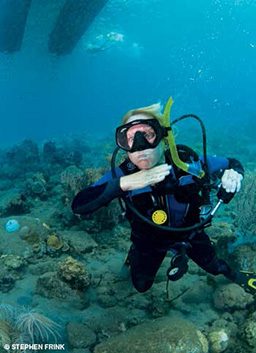
In a matter of seconds, he removed the impediment using the Heimlich technique, restoring the diver’s ability to breathe. Not only did the prompt intervention save the diver’s life, but it also demonstrated how flexible EFR training is, covering a variety of emergency situations outside of diving-related ones.
The significant influence that EFR training may have in diving crises is demonstrated by these case studies. Life-saving abilities include the ability to treat injuries to marine life, offer first aid for decompression sickness, operate an AED, conduct CPR, and respond to choking situations.
EFR training emphasizes the course’s significance as a crucial component of dive safety education by giving divers the assurance and proficiency to manage crises effectively. EFR training is an essential investment for every diver, professional or recreational since it improves safety and preparation and eventually benefits the diving community as a whole. Happy and safe diving!