Choosing a dive tank wisely is crucial, regardless of diving experience level—whether you are an experienced diver with hundreds of dives under your belt or a beginner taking their first step. We are here to guide you very well on your way to pick your proper tank for a joyful and safe dive.
Scuba Tanks Made of Steel
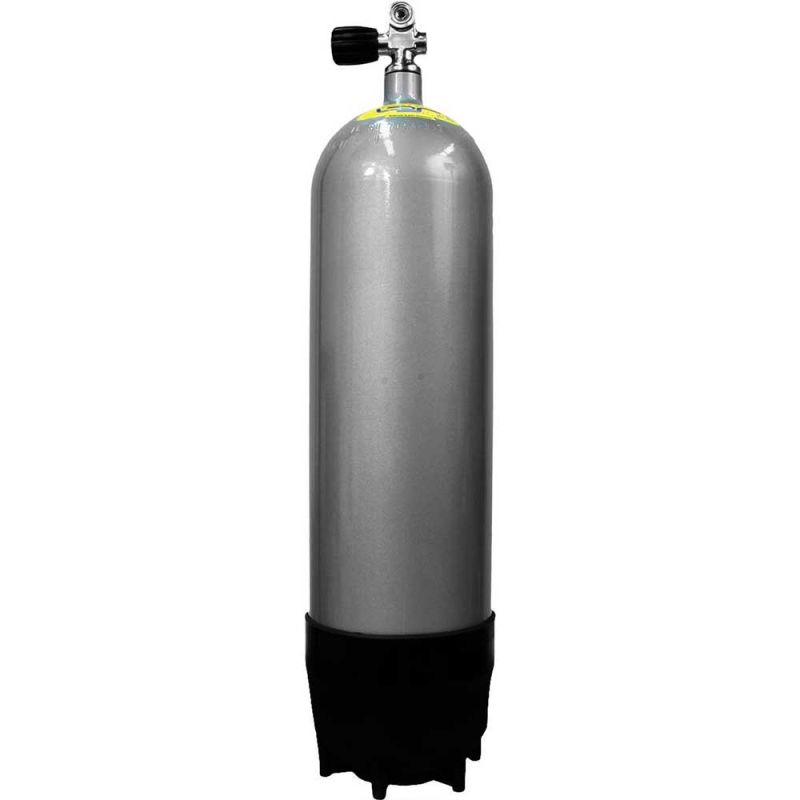
Advantages
Stickiness and Sturdiness:
The durability of steel diving tanks is well-known. Unlike aluminum tanks, they are less likely to be damaged by impact. Considered a long-term investment for dedicated divers, steel tanks may endure for decades with the right maintenance.
Increased Pressure Capacity:
More air can be held in steel tanks since they usually have a greater pressure rating. For the same volume, a steel tank will thus provide you with greater bottom time than an aluminum tank. For complex or deep dives when a prolonged oxygen supply is essential, this is very beneficial.
Features of Buoyancy:
When steel tanks are filled, they float negatively and continue to do so as they empty. By lowering the amount of weight a diver must carry, this constant buoyancy can improve comfort and ease of movement underwater.
Drawbacks:
Weight:
Tanks made of steel weigh more than those made of aluminum. Although buoyancy may benefit from this, transporting the tank on land may become more difficult. When planning a trip or a shore dive, this additional weight may be an issue.
The corrosion process
If steel tanks are not adequately maintained, they might rust. Corrosion must be avoided by routine maintenance and inspection, which also includes careful drying and appropriate storage.
Diving Tanks Made of Aluminum

Benefits
Weight:
Because aluminum tanks are lighter than steel tanks, handling them on land is simpler. For divers who need to transport their equipment over long distances or who travel frequently, this may be a big advantage.
Resistance to Corrosion:
Even in settings where saltwater is present, aluminum tanks have an inherent resistance to rust and corrosion. They are therefore a well-liked option for divers who go diving often in the water.
Price:
In general, aluminum tanks cost less than steel ones. This might be a compelling feature for budget-conscious or recreational divers.
Drawbacks:
Reduced Capacity of Pressure:
Generally speaking, aluminum tanks store less air than steel tanks since they have a lower pressure rating. Shorter dive times may arise from this, which may not be suitable for longer or more difficult dives.
Luminosity Properties:
When devoid of contents, aluminum tanks have positive buoyancy, allowing them to float. To counterbalance this buoyancy, divers frequently need to carry extra weight, which can limit their comfort and range of motion.
Selecting the Appropriate Tank
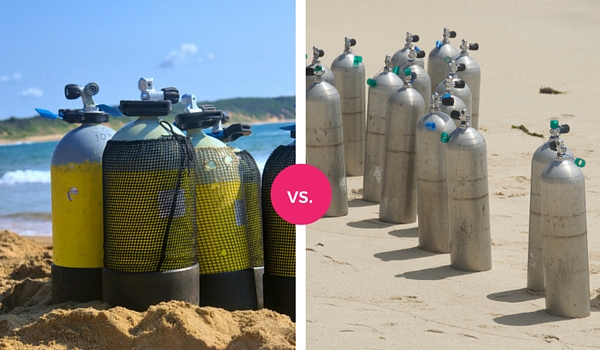
Your diving technique, frequency of diving, and personal preferences are just a few of the variables that influence your decision between steel and aluminum dive tanks. The following things to bear in mind are:
Environment for Diving:
An aluminum tank could be more appropriate if you dive in saltwater on a regular basis because of its resistance to corrosion. Because of its greater air capacity and longevity, steel tanks could be a preferable option for freshwater diving or locations where tank maintenance is doable.
Type of Dive:
Steel tanks may be preferred by technical or deep divers who need more air and constant buoyancy. Recreational divers who value portability and economy of cost may use aluminum tanks.
Spending limit:
Think about how much you spend and how often you dive. An aluminum tank may prove to be more economical if you are an occasional diver. For individuals who often dive and make significant equipment investments, a steel tank could provide superior long-term value.
Physical Power and Well-Being:
An essential consideration is the tank’s weight when it is on land. Divers who have trouble carrying bulky equipment may choose lightweight aluminum tanks.
Diving tanks made of steel or aluminum each have specific benefits and drawbacks. It’s essential to comprehend these variations in order to choose the best tank for your diving requirements. Depending on what matters most to you—cost, buoyancy, air capacity, or durability—there is a tank that will work for you. You may select a tank that improves your underwater experience and ensures safety, comfort, and enjoyment on every dive by taking your diving habits and preferences into account. Happy and safe diving!