


Closed-circuit rebreathers, or CCRs, are state-of-the-art diving gear that increases efficiency and safety during underwater exploration by reusing exhaled gases. In contrast with the conventional open-circuit systems that release exhaled air into the water, CCRs capture and recycle them, enabling much longer dive times and greatly reducing gas consumption. This article explains how rebreathers work, with a close look at carbon dioxide scrubbing and oxygen recycling-two critical processes that will make rebreathers function.
Understanding Closed-Circuit Rebreathers
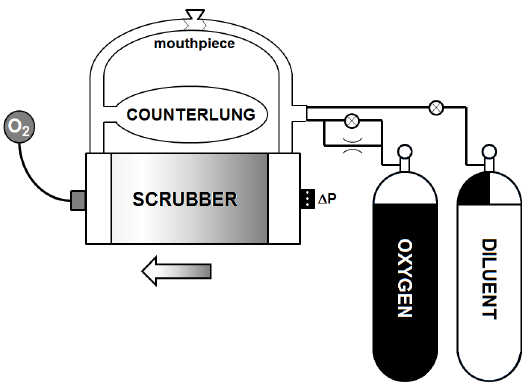
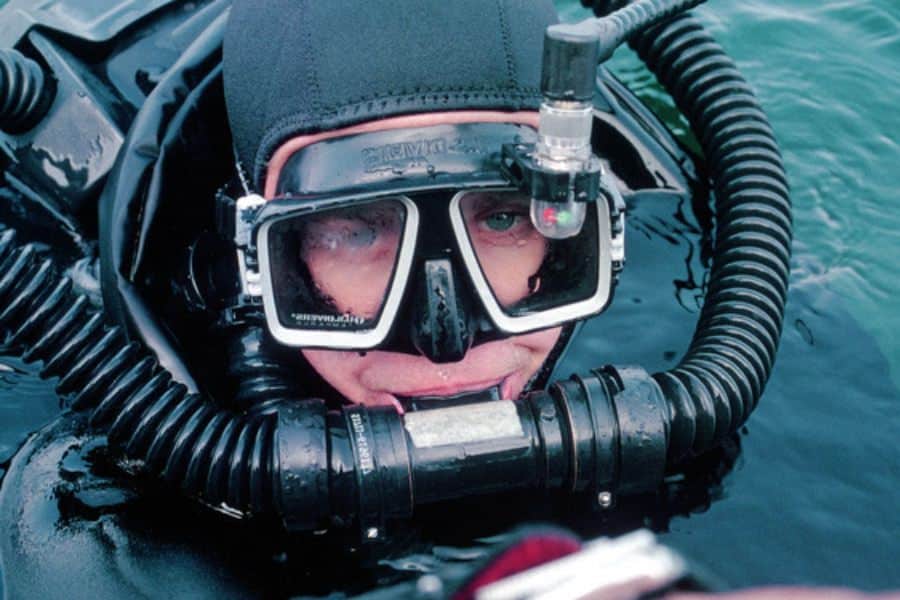
A CCR has a breathing circuit comprising the mouthpiece, rebreather canister, gas supply, and sensors that monitor the composition of the gas. When one exhales, the exhaled gas enters the rebreather canister, which executes mainly two processes: carbon dioxide scrubbing and oxygen recycling. Such processes enable divers to breathe a gas mixture that is both safe and breathable over long periods.
Carbon Dioxide Scrubbing
One of the most critical tasks that CCR is expected to do is scrubbing carbon dioxide from the gas exhaled by the diver. During respiration, divers produce CO2 as one of the by-products of cellular respiration. For this reason, accumulation within the breathing loop may result in hypercapnia condition which encourages dizziness, confusion, and even loss of consciousness.
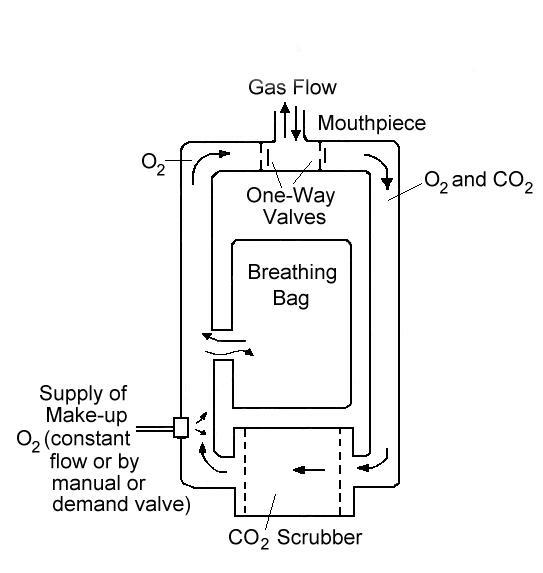
Most CCRs employ some sort of scrubbing system, that is mostly based on a chemical absorbent, aka “sorbent.” There are two common types of sorbents: sodium hydroxide and lithium hydroxide. Those sorbents react with carbon dioxide to form solid carbonate. The effectiveness of scrubbing is dependent on the design of the canister, the rate of the flow of the gas, and the contact time between the gas and the sorbent.
Key Aspects of Carbon Dioxide Scrubbing:
1. Canister Design: The canister design should allow for the maximum surface area contact of exhaled gas with the sorbent material. A good design ensures that there is good turbulence of the gases while at the same time reducing resistance.
2. Sorbent Material: Different materials have different capacities for absorbing CO2. The type of sorbent used dictates the life of a CCR in terms of how long it can be used before its replacement.
3. Monitoring: Advanced CCRs are equipped with sensors that monitor the level of CO2, providing immediate feedback to divers. If this level of CO2 reaches dangerous thresholds, the system can warn the diver or even switch on the secondary supply of gas.
Oxygen Recycling
Besides scrubbing CO2, CCRs also have to maintain an adequate level of oxygen (O2) for the diver. A diver exhales gas containing not only CO2 but also a very immense amount of O2 that could be re-utilized. This O2 is captured by the rebreather system so it can be recycled back to the breathing loop.
It is usually achieved by the implementation of two crucial factors: one is related to the oxygen supply system and the other to some kind of monitoring and adjusting of the O2 level. The amount of oxygen required is guided by the physiological needs of the diver; therefore, it will be necessary to maintain a stable and safe partial pressure of oxygen.
Key Elements of Oxygen Recycling:
1. Supply of Oxygen: Most of the CCRs have an on-board oxygen tank that refills the breathing loop with fresh O2. The tank could be filled with either pure oxygen or a mixture of gases, depending on the diving scenario.
2. Oxygen Monitoring: Sensors constantly measure the levels of O2 in the breathing loop. If the O2 concentration falls below a predetermined threshold, the system automatically adds more oxygen from the supply tank.
3. Diluent Gases: In deeper dives, where increased pressure may affect gas solubility, divers may also use diluent gases such as helium or air to balance the mixture and maintain the appropriate partial pressures.
Advantages of CCRs
The combination of carbon dioxide scrubbing and oxygen recycling carries several advantages:
Extended Dive Times: As a result of gas recycling, CCRs have the ability to extend dive times beyond the constraints of conventional systems, and hence they are in good demand in technical diving and underwater research.
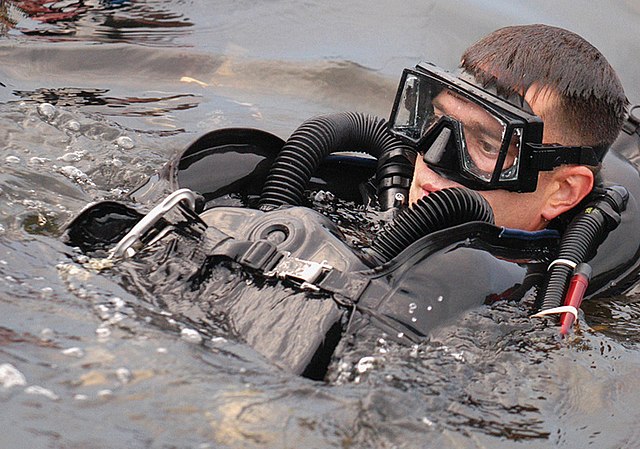
Minimum Bubble Formation: The amount of bubbles produced by CCRs is minimal, hence minimally disturbing aquatic life and thus helping in quite stealthy exploration.
Better Gas Efficiency: The diver can consume less gas overall, which would be cost-effective. It reduces the weight of the equipment during deep dives as well.
By definition, closed-circuit rebreathers constitute a giant step forward in diving technology for divers to see the underwater world with much greater efficiency and safety. Because of their effectiveness in carbon dioxide scrubbing and recycling oxygen, CCRs ensure that a breathable environment is retained. This prolongs the dive time and generally enhances the experience of diving. As technology evolves, those systems are bound to become more sophisticated in an effort to allow new frontiers of exploration underwater.


