Emergency backup regulators have also become important as key elements throughout safety systems of various industries including the medical field, aerospace industry, and high-pressure gas management system. Under such conditions, these regulators provide a continuous and rapid delivery of the gases, oxygen, or other essential molecules. Due to the compact design of these regulators, there is growing interest in them, as safety systems are being developed.
It will be a significant advantage since the ease of access to the small form factor will lead to greater portability, thereby enhancing overall system performance at underspectral levels. The major part of this paper will be dedicated to compact design in emergency backup regulators and how they optimize performance for easier access during emergency periods.
Function of Emergency Backup Regulators
while industrial backup devices guard against sudden pressure drops that cause expensive downtime of operations if they are lucky and dangerous working conditions if they are unlucky, their emergency backup functionality is almost identical.
The backup regulator should be in a position to make possible continuity of operations without a break and also instantaneously in a safe manner at the time of an emergency. Nevertheless, a high priority must be given to its design so that it can work correctly without unwanted delay in terms of achieving either speed of response or access.
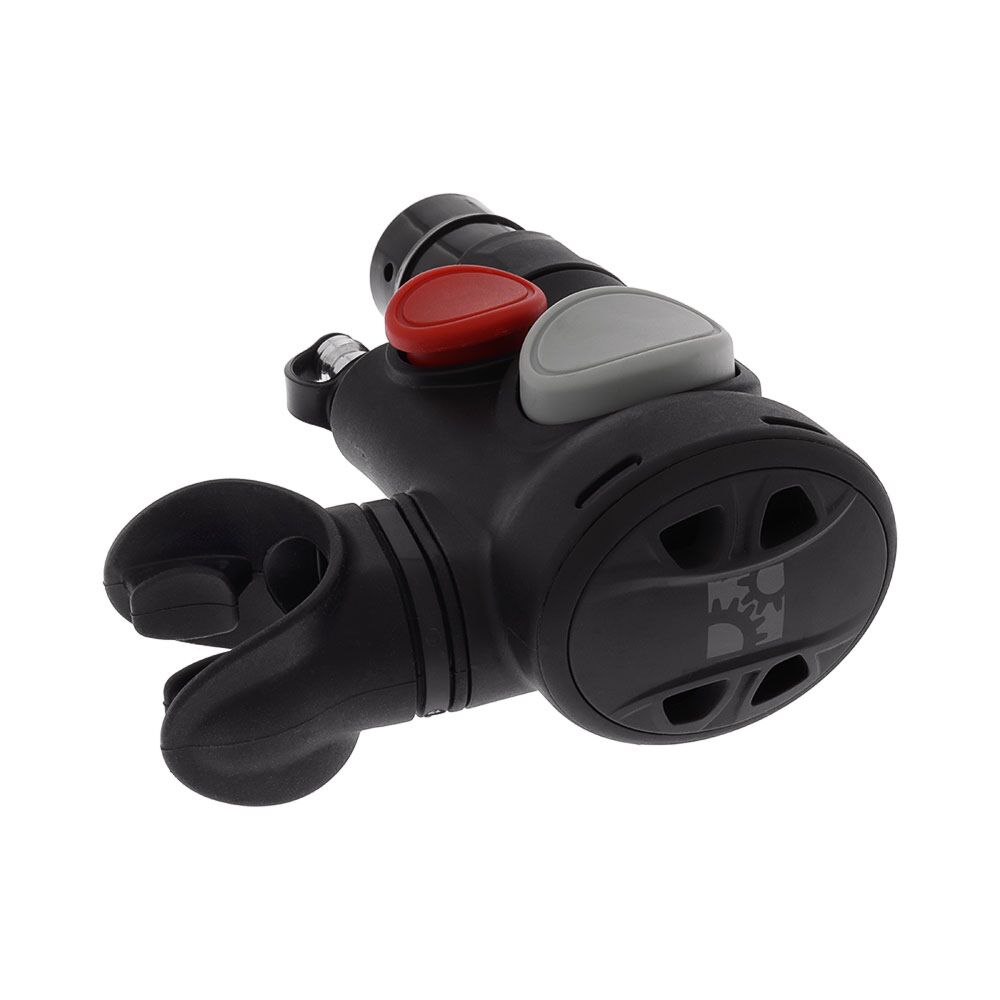
Pushing Small
1. Saving Space
Space can be very restrictive in certain environments (e.g., medical facilities, laboratories, aircraft), and every inch must be exploited. Reduplicated backup regulators are all built to fit in such a small area without compromising their ability to interact. Due to their small size, they can be integrated into a control panel, medical care, and similar high-requirements, space-limited environments which makes them an essential tool for machines where the position is critically relevant.
2. Enhanced Accessibility
To begin with, the site emergency system should be more available during the emergency. Lightweight and portable backup regulators that can be readily withdrawn; thus a wearable must be quickly connected to the main gas line or to the various gas systems to be used in case of emergency. Their small size and simplicity obviate all of the extraneous complexity that is vital in extreme circumstances, where every second counts.
Portable power supplies tend to have ergonomic, user-friendly, and easy-to-use designs as well as intuitive user interfaces that can be used under harsh physical conditions. Among the high-end features to support usability, there are visual cues and ergonomic controls that facilitate the speed of device engagement when it’s required.
Compact Size: Compact Size:
Using space maximally
In specific settings e.g., hospitals, labs, or aircraft, space is very limited and every inch has to be used. Reduplicated backup regulators that can be crammed in pocketed places without losing an inch of utility do just that. Their footprint is more confined, so it can be integrated into control systems and in some other squeezed environments (e.g., medical carts), into areas where strategic placement is needed.
However, since portable is a very crucial characteristic of an emergency backup regulator, portable is extremely important in carrying. The portability of regulators is highly desirable in fields such as health care, in which these may sometimes be moved from one site to another.
In some cases, these backup regulators will travel with the patient in an ambulance or be used at home for treatment outside of a hospital. Therefore, portable and compact also must be small and easy to carry, guaranteeing in any case they would always be present, in order that in all cases that are needed the standby systems will always be ready.
Such small and portable backup regulators can now be kept inside a medical bag for use, bolted inside a vehicle, or kept at some nearby place. They are easy to store within confined spaces, and all this would add no bulk to carrying them because that allows for making important resources available where they are needed the most, even in non-fixed conditions.
Reduced Complexity
Usually, miniature construction can be turned into simpler construction with fewer moving parts or less friction. This would represent a substantial increase in the reliability of this class. As fewer parts are always present to fail, the risk of system failure should also decrease, providing operators with greater peace of mind. Compact regulators are typically simpler to maintain and maintain, as they are often based on simpler systems, which are easier to identify and repair if they are malfunctioning.
In addition, small-size, emergency backup regulators are generally equipped with advanced technologies, such as digital pressure sensors which will further reduce the human factor in the monitoring of the system. Their ease of implementation can lead to significant improvements in the safety and efficacy of a system-particularly in life-or-death applications.
Design Innovations in Compact Emergency Backup Regulators
The technological design of emergency backup regulators has been continuously improved, and for every new innovation, the aim is miniaturization and maximum overall performance. Some major trends in the design include:
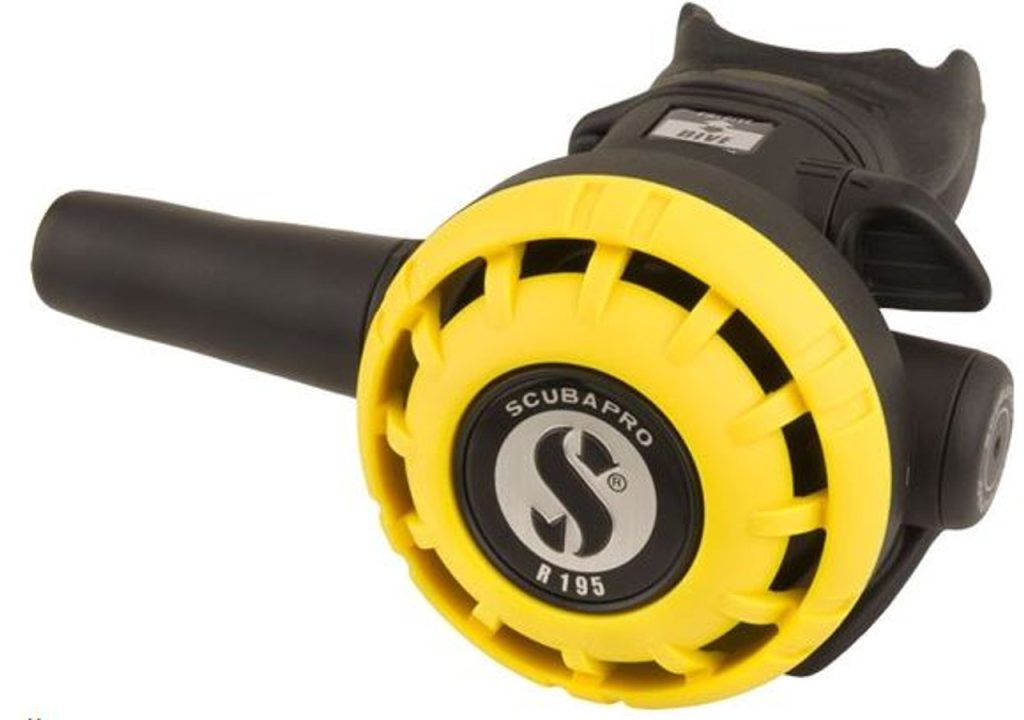
Modular Systems: The majority of the recent regulators have a modular architecture, so that pressure gauge, valve, and filter modules can be interchanged or have their capabilities improved without having to change the full unit, thereby, having the benefit of modularity that facilitates ease in both initial design and through-life support.
Advanced Materials: By utilizing lightweight yet strong materials, such as titanium and high polymers for strength, it has been possible to make present regulators portable without loss in strength or performance. Material decreases the overall weight of the device yet retains robustness.
Intelligent Functions: By using IoT technology, several small backup regulators, in addition, have incorporated built-in sensors, digital displays, and remote monitoring features. The intelligent functions allow for the monitoring of real-time pressure levels and an alert system to give quick information to operators at the very beginning of the development of trouble.
Ergonomic Design: A number of manufacturers develop miniature, ergonomically handled, and operable regulators with rounded edges, easy-to-use knobs, and transparency of pressure indication.
It is of paramount importance to understand that, by miniaturization of regulators of emergency backup, there will be a substantial reduction in accessibility, portability, and general ease of use in any critical setting. When that happens, these miniature versions of the regulators will ensure, through the reduction of space requirements easiness of handling, and reduced complexity, that these lifesaving safety systems will be performing accordingly. Safety is now a prime concern for industries, and with an increased awareness of future requirements, the compact regulators would form an integral part of the emergency setup.
With the technological advances, the art of the manufacturing process is also changing. Compacts will continue to evolve, better performing and more reliable in ever smaller packages. In one case, The portable backup regulator can save lives and continuous operation of industrial applications in an emergency, such as a power failure in the case of high-performance safety systems. Sure, it’s a game-changer.