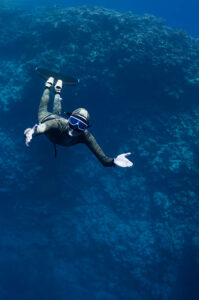
Decompression computers, better known as dive computers, have revolutionized the way divers profile of their underwater adventures, enhancing both safety and enjoyment. These sophisticated devices use advanced algorithms and sensor technology to provide real-time data on dive profiles, ensuring that divers can make informed decisions about their ascent and decompression stops. This paper will explore the principles, algorithms, and sensor technologies underlying these devices, showing why decompression computers are very important tools for divers.
Understanding Dive Profiles
A dive profile describes the path a diver takes underwater, listing factors such as depth, time, and ascent rates. Such a dive profile is important to log parameters like this because the risks of diving, such as decompression sickness (DCS), are related to both depth and duration of exposure to pressure. Decompression computers can continuously monitor these variables, allowing divers to remain within safe diving limits and avoid potentially hazardous conditions.
The Role of Algorithms
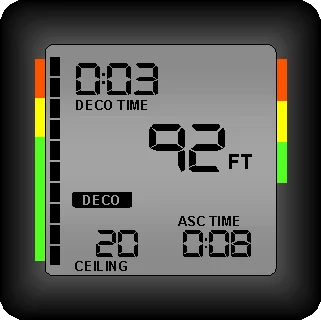
At the core of every decompression computer is, of course, its algorithm: calculating NDLs and required decompression stops. These algorithms estimate how much nitrogen will be taken up by a diver’s body while underwater, based on a function dependent on ambient pressure and time at depth.
Popular Algorithms
Several algorithms are widely used in decompression computers:
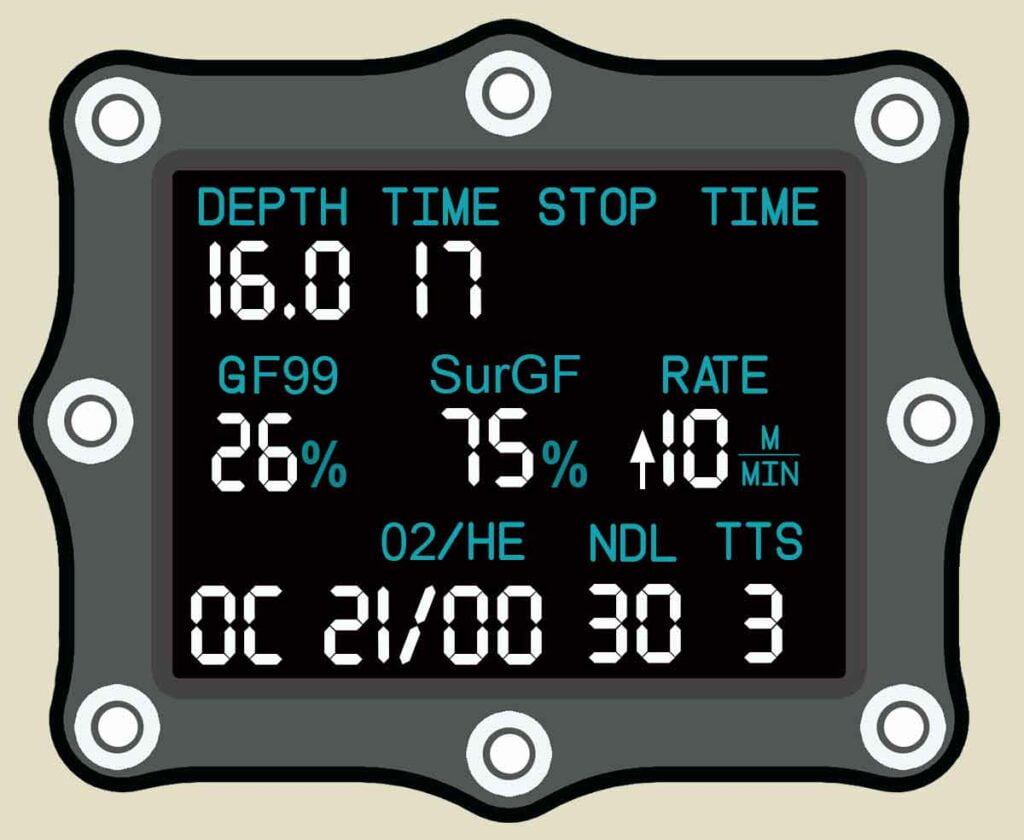
1. Buhlmann ZHL-16: Developed by Dr. Alfred Buhlmann, this model divides the body into multiple tissues with their rate of nitrogen absorption and elimination. It is probably one of the best-accepted models due to its flexibility and applicability to any type of dive profile.
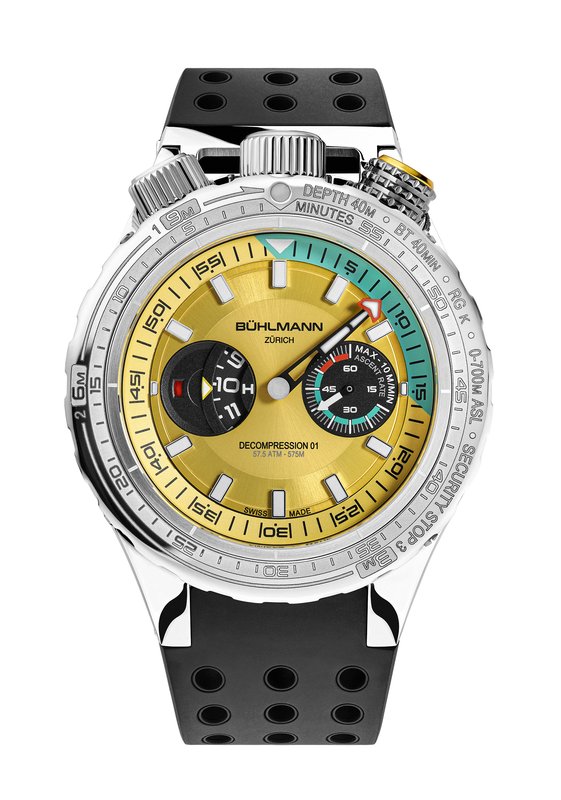
2. VPM (Variable Permeability Model): This algorithm takes into consideration the variable permeability of tissues for the absorption and release of gas, thus providing a more conservative decompression profile and therefore aiding in the reduction of the risk of DCS.
3. RGBM (Reduced Gradient Bubble Model): The RGBM model is based upon a bubble dynamics approach with the goal of improved risk management for decompression sickness in repetitive diving situations.
All of them have their strong points, and the choice among them is often based on the type of diving being done, the experience level of the diver, and other environmental conditions.
Sensor Technology
Modern decompression computers use a variety of sensors to get real-time information:
-
Pressure Sensors
These pressure sensors measure ambient water pressure to determine the diver’s depth. Such sensors are quintessential in accurately calculating the time at different depths and assessing ascent rates.
-
Temperature Sensors
Temperature affects gas solubility and the physiological response of the body to pressure. Most dive computers also contain a temperature sensor to give a more complete picture of the diving environment.
-
Inert Gas Sensors
Some high-end models even read the levels of the gases, such as nitrogen and oxygen, in the diver’s body to make the calculation related to the saturation level and the DCS risks even more accurate.
-
Motion Sensors
Some dive computers use inertial measurement units (IMUs) to track a diver’s movement. Such technology can help in establishing the ascent rates and warning of any potential problems with buoyancy control.
-
User Interface and Connectivity
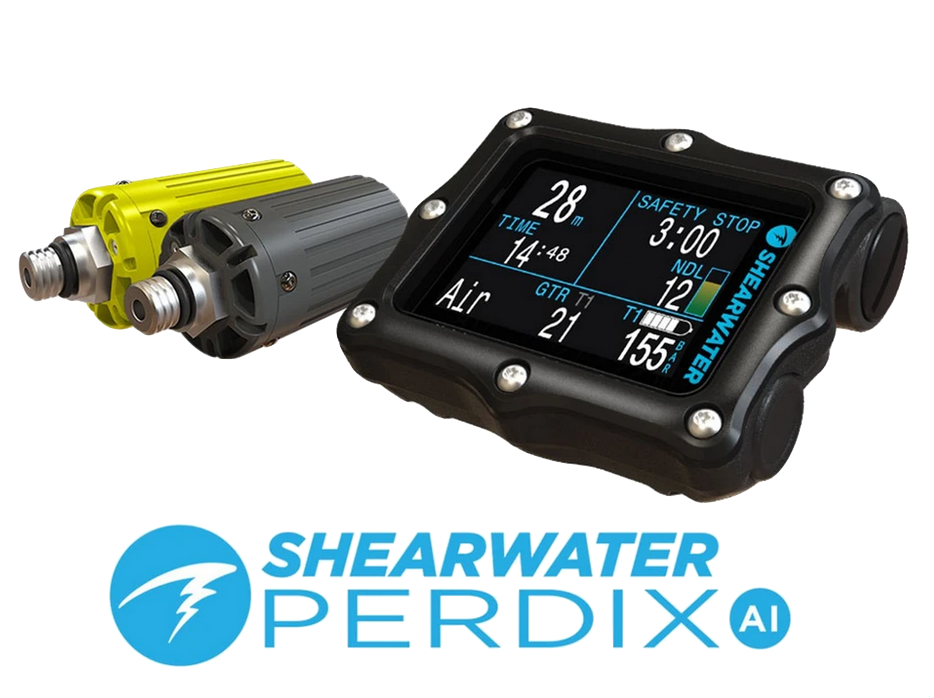
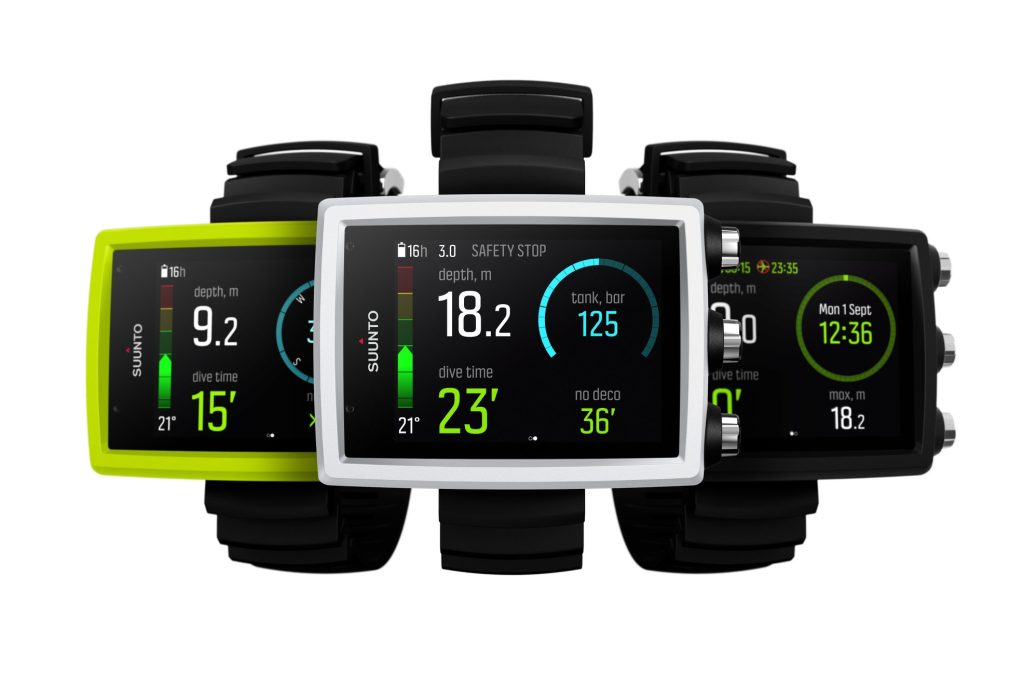
All decompression computers have user-friendly interfaces with important information including current depth, remaining no-decompression time, and ascent rates. Many of the modern units are wireless, allowing divers to link to a smartphone or dive log in order to track and analyze the diving history. This permits better review of past dives, planning of future dives, and sharing of experiences—perhaps for bragging rights—within the diving community.

Safety Features
In addition to real-time monitoring, many decompression computers have incorporated safety features that allow for:
- Audible and Visual Alarms: For depth or time limit exceedances, or if approaching required decompression stops.
- Dive Planning Functions: Those functions that allow divers to plan their dives in terms of experience and intended profile including expected safety margins. –
- Repetitive Dive Tracking: Continuously monitors residual nitrogen levels for divers making multiple dives within a short time frame.
Overview Decompression computers are the mainstay of modern scuba diving. Using sophisticated algorithms and sensor technologies, these devices can minimize risks and maximize the diving experience. It keeps getting better and better for those divers who look to dive safely in an underwater environment with the improvement of technology. Through appreciation of the interaction between algorithms and sensor technology, informed decisions by divers can be made to decrease the risks of diving while maximizing the elation of discovering this new world. Be you an experienced diver or a novice, there is a need to invest in a good-quality decompression computer for safe and enjoyable diving.