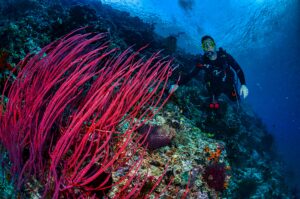
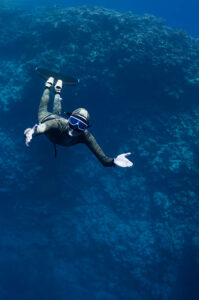
Scuba diving is considered one of the most popular sports worldwide and people of all ages enjoy practicing it. Eerie shipwrecks, incredible marine life and the fantastic coral reefs are the major attractions to this sport, but we mustn’t forget the dangers of scuba diving, as some of them can be potentially life threatening!
5 Dangers of Scuba Diving
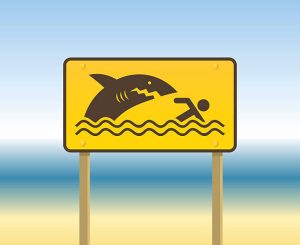
While being an accelerating and beautiful activity, scuba diving poses inherent risks that can be avoided by the proper training and adherence to safety protocols. Here you are about five dangers of scuba diving:
- Malfunctioning Equipment.
- Pulmonary Embolism.
- Nitrogen Narcosis.
- Oxygen Toxicity.
- Marine Life.
Malfunctioning Equipment
Many scuba divers, especially casual ones, don’t own their scuba diving equipment, so they rent them. This makes them face potential hazards, for example
- Having a broken depth gauge could make you suffer from Decompression Sickness.
- Having a bad regulator may lead to drowning.
So, as a diver renting his Gear, you should always properly check the rented scuba diving equipment and ask for a new piece of gear if you suspect that there is something wrong with yours.
Pulmonary Embolism
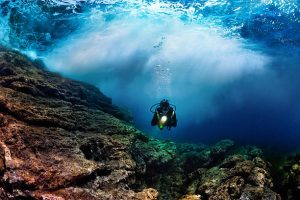
After ending your dive, rapidly ascending to the surface can lead to a high risk of pulmonary embolism. The increased pressure of the underwater environment leads to making the gas that a scuba diver breathes becoming denser because more gas is crammed into the same area under pressure.
The gas that has been held in your lungs will expand at a rate equal to the rate of the reducing pressure on your body, so rapidly ascending can cause your lungs to swell and pop like a balloon. To protect yourself from pulmonary embolism, make slow ascents to the surface and never hold your breath.
Nitrogen Narcosis
The narcotic effect of extra nitrogen in your body is from the Important dangers of scuba diving. If you have had nitrous oxide gas at your dentist, you are already familiar with this effect.
The danger of nitrogen narcosis lies in that it impairs sensory perception and judgment. Just like decompression sickness, the degree of nitrogen narcosis is related to the depth that a diver is diving in and the amount of nitrogen he absorbs.
Oxygen Toxicity
Oxygen toxicity can be a big problem especially for deep scuba divers who are usually diving below 135 feet. Like how your body deals with nitrogen, your body absorbs extra oxygen under the increased pressure of the underwater environment.
For most scuba divers this isn’t considered a problem, but if you are diving in extreme depths an extra oxygen can be absorbed and become toxic. The symptoms of oxygen toxicity range from nausea and tunnel vision to seizures and loss of consciousness.
Marine Life
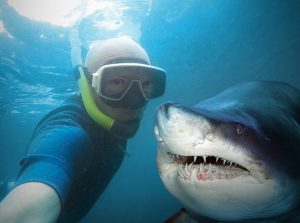
Scuba divers should be aware that every dive is much like entering the wilderness. Most marine creatures are aggressive towards scuba divers and rarely attack them, however, incidents do happen.
A diver mustn’t forget that wild sea animals surround him. You should always treat marine life with great caution, respect and care.