Marine sanctuaries provide for protected marine environments and species, thus guaranteeing that our oceans will remain varied, rich, and full of life. For the scuba diver, sanctuaries hold some of the most unspoiled and amazing underwater experiences in the world. Following are some of the finest scuba diving spots in marine sanctuaries across the globe, unique opportunities for both exploration and conservation of our blue planet.
1. Great Barrier Reef Marine Park, Australia
Location: Queensland, Australia
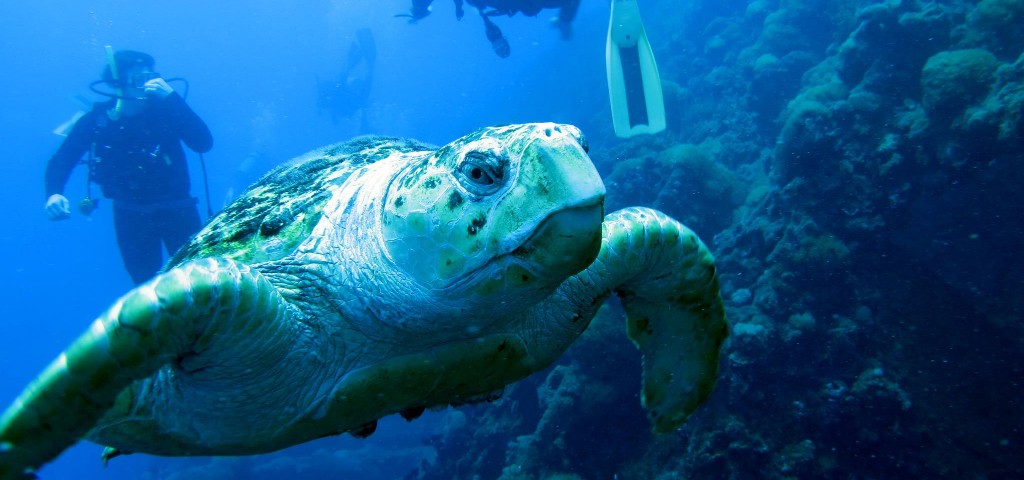
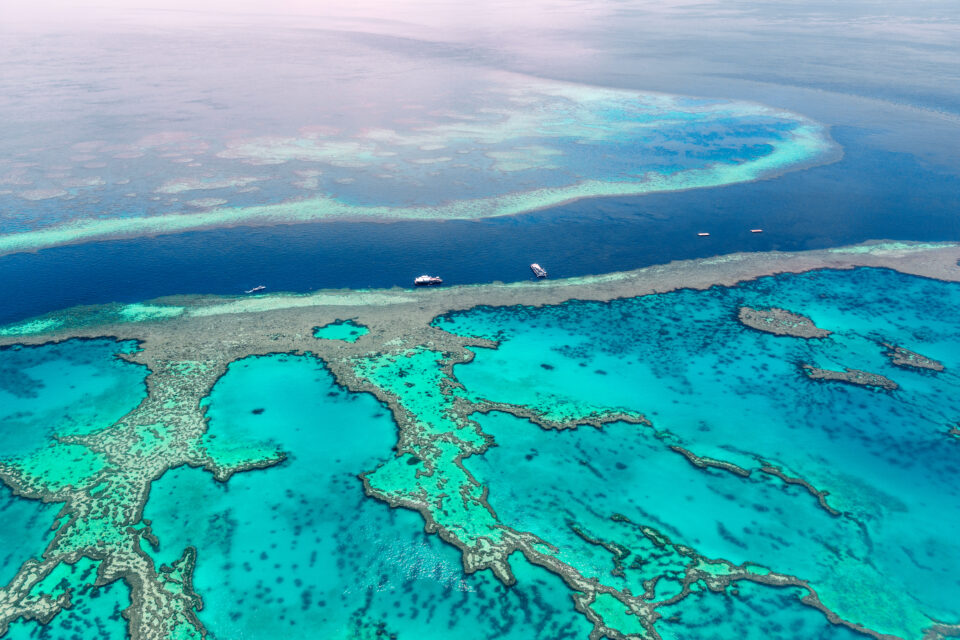
The Great Barrier Reef Marine Park is the world’s largest coral reef system. The system stretches for more than 2,300 kilometers along the coastline of Queensland. This area is listed as a UNESCO World Heritage site and is one of the most emblematic marine sanctuaries in the world. It contains a lot of colored coral formations where divers can swim with giant manta rays and experience the great richness of marine life, including sea turtles and reef sharks. The Great Barrier Reef offers something for every diver among its hundreds of dive sites, which include shallow reefs and deep walls.
2. Bonaire Marine Park, Caribbean Netherlands
Location: Bonaire, Caribbean Netherlands
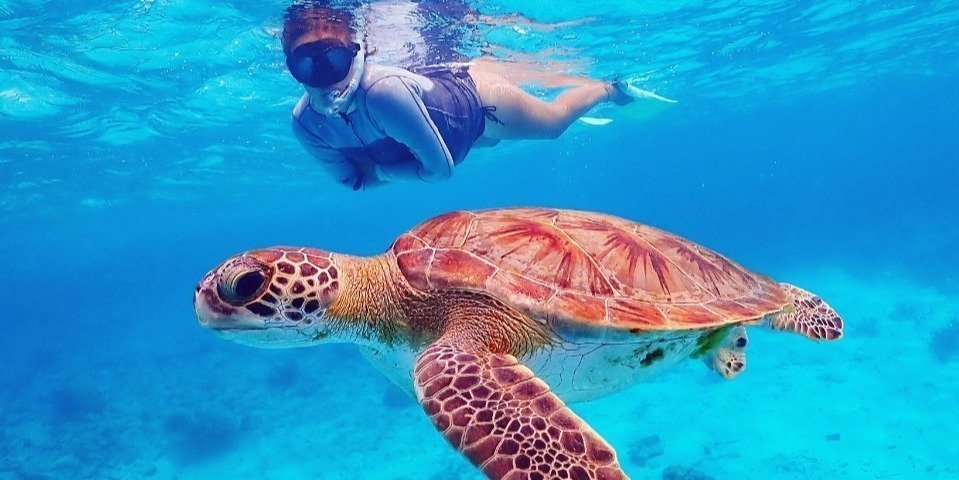
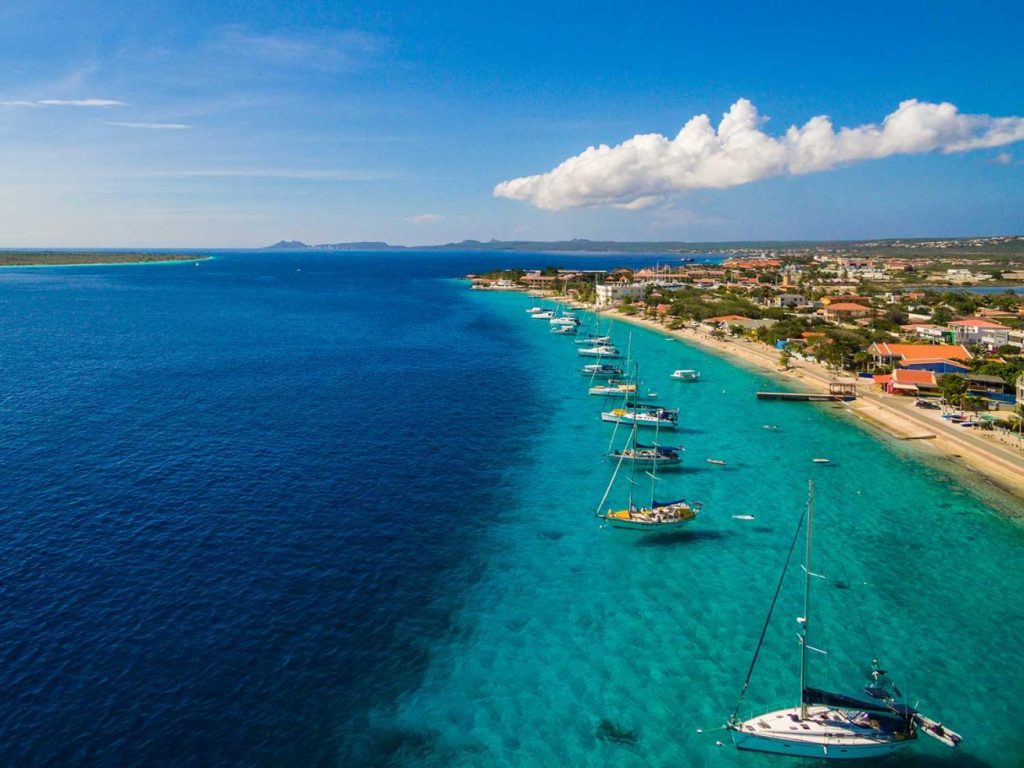
The seas around the island of Bonaire belong to Bonaire Marine Park, well known for their clarity and healthy condition of coral reefs. It is one of the first places dedicated to marine conservation, with over 80 dive sites that include the famous “Klein Bonaire” and “Salt Pier.” Divers shall swim into colorful coral gardens, swim with schools of colorful fish, and share encounters with sea turtles and barracudas. Knowing that Bonaire is into conservation, its marine life blooms, and it really is a place the ecologically conscious diver must visit.
3. Galápagos Marine Reserve, Ecuador
Location: Galápagos Islands, Ecuador
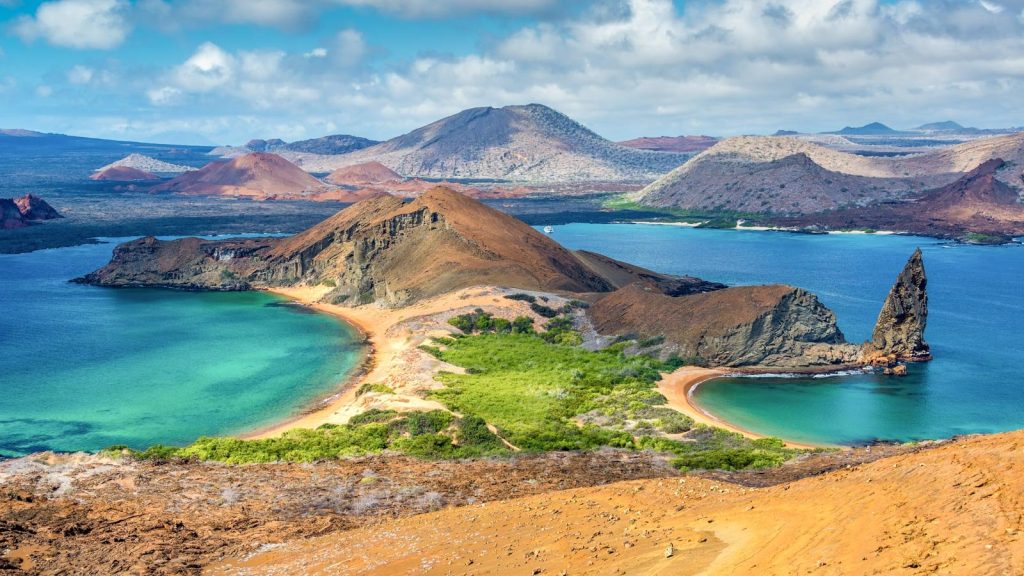
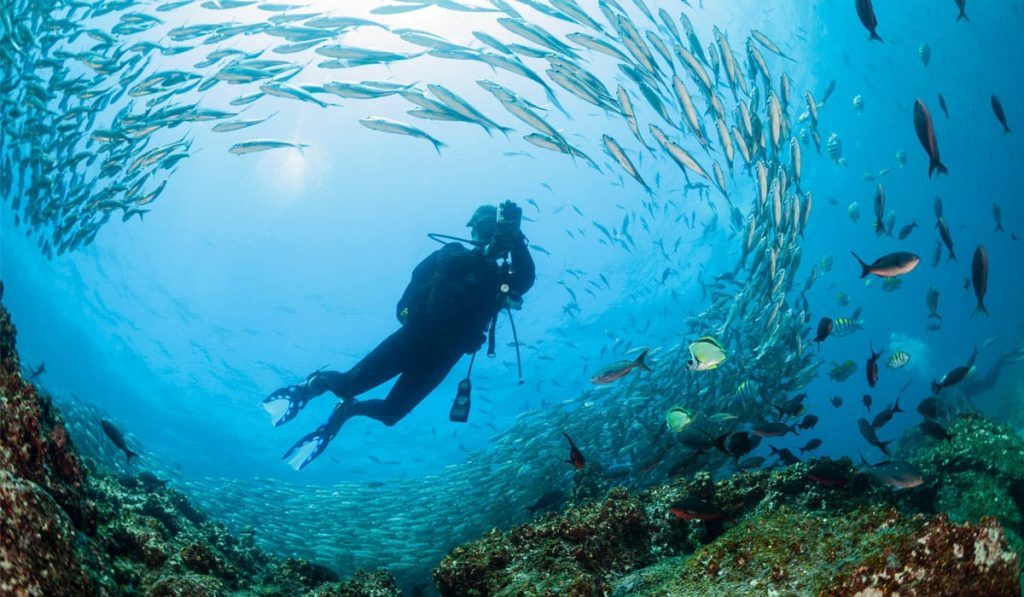
The Galápagos Marine Reserve, surrounding the Galápagos Islands, is one of the most unusual marine sanctuaries in the world. It is home to a wide array of endemic species that include the Galápagos shark, the hammerhead shark, and the marine iguana. These waters of the reserve are both isolated and nutrient-enriched, offering big pelagic species such as whale sharks and manta rays a habitat in which to thrive. One of the wonderful things about diving in Galápagos is the ability to see these magnificent creatures close up and to actually witness the evolutionary wonders that put the spark in Charles Darwin’s mind regarding his theory of natural selection.
4. Papahānaumokuākea Marine National Monument, USA
Location: Northwestern Hawaiian Islands, USA
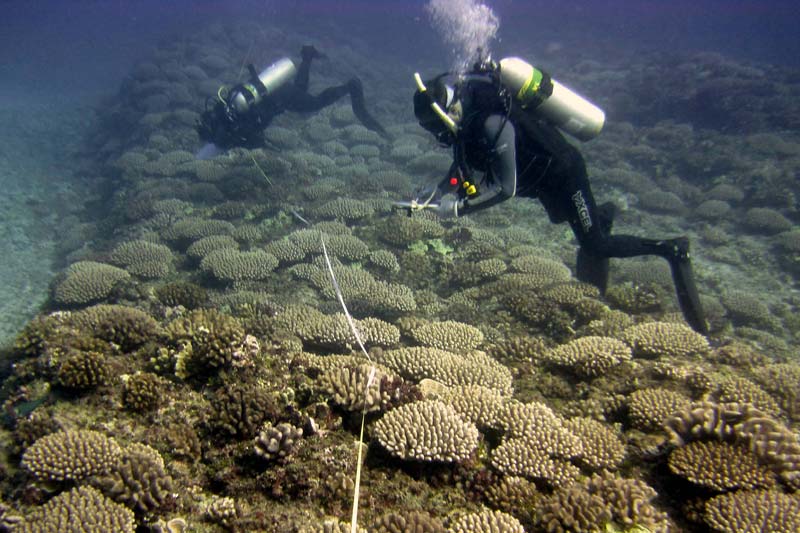
Papahānaumokuākea Marine National Monument covers more than 1,500,000 km² of ocean, making it one of the biggest marine protected areas on Earth. Inaccessibility makes it a home for rare and endangered species such as the Hawaiian monk seal and green sea turtle. Divers can find a pristine coral reef system, submerged volcanoes, and seamounts. These very stringent monument conservation measures preserve its unusual ecosystems, which are rarely represented in a natural state in the marine environment for divers.
5. Raja Ampat Marine Park, Indonesia
Location: West Papua, Indonesia
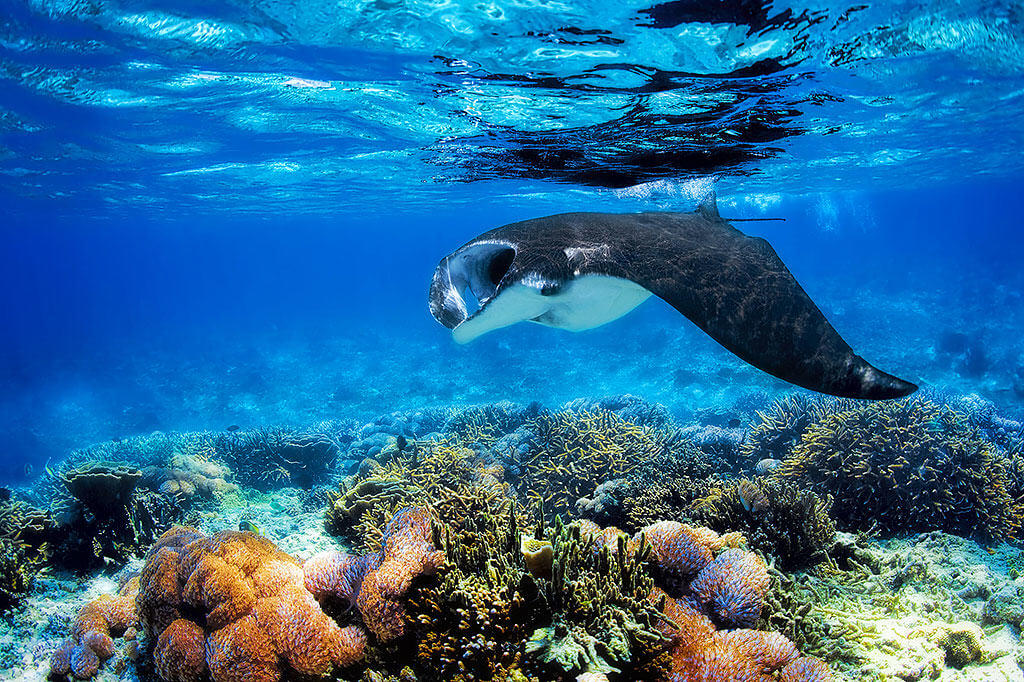
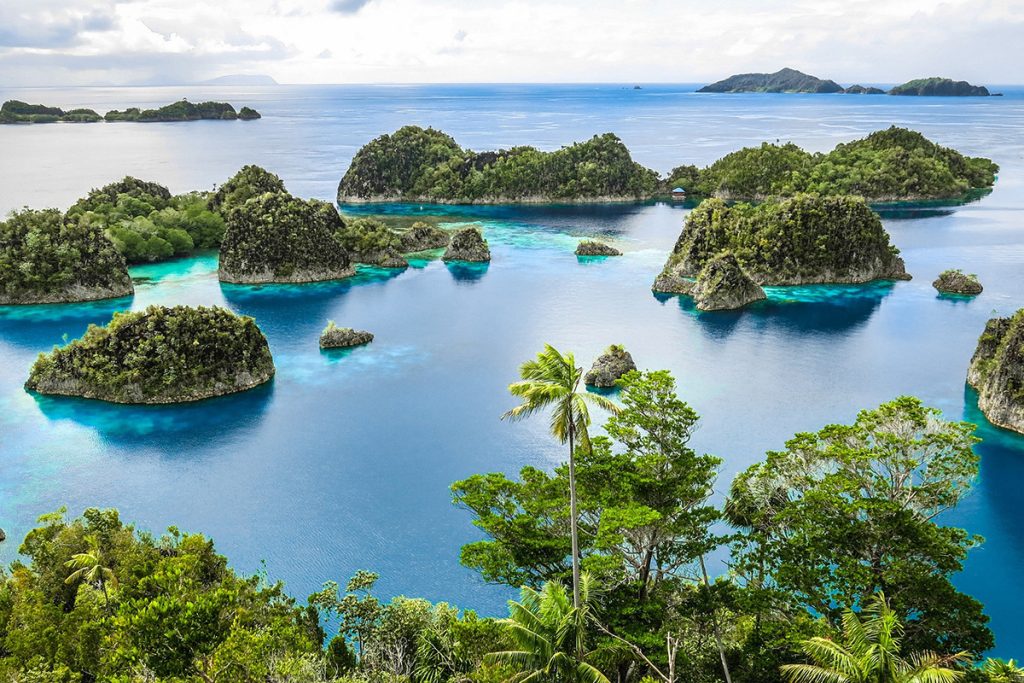
Raja Ampat Marine Park in the West Papua Province of Indonesia boasts some of the most diverse marine life in the world. With over 1,500 islands and cays, this archipelago ranks first in terms of coral reef diversity, hosting more than 1,500 species of fish and 600 species of coral. Going diving here means to swim alongside rare species—the walking shark—through some of the most amazing underwater landscapes on Earth. One can attribute the fact that these marine ecosystems remain so pristine and colorful to their remote location and the dedication to sustainable tourism.
6. Komodo National Park, Indonesia
Location: East Nusa Tenggara, Indonesia.
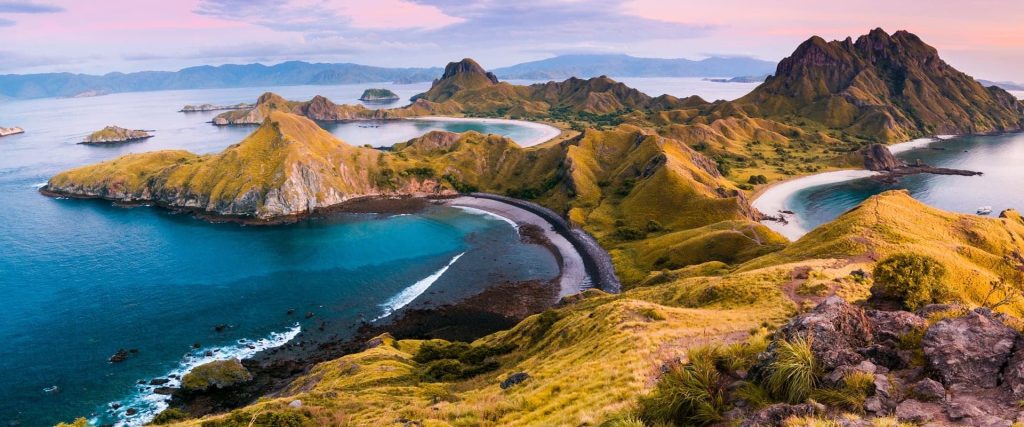
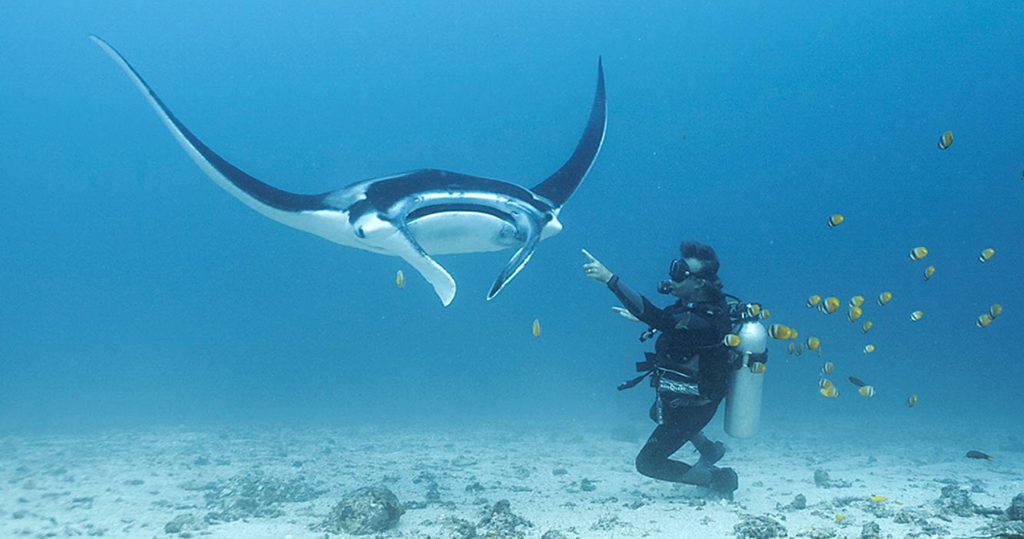
Komodo National Park is very popular, not only for its huge Komodo dragons but also for excellent diving. Steep walls, pinnacles, and strong currents characterize the marine environment here in the park. The experience is likely to be one of adrenaline, manta rays swarm, reef sharks prowl, and beautiful coral reefs flourish. The park’s conservation efforts are toward both terrestrial and marine environments, making it one of the foremost frontier sites for eco-friendly diving adventures.
7. Cocos Island National Park, Costa Rica
Location: Cocos Island, Costa Rica
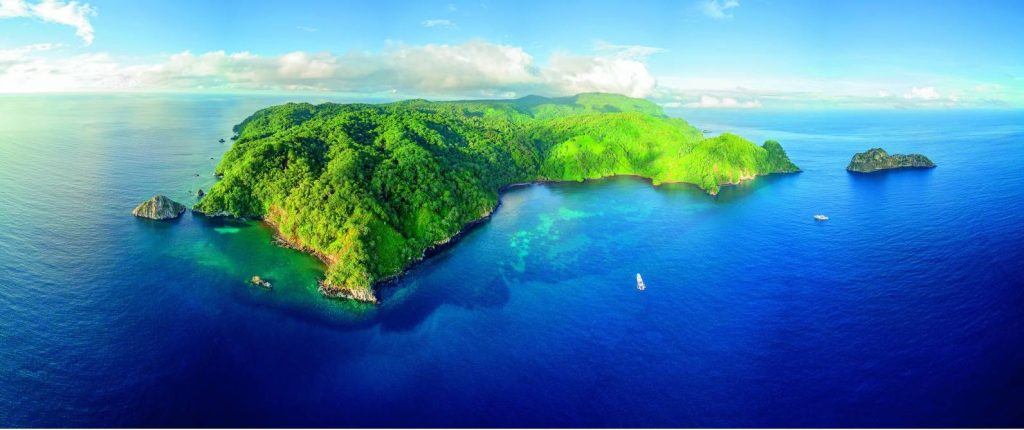
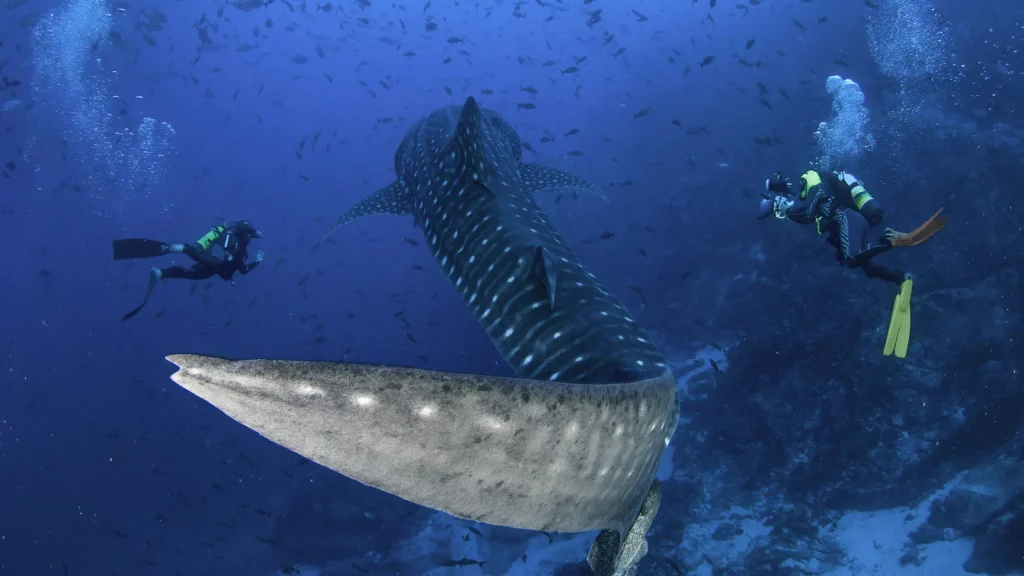
Cocos Island National Park is a very remote, pristine marine environment located 550 km off the coast of Costa Rica. Its deep waters attract large pelagic species like schools of hammerhead sharks, whale sharks, and manta rays. Cocos Island diving is some of the best big fish diving in the world. Isolation and good, strong conservation measures help protect the unique flora and fauna of this park – especially if a serious diver is going for serious diving.
8. Andros Barrier Reef, Bahamas
Location: Andros Island, Bahamas
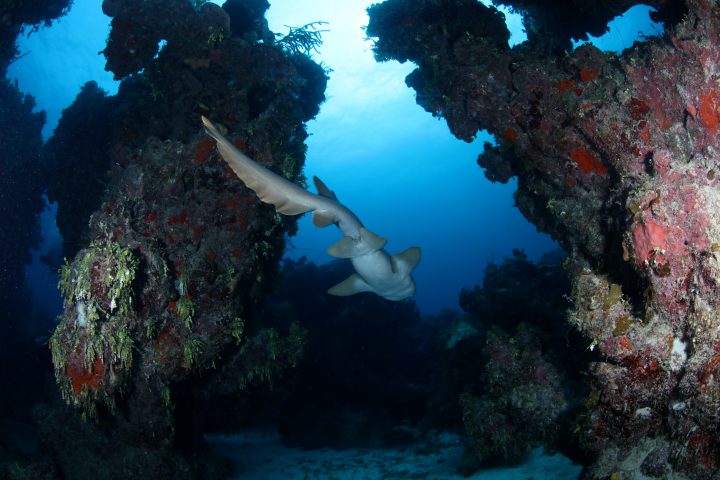
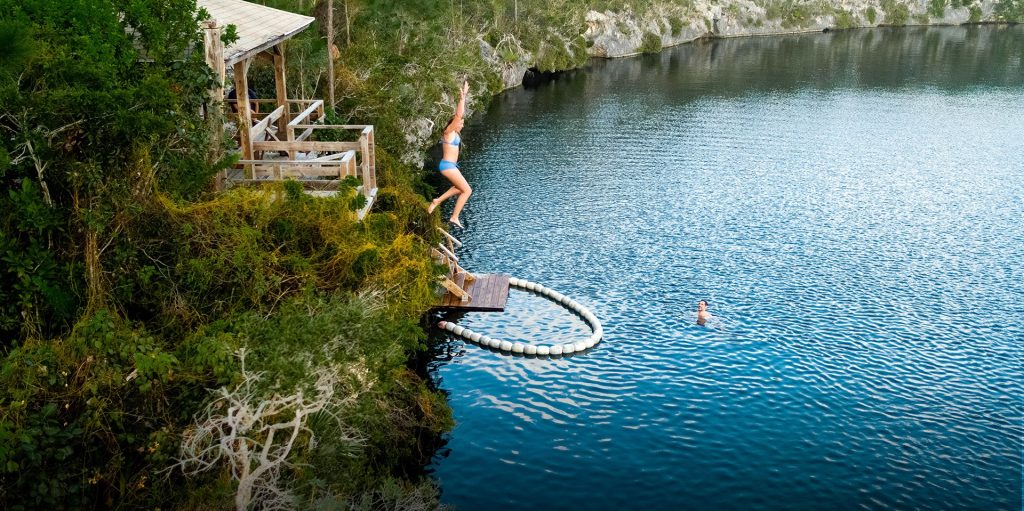
The Andros Barrier Reef is the third-longest barrier reef in the world, extending for more than 200 km on the western coast of Andros Island. The marine sanctuary comprises large coral reefs, underwater caves, and blue holes. Divers will swim through colorful coral gardens, swim among nurse sharks, and observe the different marine ecosystems unique to the park. Being protected ensures that the marine life of the Andros Barrier Reef is as healthy as it is abundant, and it further secures an exceptional-quality dive experience.
9. Tubbataha Reefs Natural Park, Philippines
Location: Sulu Sea, Philippines
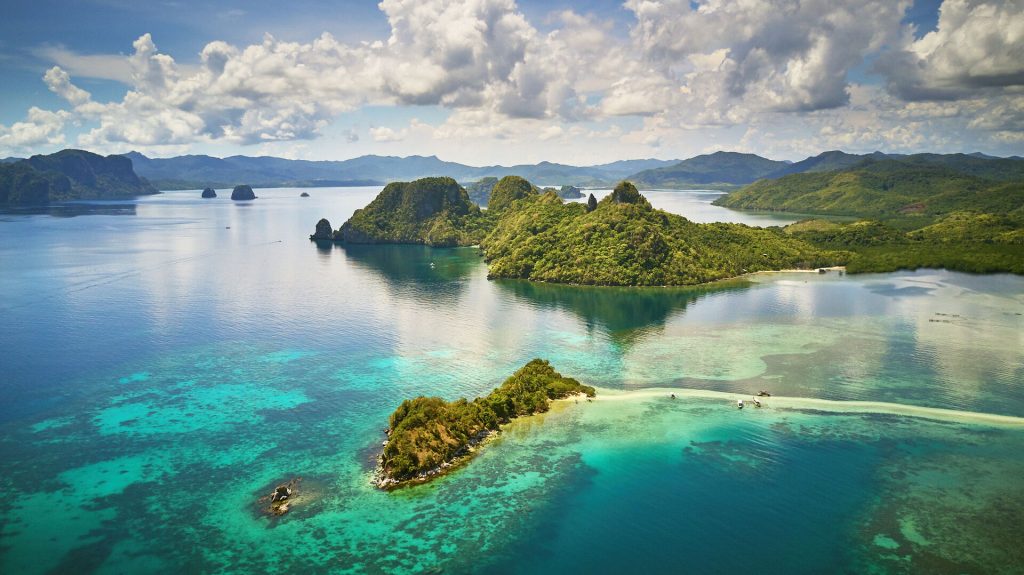
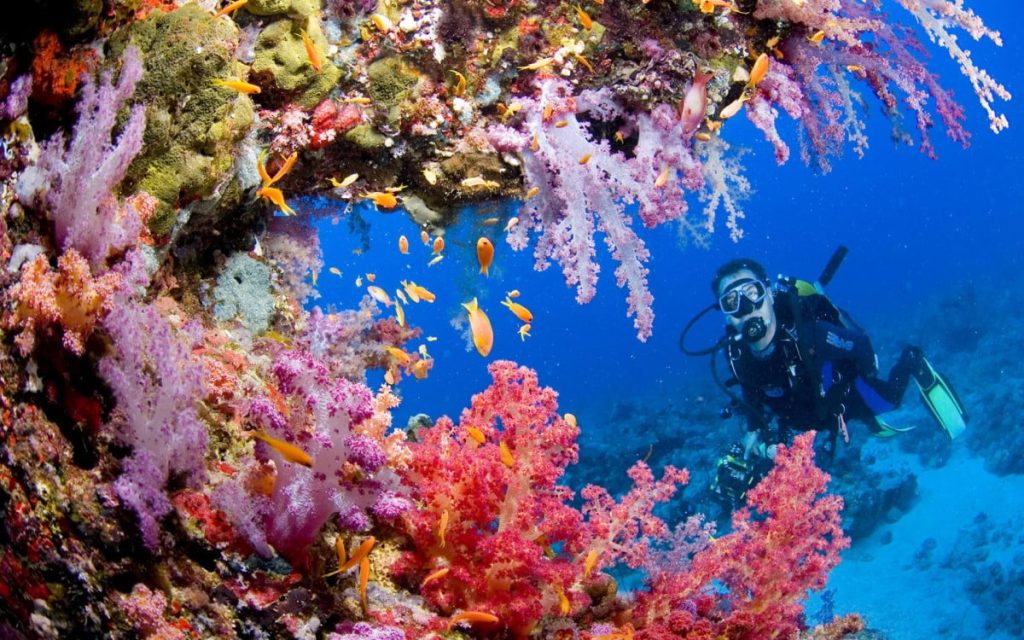
The Tubbataha Reefs Natural Park is another UNESCO World Heritage site, located in the Sulu Sea. It is known for transparently clear coral reefs, rich marine life, and excellent diving conditions. The explorers can see steep walls of coral, fish in huge shoals, and pelagic species of sharks and rays. Its remote site location and strict conservation measures ensure that its marine ecosystems are well-preserved, putting this reef on the top of every diver’s list of untouched beauty underwater.
10. Fakarava Atoll, French Polynesia
Location: French Polynesia
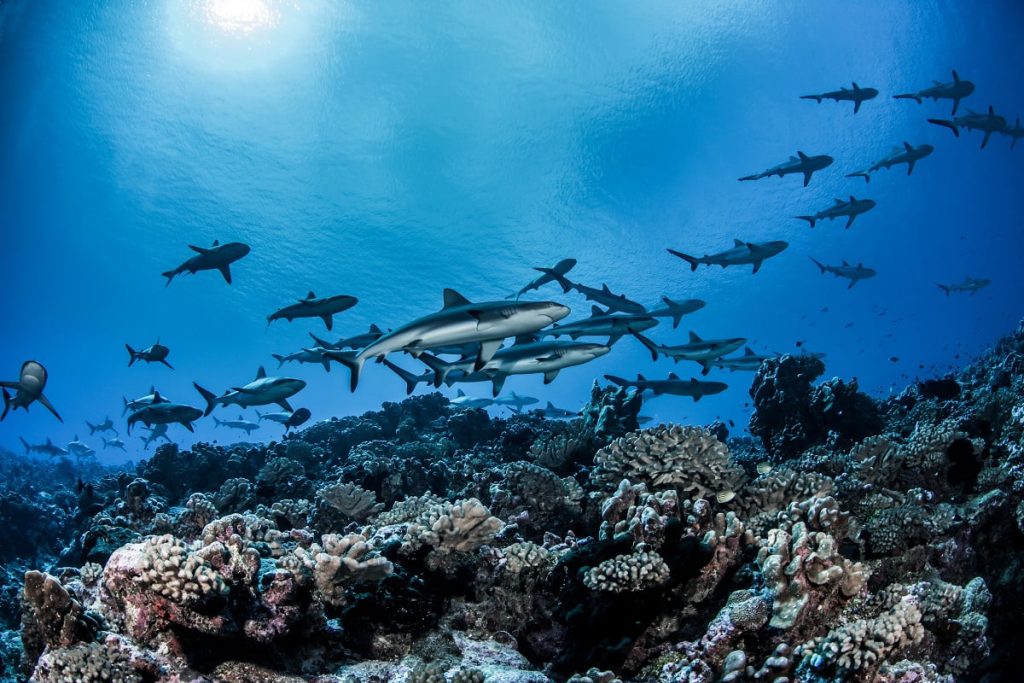
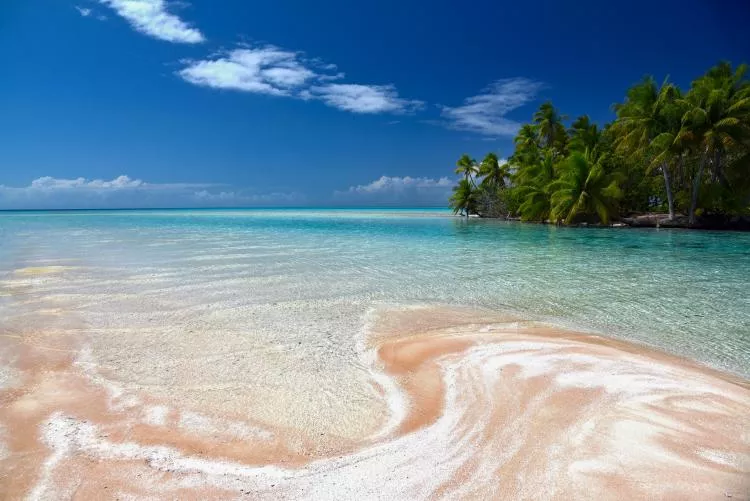
Fakarava Atoll is one of many popular atolls in the Tuamotu Archipelago of French Polynesia. Renowned for its beautiful coral reefs, the unforeseeable underwater wonders of this atoll have done a great deal to maintain its fine reputation. Declared a UNESCO Biosphere Reserve, Fakarava boasts as one of the best dives in all of the Pacific. Divers can look forward to cascading coral walls adorned with vibrant coral gardens, vast schools of fish, and pelagic hook-ups with sharks and. This commitment to conservation helps preserve the unique marine environment of Fakarava and provides both a spectacular and sustainable diving experience.
Marine sanctuaries are the best of both worlds: they protect and preserve the most precious ecosystems of our ocean while offering divers an opportunity to experience these environments in their natural state. These top scuba diving destinations have got to offer adventurous, memorable dives, right next to contributing to the conservation of marine life—from vibrant coral reefs to some of the remote underwater ecosystems. Marine sanctuaries can, therefore, offer some of the most extraordinary underwater experiences an adventurer could search for, from extreme encounters with large pelagic species to serene environments amidst technicolor reefs. Happy and safe diving!