Scuba diving is such a rewarding activity that really opens up a whole new world of underwater exploration. As you build your skills and gain experience, you can work your way up through a number of different certification levels. Each level will increase what you know and your confidence, along with the kind of dives you’re able to safely make. The journey from Open Water Diver to Master Scuba Diver is one with steps and each with a set of skills and challenges. Now, let’s look closer at some of the key milestones in certification and what each comprises.
1. Open Water Diver Certification: The Foundation
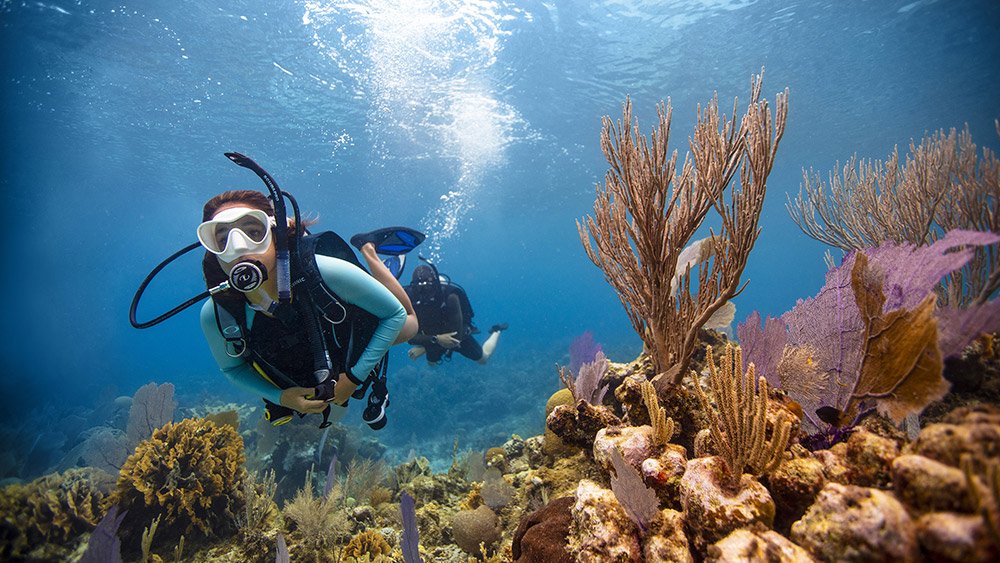
It is the Open Water Diver course that represents your introduction to the basics of scuba diving. Taken through a certification agency such as PADI, NAUI, or SSI, it allows you to dive to a maximum depth of 18 meters – 60 feet – while always being in the company of your dive buddy.
What You’ll Learn:
- Dive Theory: Basic physics of diving – pressure, buoyancy and gas laws.
- Equipment Use: How to set up, inspect, and use scuba equipment; such as regulators, buoyancy control devices (BCD), and air tanks.
- Underwater Skills: Some of the critical skills include how to clear masks, recover regulators, equalize, use buoyancy control, and communicate underwater.
- Safety: Methods to deal with in-water issues like out-of-air, buddy rescue techniques, and using an emergency swimming ascent.
Course Structure:
- Confined Water Dives: You’ll practice basic skills in a swimming pool or shallow water.
- Open Water Dives: Four open water usually in the ocean or a lake-where you apply the skills learned in the pool. Final Exam: A written exam testing your knowledge of dive theory and safety. Upon certification, you will be qualified to dive up to 18 meters with a buddy and are able to rent equipment from dive centers around the world.
2. Advanced Open Water Diver Certification: Building Skills
After getting the Open Water certification, the next process that introduces you to deeper dives and also to new types of diving environments is the Advanced Open Water Diver certification.
What You’ll Learn:
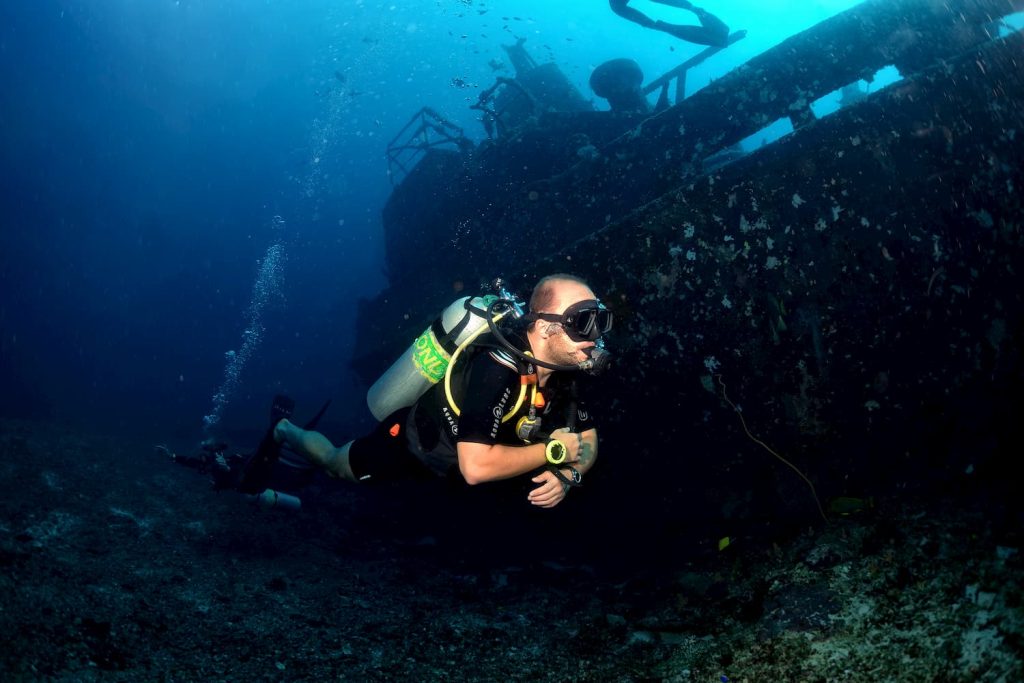
- Deep Diving: Training to dive up to 30 meters (100 feet), including managing deeper pressures and understanding nitrogen narcosis.
- Underwater Navigation: Mastering the use of compasses and natural navigation techniques.
- Specialty dives: You will select three more adventure dives depending on your interest in night diving, wreck diving, drift diving, and/or peak performance buoyancy.
Course Structure
- Five Adventure Dives: This includes two required dives and three elective dives; based on preference or the dive location.
- No Final Exam: No official exam, only evaluation of practical diving skills during the course.
The Advanced certification makes you a more confident and versatile diver in that it opens up the possibility of diving at deeper sites as well as being able to explore a greater variety of underwater environments.
3. Rescue Diver Certification: Safety and Emergency Skills
Where the Rescue Diver course really takes your training to the next level is in emergency management and diver rescue techniques. This certification is one that every diver should possess when he or she wants to be more responsible and capable; especially if you dive with less experienced buddies or plan to pursue professional diving roles.
What You’ll Learn:
- Self-Rescue Skills: Techniques for recognizing and dealing with personal stress, cramping, or equipment failure underwater.
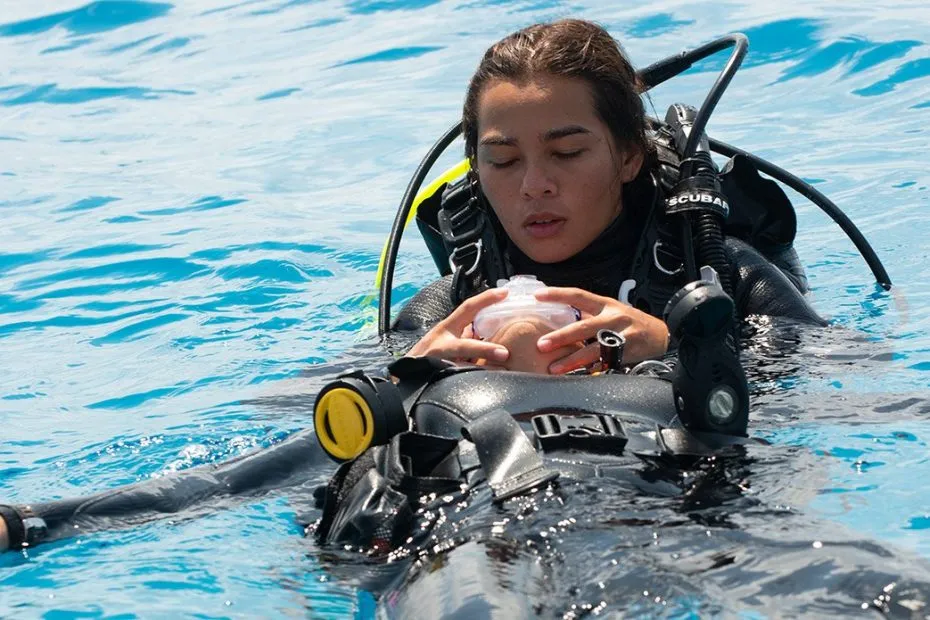
- Rescue of Others: How to rescue panicked or unconscious divers, provide rescue breathing, and move them safely to the surface in a controlled ascent.
- Emergency Management: Producing dive emergency plans, managing accidents, and administering first aid.
- Problem Solving: Managing the most common underwater emergencies, including entanglements, running out of air, and decompression illness.
Course Structure:
- Knowledge Development: Classes or eLearning sessions over theory and dive-related emergencies.
- Practical Skills Training: Pool and open water scenarios where you practice self-rescue, rescuing panicked divers, and solving underwater problems. First Aid & CPR: Most of the Rescue Diver courses.
- consider it necessary to pass a first aid and CPR certification like the Emergency First Response course prior to enrolling in this course.
In fact, the Rescue Diver course is considered by most diving communities as perhaps one of the most rewarding scuba diving certifications, for it builds confidence while teaching divers to think proactively about safety, both their own and that of others.
4. Master Scuba Diver Certification: The Elite Recreational Diver
The Master Scuba Diver rating is the highest recreational level in diving. This rating represents a high level of experience and knowledge across many areas of diving. It differs from other courses in that the Master Scuba Diver certification is not a course itself but a recognition of what you have accomplished as a diver.
Requirements:
- Open Water Diver Certification
- Advanced Open Water Diver Certification
- Rescue Diver Certification
- Five Specialty Certifications: You are required to study five specialty diver courses. The popular ones include Deep Diver, Nitrox Diver (Enriched Air), Wreck Diver, Night Diver, and Underwater Navigation.
- Minimum of 50 Logged Dives: You must have at least 50 dives logged, showing your experience and proficiency.
What You’ll Accomplish:
By the time you become a Master Scuba Diver, you will know about diving theory, safety procedures, and specialized dive environments inside and out. That rating will also make you an accomplished diver who confidently conducts a wide variety of dive types at almost any dive site.
Why Progress Through Dive Certifications?
Safety and Skill Mastery: There is a progressive improvement in skills by working through dive certifications-learning to handle more difficult conditions safely. A diver gains confidence and experience in handling any emergency and managing several underwater environments as he goes from Open Water Diver to Advanced, Rescue, and Master Scuba Diver.
Explore More Dive Sites: Each new certification opens the possibility to dive into more challenging and rewarding sites. The deeper one is able to dive, and the more specialized the skills are, the more they are going to be able to enjoy shipwrecks, caves, and other exciting underwater locations.
Personal Growth and Enjoyment: It is not about checking boxes in the case of scuba diving certification but a source of personal achievement, learning new skills, and ways of seeing the underwater world that few people ever experience. With each completed course, you get to know something new, have an adventure, and have more fun.
The road from Open Water Diver to Master Scuba Diver is one of continuous learning and exploration. With every step, you build experience, increase your skills, and gain confidence in diving. Be it going deeper, specializing in a certain type of diving, or getting the peace of mind that comes from knowing you’re an accomplished safe diver, these dive certifications help make underwater experiences come full circle.