Scuba divers are always looking for ways and tips to make themselves more comfortable while practicing their favorite activity. The full face dive masks are considered one relatively new innovation that have lately been made available for recreational divers despite being only used by commercial divers and in scientific research. In this article, we will answer and discuss some important FAQS about full face dive masks. So, go along with us.
What is a Full Face Dive Mask?
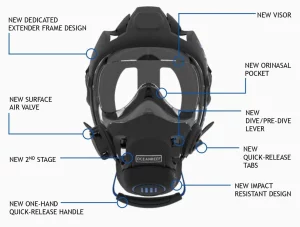
A full face scuba mask is a mask that covers your entire face. It combines the purpose of both the conventional mask that covers your nose and eyes and the regulator that is attached to your mouth.
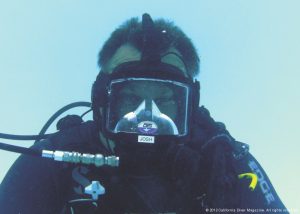
Using full face dive masks enable divers to communicate with each other, as they aren’t required to hold their regulator in their mouth. This mask also helps in reducing jaw fatigue effectively, as there is no need to bite down on the regulator’s mouthpiece.
How Do Full Face Dive Masks Work?
A full face dive mask has always a piece for gas supply or demand valve valve which supplies air to the scuba diver. The demand valve and the air supply are attached together with several ways including:
- From the top.
- Through a hole in the silicone skirt.
- Through the bottom of the mask.
The full face scuba mask has a variety of forms. They all share the fact that they have a system that enables scuba divers to breathe in atmospheric air while being at the surface of the water. Presence of a surface valve or a snorkel allows air to enter.
This also enables divers to conserve air in their scuba tanks for use while being submerged with water. When you decide to use a full face scuba mask, it’s crucial to know how to equalize and clear it.
How to Equalize Your Full Face Scuba Mask?
In order to do scuba diving, divers must learn how to equalize. You can do equalizing by pressing a nasal skirt or a built-in nose plug. In most full face scuba masks, the nose plug can be adjusted to fit different facial shapes, sizes and features.
How to Clear Your Full Face Scuba Mask?
Despite a full face dive mask not flooding often, scuba divers must be prepared to face that. Scuba divers should know how to clear their full face mask in a systematic manner.
To do that, look down, then press the purge button until you ensure that the mask is clear. You must have a backup mask because during this process you may not be able to breathe.
When Is it Crucial to Wear a Full Face Dive Mask?
Beginner divers make excellent use of full face scuba masks, as they can breathe more simply with them. When you scuba dive in incredible places like shipwrecks dive sites or a dive site having coral reefs a dive mask with a broader field of view will be a worthy choice.
However, when you dive more frequently from one dive site to another, choose a regular mask as a large and hefty full face mask will not be useful.
Do Full Face Diving Masks Come with Risks?
The full face scuba mask is considered an innovative scuba diving equipment that makes diving more easy. It provides additional protection, for example, it allows a diver to breathe even if he has a panic attack and is experiencing the drawbacks of oxygen toxicity.
However, some features come with increased risks. Some designs of full face dive masks have a separate chamber for your nose and your mouth. If the faceplate that is made from plastic is damaged, water will enter and cut off your Air supply. This is the major component that every scuba diver wearing a full face mask must be aware of.
Can you Breathe through Your Nose with a Full Face Scuba Mask?
As a result of, the full face mask doesn’t have a mouthpiece, a scuba diver who wears it can breathe from both his nose and his mouth.