Scuba diving offers great experiences, yet it does carry risks that have to be managed with caution. Therein lies the elaboration of a **Dive Emergency Action Plan** for safety on every dive. The EAP is a detailed action that a diver would be able to engage in during an underwater emergency to quickly and efficiently counteract the situation. It is essential for both the dive professional who leads a group and the recreational diver who plans a dive trip to learn how to create and execute a dive EAP in order to manage risk and save lives. In this article, we will explore what an EAP is, how one is developed, and how it is executed when an unplanned event happens.
What is a Dive Emergency Action Plan (EAP)?
A Dive Emergency Action Plan is a methodical process to guide a diver or dive leader through the projected course of action to be taken in the case of an emergency. It outlines what to do before, during, and after an accident has occurred during a dive to minimize further injury and facilitate the most optimal outcome. Such accidents can include but are not limited to DCS, air embolism, equipment failure, or even environmental hazards such as currents.
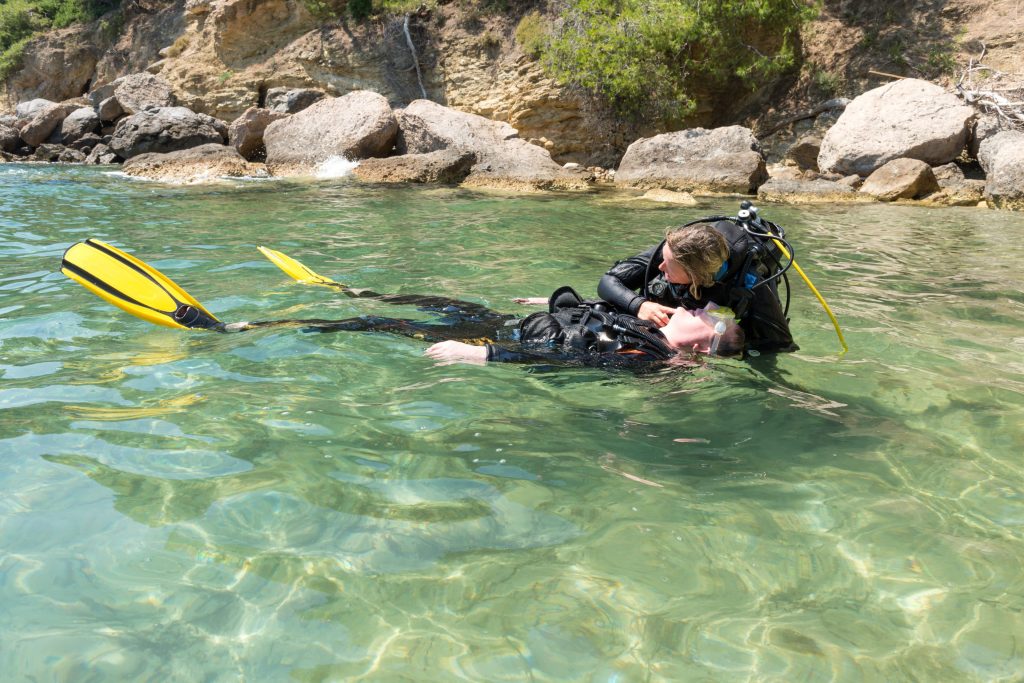
The key to a successful EAP is preparation. Having a clear plan in place means that divers and rescue personnel can act swiftly and decisively when seconds count.
Why You Need an EAP:
- Faster Response Time: Most emergencies, by their very nature, require quick action and decisions. An EAP ensures that everyone involved knows their role and how to act.
- Improved Safety: It helps reduce panic during emergencies and prevents further accidents.
- Clear Communication: An EAP provides a structured and clear way of communication between divers, dive leaders, and emergency services.
- Regulatory Requirement: Many regions legally require dive centers and instructors to have a documented emergency action plan in writing.
Steps to Creating a Dive Emergency Action Plan
It entails a sequence of actions, with each addressing the different preparedness and emergency management options available. Here’s how to create an efficient EAP for your diving operations:
1. Identify Potential Risks
It is impossible to devise an EAP without first considering the particular risks of the dive location, dive type, and the divers involved. Consider:
- Diving Site Dangers: Bottom contours, currents, tides, water life and sea conditions.
- Medical Hazards: DCS, air embolism, and diving trauma of several types.
- Equipment Malfunction: Regulator failure, computer failure, or loss of breathing gas.
- Human Factors: Diver experience, physical condition, and following the diving protocol.
Being able to identify what hazards are more likely to occur will permit you to tailor your emergency response plan to suit the needs of your dive site and group.

2. Clearly Define Principal Roles
A properly organized EAP will specify what each member of the dive team or group is responsible for. This assures that during an actual emergency, everyone involved will know their specific role and who is in charge. Typically, the following individuals have the principal responsibility or authority for ensuring the proper execution of the EAP:
- Dive Leader/ Instructor: Responsible for the overall management of the situation, making the final decision in the case of critical issues, and serving as the liaison with emergency services.
- Buddy System: Always dive with a buddy, who shall serve in small incidents and raise the alarm for grave situations.
- Safety Officer (if possible): If diving as a group, then provide a man with the post of safety officer, who will organize everything, from contacting emergency services to the well-being of equipment.
- First Aid/CPR Provider: Assign an individual, or a couple, who will provide first aid, oxygen, or CPR during the wait for rescue or emergency services.
3. Find the Nearest Medical Facilities
The success of treatment after a diving accident or injury relies on access to medical facilities as quickly as possible. Your EAP should also outline information about the nearest medical facility that is capable of treating dive-related medical conditions, such as decompression sickness. Here’s a sample of the key details you may want to cover:
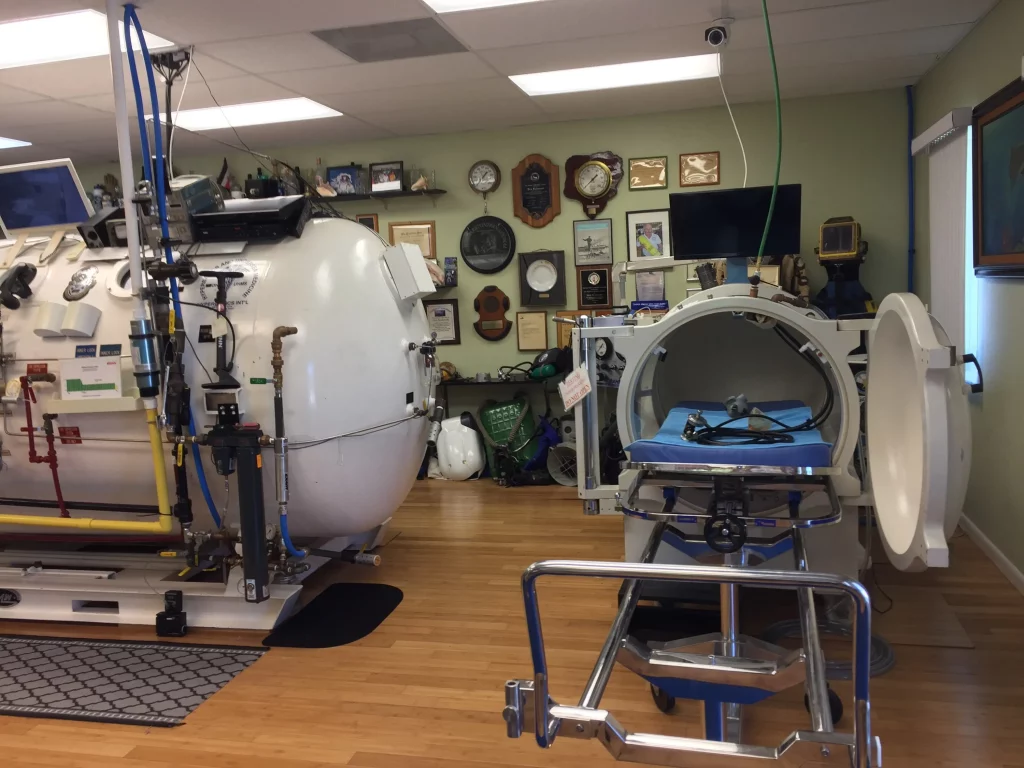
- Location and Contact Info: Address and phone numbers for the nearest hospital and hyperbaric chamber.
- Dive-Specific Medical Resources: Not all hospitals are equipped with hyperbaric chambers; therefore, it is very important to know where the closest chamber is, and what transport is necessary, helicopter for example.
- Transportation Plan: Determine the most efficient transport for the injured diver to receive medical treatment: by boat, car, or air. Keep contact numbers available for calling emergency transport services.
4. Methods of Communication
One of the key factors in any emergency is communication and to the point. The EAP should address how communication will be handled within the dive group and with others such as emergency services or medical personnel.
- Access to VHF marine radio, satellite phone, or mobile phone for calling the emergency services.
- Emergency contact numbers should include the Coast Guard and local authorities, the nearest dive centers, and hospitals.
- Hand Signals: In the event one is already in the water when the incident occurs, standard hand signals are employed by divers to indicate that there is a problem. Review the signals before the actual dive: “out of air,” “need assistance,” and “ascend.”

5. Equipment Checks and Redundancy
Ensuring all diving equipment is functioning properly is another highly critical component of any EAP. Design equipment checks both before and after dives so potential problems may be recognized before they become real emergencies.
- Pre-Dive Gear Checks: Make sure to check regulators, tanks, BCDs, dive computers, and masks very carefully before every dive. Ensure each has an alternate working air source.
- Oxygen Kit: Always carry an oxygen kit for suspected decompression sickness or any other dive-related injury.
- First Aid Kit: Keep on hand a first aid kit, stocked with materials to treat common injuries like cuts or burns, or even stings.
- Redundant Equipment: In the case of extreme dives, such as deep dives or wreck dives, take into consideration additional equipment that may be advantageous in case of any failure. Examples include a backup regulator, dive computer, or even a backup air supply (pony bottle).

6. Pre-Dive Briefing
After each dive, follow up with a short briefing, not only about the dive, but also regarding emergency procedures. In such a way, all participants will be informed of the EAP and what contribution they shall provide if something goes wrong.
Things to Stress in Pre-Dive Briefing:
- Emergency Procedure Review: Discuss the EAP, who would take control during an emergency, and how to call emergency services.
- Hand Signals: Review basic hand signals for emergencies, such as “out of air,” “need help,” “ascend,” and make sure everyone knows them.
- Entry/ Exit Points: Notice the easiest entry and exit ways to water in case of any emergency. Further notice alternative exit ways in case of blockade or hazardous conditions in your normal exit way.
- Buddy Check: Divers should always conduct a buddy check prior to entry into the water to ensure that all gear is operating properly and one’s buddies are prepared to assist in case of an in-water emergency.
7. Emergency Procedures and First Response
Your EAP must list how you will respond to a number of common dive emergencies. The more common dive emergency scenarios include:
Decompression Sickness (DCS) or Air Embolism:
- End Dive and Ascent: Make a safe ascent in a timely manner and immediately call for help.
- Administer Oxygen: Provide 100% oxygen to the affected diver during the time awaiting emergency medical attention.
- Monitor Symptoms: Keep the diver as comfortable as possible and look for the following symptoms: aching joints, dizziness, shortness of breath, and paralysis.
- Call Emergency Services: Call the local hyperbaric chamber or emergency services for immediate evacuation and treatment.
Out-of-Air Situations:
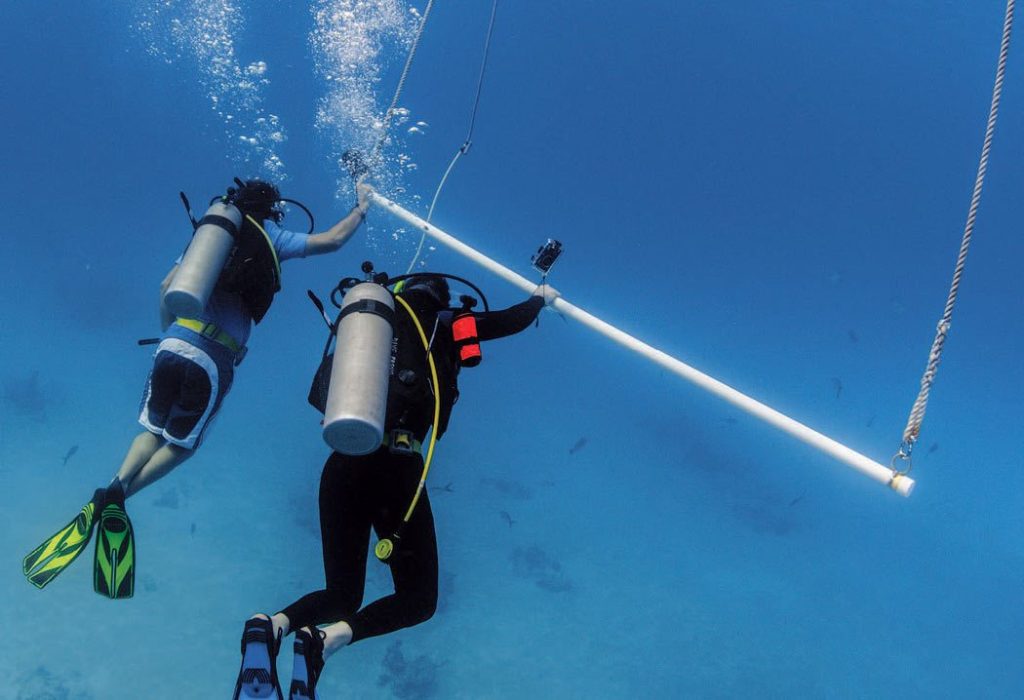
- Air Sharing: Use your octopus or alternate air source to assist the out-of-air diver while making a controlled ascent.
- Surface Assistance: Once on the surface, provide buoyancy and signal for help using a surface marker buoy SMB, whistle, or signaling device.
Evacuate to Medical Facility:
If the injury is serious, then evacuate the diver to the nearest medical facility or call for emergency transport.
Following the EAP in a Real Emergency
The availability of an EAP itself avails little if it cannot be followed properly in case of a real emergency. Here’s how the EAP should be followed correctly:
1. Stay Calm and Assess the Situation
What matters during an emergency is that the dive leader or instructor should remain composed, assess the situation correctly, and thereafter act upon it. If one begins to panic, things can continue getting worse; a clear head enables a better decision-making mind.

2. Follow the Plan
Once the situation has been assessed, follow the procedures outlined in your EAP. Brief the dive team members on their responsibilities and follow the planned communication protocols, equipment use and first aid procedures.
3. Call Emergency Services
Once the emergency services are called, one should give them detailed information, such as the number of injured divers, the symptoms, dive profiles, and coordinates. If evacuation is considered important, it should be done based on the transport plan in the EAP.
4. Post-Emergency Debrief
When the emergency has passed, conduct a debriefing session with all members. Note things that went well and areas where improvement may be made. This is very important in view of further modification of EAP for future dives and enhancements of general safety procedures.
A soundly developed Dive EAP is the sine qua non of establishing that divers and their dive leaders are competent in responding to an emergency situation without delay and with the least effort. You can contribute to safety during diving if you assess risks, assign roles, communicate protocols, and conduct ample pre-dive briefings. Since diving can never be rid of risks totally, a good EAP can make all the difference between a minor incident and a tragedy. Safe diving!