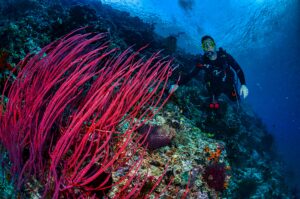
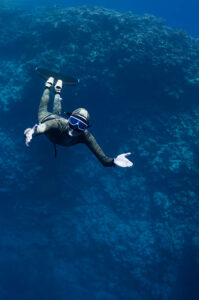
It may look serene and weightless, but scuba diving actually requires quite a good level of physical fitness. Good strength and endurance can make diving safer, more enjoyable, and less tiring-be one exploring shallow coral reefs or venturing into deep wrecks. The fact is, dive fitness is not just a matter of being strong enough to haul around heavy gear or to swim against currents; it also means having the stamina for multiple dives every day without showing signs of fatigue, all while maintaining control and comfort underwater.
This article explores the importance of dive fitness and ways to build strength and endurance for diving with practical exercises and tips on how to get in top shape for diving.
1. Why Fitness Matters in Scuba Diving
Even though you might feel weightless underwater, diving is a very physical sport. From carrying heavy dive gear around on the surface to managing your buoyancy the demands placed upon your body are not slight.

Here’s why fitness is important to diving:
Gear Transport: A scuba set can weigh up to 15 to 25 kgs (33 to 55 lbs) or even more. The diver should feel comfortable carrying that amount of weight from the dive shop to a boat or down to the shore.
Swimming Against Currents: Strong legs and core muscles mean a diver can swim efficiently and stay in position in currents. Poor fitness leads to overexertion, which then results in increased air consumption.
Endurance: One needs to have sustained energy while diving, mainly in the case of a multi-day dive trip. If you are tired from one dive, it impacts your ability to perform safely in successive dives.
Breath Control: Aerobic fitness allows for better abilities of breath control, reducing air consumption and hence decreasing the possibility of decompression sickness.
Emergency situations such as your need to help your buddy or to conduct a self-rescue are considerably less dangerous if you have not only the physical strength to deal with stressors but also the endurance.
Leg Strength: When diving, most of your work is done by the legs, whether one is finning through currents or simply swimming over long distances. Stronger legs help to move efficiently and reduce air consumption. Among the important leg muscle groups for divers are those that are used in squats, lunges, and leg presses.
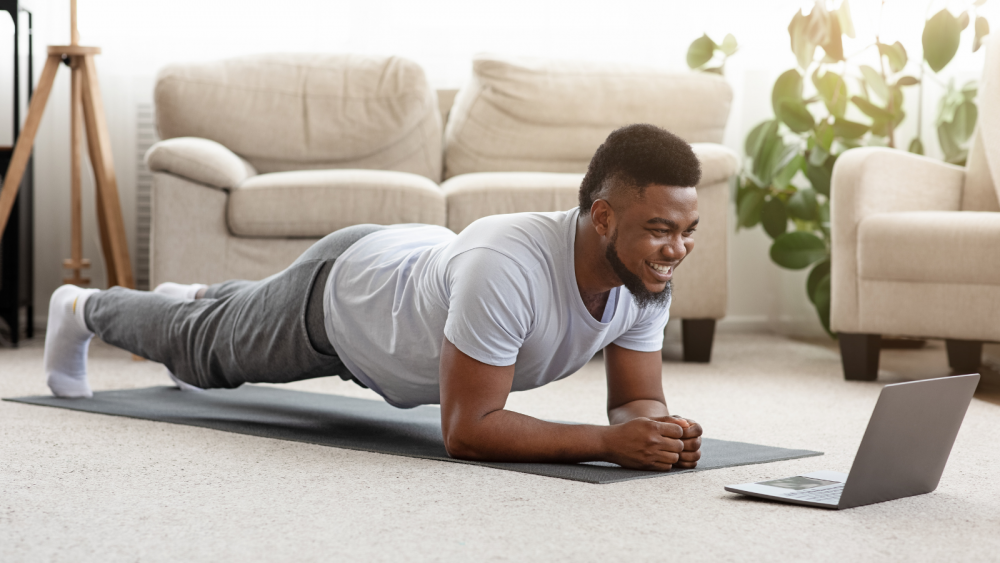
Core Strength: Stronger core muscles stabilize the body and heighten the ability to maintain and control buoyancy, a major factor in efficient movement. Planks, Russian twists, and leg raises are exercises that strengthen the abdominals, lower back, and hips to improve overall control.
Upper Body Strength: The act of hauling heavy dive gear and conducting surface work such as getting into boats or helping others around them can be exhausting. Since the arms, shoulders, and back muscles are much in use in these regards, exercises such as push-ups, dumbbell rows, and shoulder presses build such upper body strength to easily handle heavy gear.
Endurance Training
Multiple dives or prolonged dives during the day are also done well, as endurance will help. Cardiovascular endurance will enable the diver to manage stresses associated with underwater swimming and carrying equipment without becoming winded.
Cardio Exercises: Work some cardiovascular exercise into your daily routine, such as running, swimming, cycling, or rowing. Do at least 30 minutes of moderate to intense cardio three to five days a week to increase your stamina.
Interval Training: Another effective high-intensity interval training for diving is because it also reproduces those bursts of effort that a person goes through while swimming upstream or making any other sudden adjustment underwater. Do short runs at high intensity, followed by slower periods to recover as one builds cardiovascular strength.
Flexibility and Mobility
Good flexibility increases your range of motion. It makes it easier to move comfortably in your dive gear and position your body during the dive. Flexibility reduces the risk of injury both on the surface and underwater, such as when lifting heavy tanks or climbing from or into boats.
Stretching Routine: Generally, divers require routine stretching in the hips, hamstrings, shoulders, and back. Incorporate yoga or simple stretches such as hamstring stretches, hip flexor stretches, and shoulder rotations to maintain flexibility.
Dynamic Warm-Ups: Perform pre-dive dynamic warm-ups like leg swings, arm circles, and body twists to loosen muscles and prepare the body for the dive.
3. Exercise Programs to Improve Dive Fitness
Below are some of the important exercises and training that you should not miss out on in building up your body to take adequate care of the physical stress dives may cause.
1. Squats
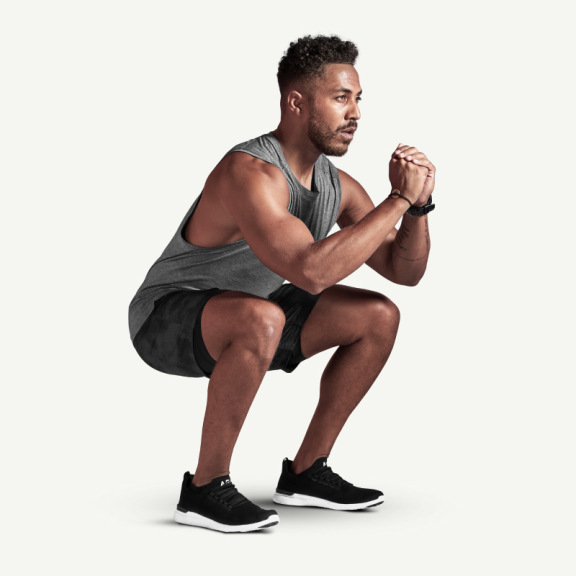
Why: Strengthens the muscles in your legs, hips, and core, similar to basic movements one has to go through at the instance of finning or maneuvering with heavy equipment.
How: Feet shoulder-width apart, shift hips back and down, as if sitting in a chair, keeping knees behind toes. Return to standing. Repeat for 3 sets of 12-15 repetitions.
2. Planks
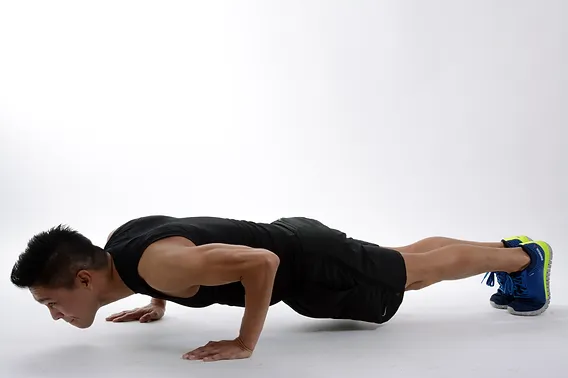
Why: Plank helps in strengthening core muscles. It improves the balance and buoyancy control of your body underwater.
How: Lie in a forearm plank position, with the body aligned from head to heels. Hold the position for 30-60 seconds, engaging the abs and keeping the hips level. Longer durations should be adopted as strength is gained.
3. Lunges
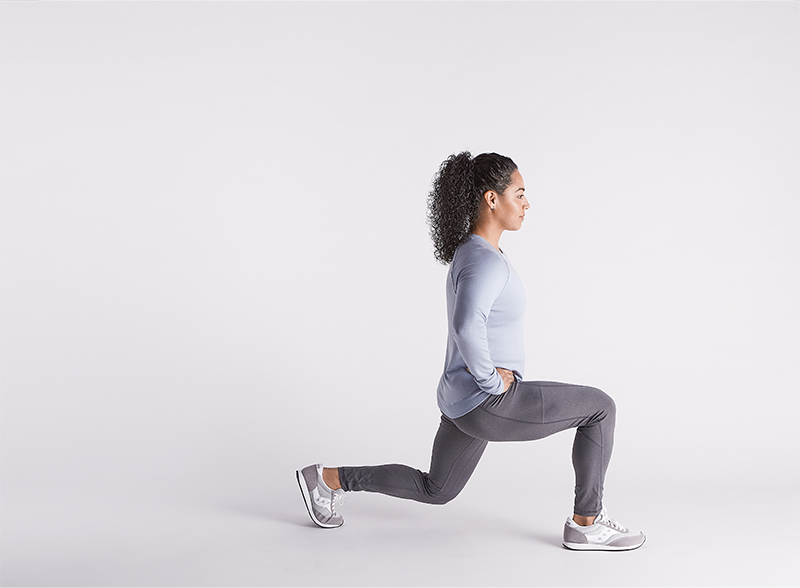
Why: Lunges work the muscles of the quads, hamstrings, and glutes, all significant in enhancing leg strength and stability for swimming.
How: Step forward with one leg, lowering the body down until both the knees are at a 90-degree angle; push back to the initial starting position. Alternate legs for 3 sets of 10-12 reps on either side.
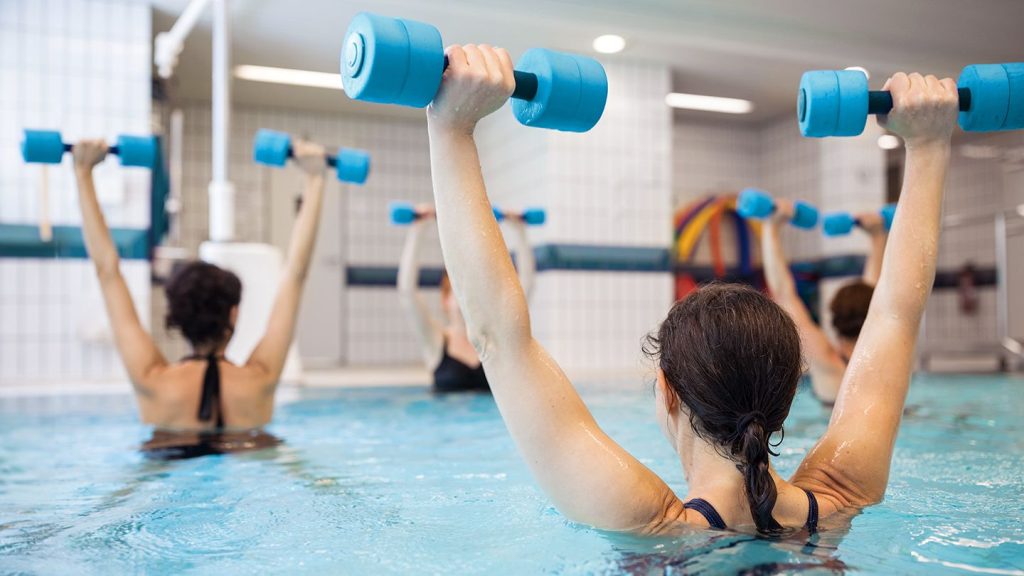
4. Swimming
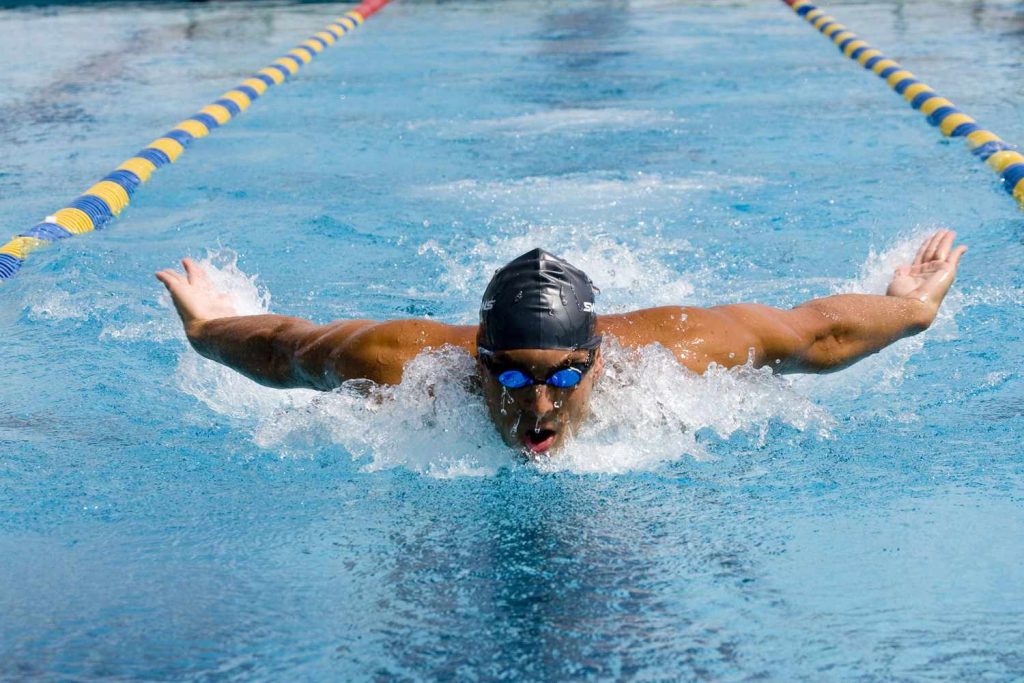
Why: Swimming is a great cardio move for divers because it reflects a lot of the movements that you will be doing in the water. It’s also a great way to build endurance and improve your breath control.
How: Swim for a minimum of 30 minutes without resting at an even pace. Keep the strokes long and controlled with a mix of freestyle and breaststroke. This will vary muscle use.
5. Push-Ups
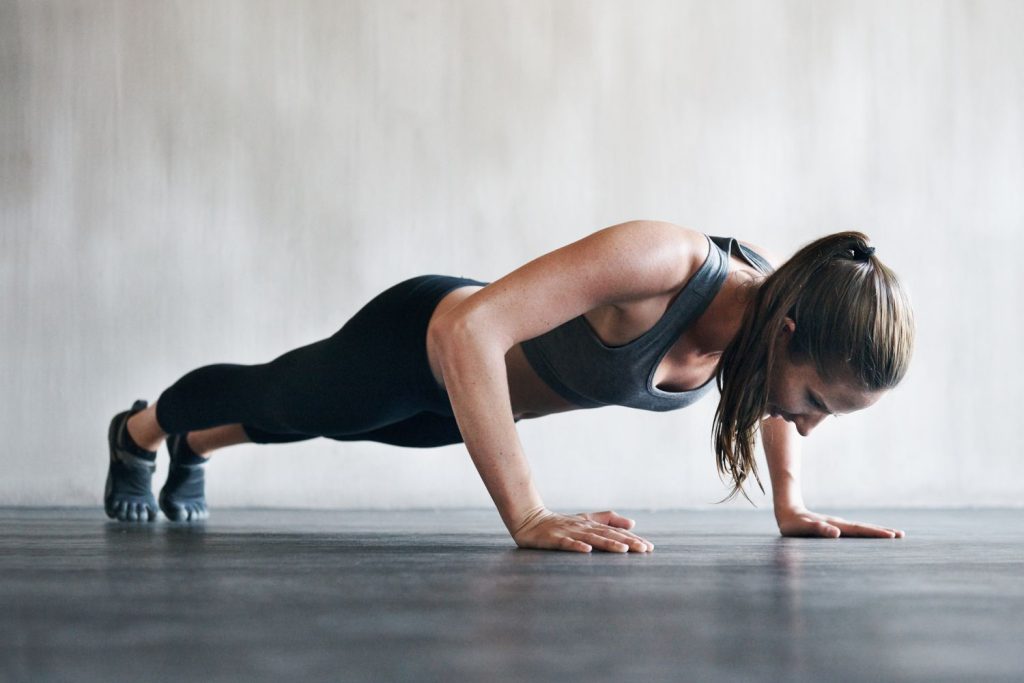
Why: Push-ups will build up muscles in your chest, shoulders, and triceps to handle heavy weights like gearing up and getting in and out of boats when diving.
How: Start in a high plank position. Lower your chest to the ground, keeping your body in one straight line, before pressing back up. Do 3 sets of 10-15 repetitions each.
6. HIIT- High-Intensity Interval Training
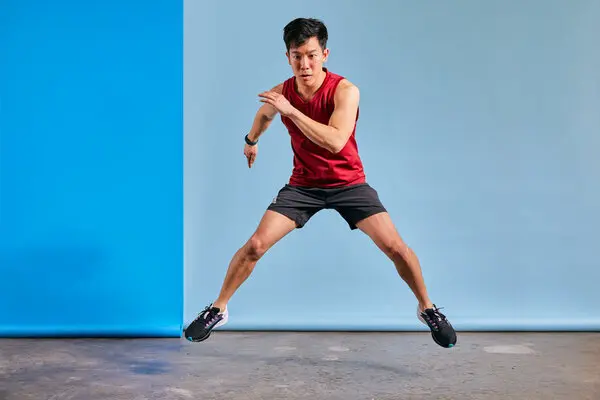
Why: It improves cardiovascular fitness, stamina, and the ability to recover more quickly immediately after bursts of exertion-an important component of diving.
How: Mix in workouts like running, burpees, or biking all-out for 30 seconds, then rest for 30 seconds. Do this for 15-20 minutes, working your way up in intensity.
4. Diving Breathing Exercises
The ability to control breathing is crucial in air-consumption management and keeping calm underwater. Incorporating breathing exercises into your program will help you enhance your lung capacity and control.
Diaphragmatic Breathing: Practice deep belly breathing to expand your lung capacity and calm your nervous system. Breathe in slowly through your nose, allowing the belly to rise, and then breathe out completely through your mouth. Practice for 5-10 minutes daily to enhance your control and efficiency underwater.
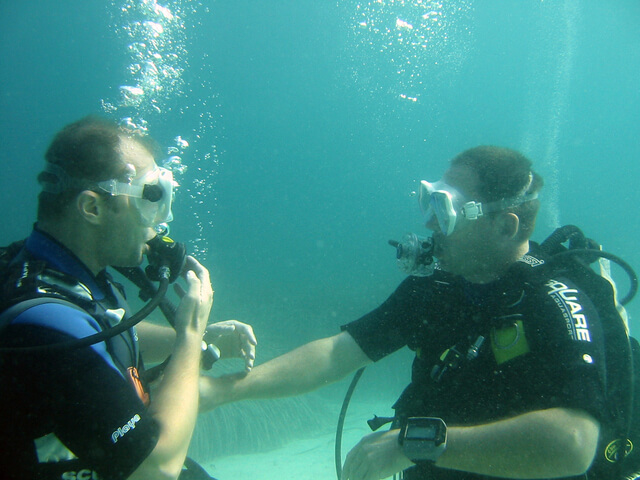
Swimming with Breath Control: For swiming sets, incorporate times of breath holding in order to simulate the pattern of breathing that you will follow while diving. Swim three strokes for example, then hold a few seconds, before exhaling and continuing.
5. Hydration and Nutrition for Dive Fitness

Hydration: Dehydration negatively impacts endurance and mental clarity on a dive and increases your chances for decompression sickness. Drink plenty of water throughout your day. Focus particularly on the period before and after diving. Restrict caffeine and alcohol intake as it increases dehydration.
Nutrition: A healthy intake of lean proteins, natural fats, and complex carbohydrates provides the fuel for physical activity. post-dive nutrition should include protein to repair muscles and refuel energy.
6. Rest and Recovery for Divers
And just as with any athlete, divers need time to rest and recover. Allow time between dives for your body to decompress and relax physically and mentally. Adequate sleep, stretching, and relaxation techniques allow your muscles time to recover, thus preventing fatigue on multi-dive or multi-day trips.
Dive fitness is more than the simple act of being able to carry your gear or swim efficiently. It’s all about strength, endurance, flexibility, and control to give you the stamina to exert power in diving but at the same time handle diving without energy depletion. Whichever type of diver you are recreational or training for a more advanced kind of working out will make diving much more comfortable, enjoyable, and sustainable in the long term. You’ll also be better equipped to deal with unexpected problems underwater and extend your diving career by ensuring you’ll be in shape.