Imagine discovering that your oxygen supply is getting dangerously low while diving into the calm depths of the ocean, surrounded by colorful coral reefs and intriguing marine life. If you haven’t carefully planned your dive, the thrill of diving may easily become a race against time. A vital tool that guarantees your underwater experiences are as exciting as they are safe is effective dive planning, which focuses on depth, time, and air usage. Your dives may become a seamless combination of breathtaking discovery and safety if you re-learn these vital skills. Join us as we dive in and learn how to improve your underwater experience by grasping these crucial dive planning components.
The Significance of Planning a Dive
The act of organizing and getting ready for a dive to make sure it’s safe and fun is called dive planning. It entails evaluating a number of variables, including the dive site, the weather, your prior diving expertise, and your physical state. The three most important components of dive planning are air consumption, duration, and depth. By being proficient in these areas, you can maximize your underwater experience, manage your dive safely, and prevent decompression sickness.
Depth Matters
Since depth directly affects so many other variables, including nitrogen absorption, air consumption, and bottom duration, it is an essential component of dive planning.
Recognizing Depth and Its Impact
-
- Pressure and Nitrogen Absorption: As you go down, the water pressure rises, which speeds up the rate at which nitrogen dissolves in your blood. This process happens more quickly the deeper you descend, raising the possibility of decompression sickness and nitrogen narcosis.
- Air Consumption: Because of the increasing pressure, you take in more air with each breath the lower you go. This implies that at deeper depths, your air supply runs out more quickly.
Organizing for Depth
-
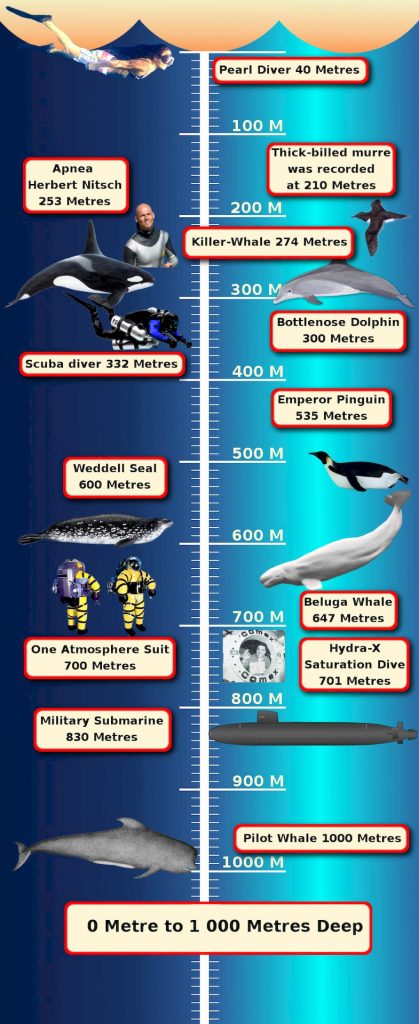
- Maximum Depth: Depending on your degree of qualification and expertise, decide how deep you want to go. Respect the boundaries established by PADI and NAUI, among other dive organizations.
-
- Gradual Descent and Ascent: Plan for a gentle drop to give your body time to adjust to the strain. Similarly, for a steady ascent. In a similar vein, schedule a gradual rise and incorporate safety breaks to release nitrogen gas.
Time Management
In order to prevent decompression sickness and guarantee a safe return to the surface, time management is essential when diving.
Time at the Bottom
-
- No-Decompression Limits (NDL): To determine your no-decompression limits, use a dive computer or dive tables. This is the longest you can stay at a particular depth without having to make decompression pauses while climbing.
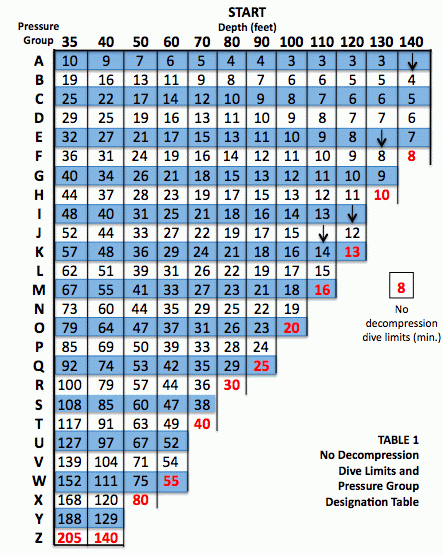
- Dive Time: Schedule your entire dive time, taking into account the climb, descent, and bottom times. To make sure you don’t go over the allotted bottom time, have a buffer.
Surface Ranges
-
- Rest Periods: Give yourself enough time on the surface in between dives to lower your body’s nitrogen levels. This is particularly crucial if you intend to do several dives in one day.
Air Usage
To make sure you have enough air to finish your dive safely, it’s important to monitor and control your air consumption.
Finding the Air Consumption
- Calculate your Surface Air Consumption (SAC) rate or the volume of air you take in each minute at the surface. You can compute this by keeping an eye on how much air you use during a regulated dive.
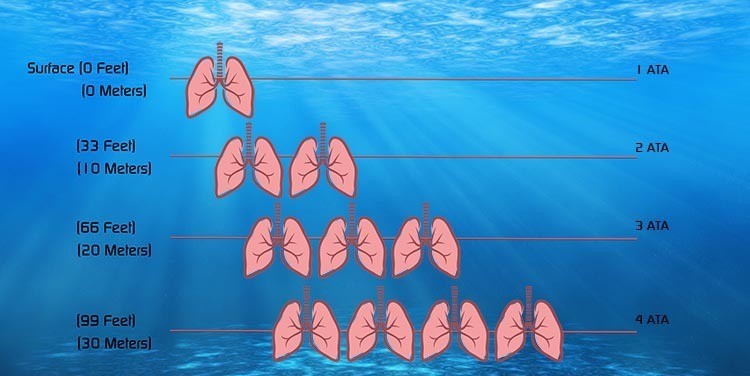
- Modified Air Consumption: Modify the SAC rate according to depth. Utilize the following calculation, as air consumption rises with depth: Air Consumption at Depth = SAC Rate × (Depth in ATA + 1).
Organizing Your Air Supply
- Reserve Air: Make sure your tank has a minimum of 500 psi (or around 50 bar) of reserve air when you want to conclude your dive. This guarantees you have adequate oxygen to handle any unforeseen circumstances and a safe climb.
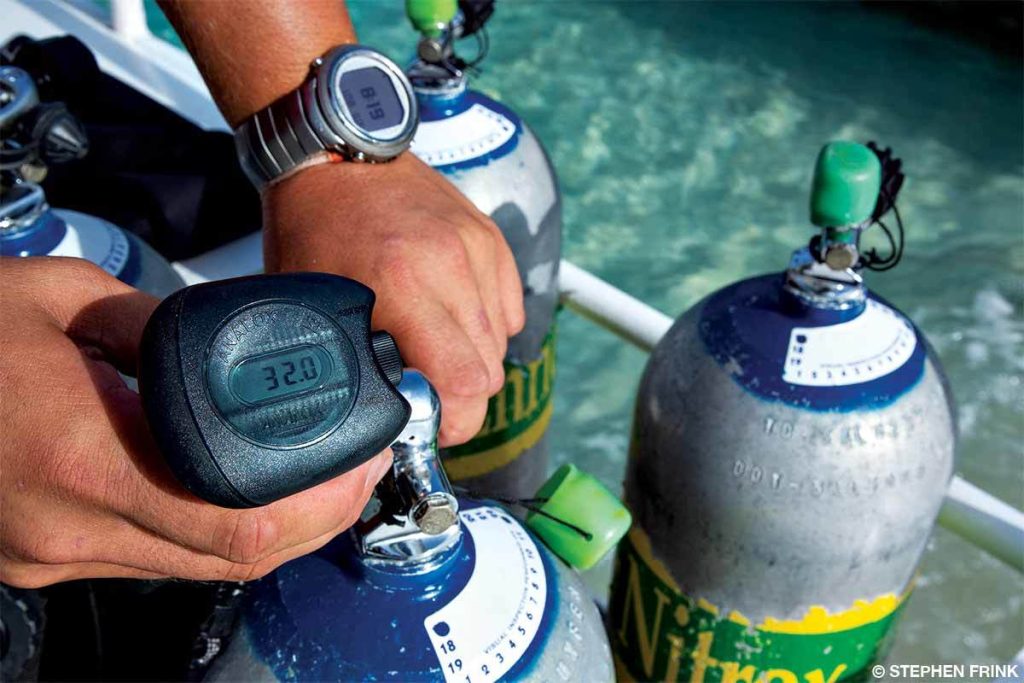
- Air Management strategy: Make sure your dive briefing has a thorough air management strategy. Throughout the dive, make sure you and your dive partner have enough air by checking your air supply frequently and communicating with each other.
Useful Advice for Dive Planning
-
Dive Briefing: With your friend, do a comprehensive dive briefing. Talk about the dive plan’s depth, timing, air control, entrance and exit locations, and emergency protocols.
-
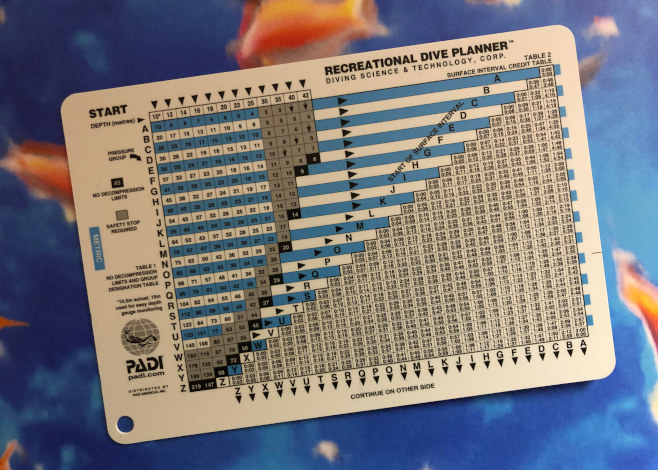
Utilize Dive Tables and Computers: Learn how to operate a dive computer and get familiar with dive tables. You may follow your dive profile, compute no-decompression limits, and keep an eye on your ascent rate with the aid of these tools.
-
Buddy System: Dive with a friend at all times. Throughout the dive, be in constant contact with one another so that you may help one another out if necessary.
Divers of all skill levels should retrain in efficient dive planning procedures. You may guarantee a safe and pleasurable dive by carefully weighing depth, duration, and air usage. Recall that responsible underwater exploration requires careful planning and following diving schedules. In order to maximize your underwater experiences, always put safety first and prepare thoroughly, regardless of whether you are diving in a known location or experiencing new seas. Happy and safe diving!