The capacity to install and remove the buoyancy control device (BCD) underwater is one such competence that is essential to open water scuba diving training. A diver’s lifeline, the BCD enables them to easily manage buoyancy and climb or descend. Nonetheless, there are instances in which a diver might have to take their BCD off while submerged, including in an emergency or when something breaks. Being proficient in BCD removal not only gives divers the ability to handle these kinds of situations well, but it also gives them a sense of confidence and readiness that improves their whole diving experience. We will discuss the significance, methods, and practice of being proficient at BCD removal underwater in this section. We hope to clarify why this ability is essential for scuba divers of all experience levels, from comprehending its relevance in diver safety to examining the detailed procedure and the value of consistent practice.
The Significance of Underwater BCD Removal
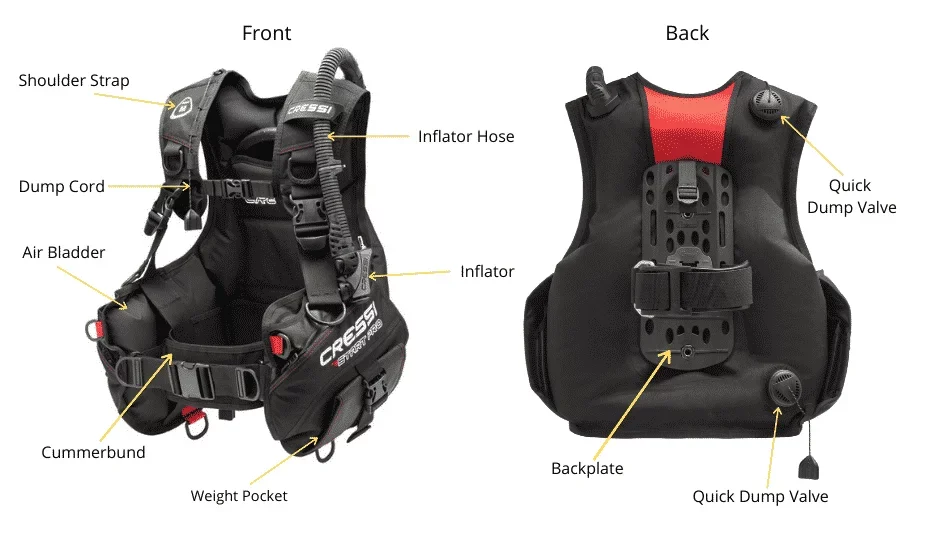
By changing the volume of air in the jacket, divers may regulate their buoyancy with the help of the buoyancy compensator (BCD), an essential piece of equipment for scuba diving. Nonetheless, there are times when a diver has to take their BCD off while submerged, including in an emergency situation involving entanglement or malfunctioning equipment. Being skilled in BCD removal improves a diver’s capacity to handle these kinds of scenarios, lowering anxiety and guaranteeing a safe result.
Furthermore, divers gain confidence by mastering BCD removal underwater, increasing their sense of competence and readiness to face unforeseen obstacles. As divers gain more awareness of their equipment and its functioning, it also encourages improved dive planning and risk management.
Methods for Removing BCD:
Removing BCD underwater requires a set of actions that must be carried out calmly and confidently. An overview of the method that is often taught in open-water scuba diving courses is as follows:
-
Signal: Underwater, communication is essential. Divers should clearly announce their desire to remove their BCD with their buddy before beginning the process.
-
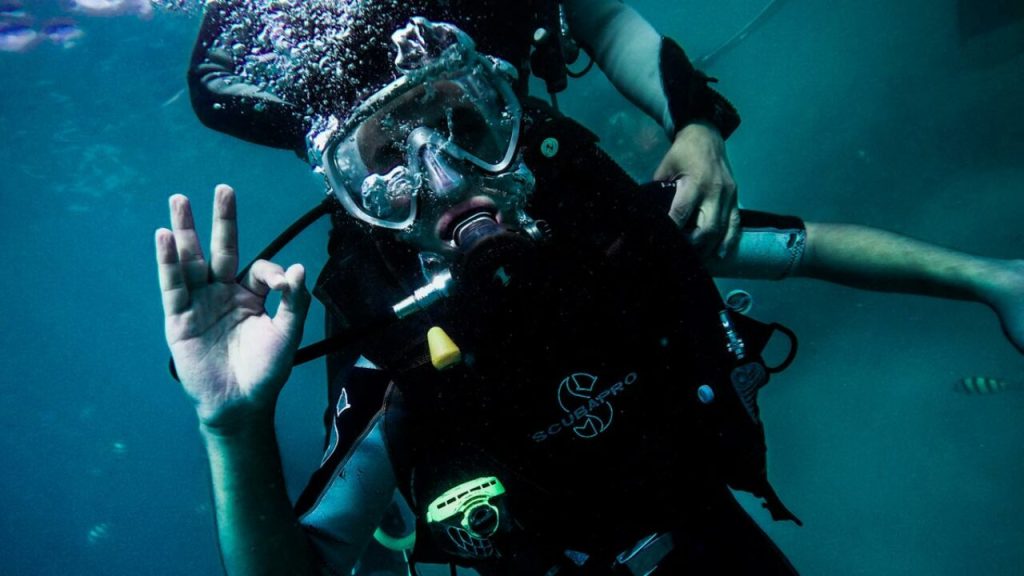
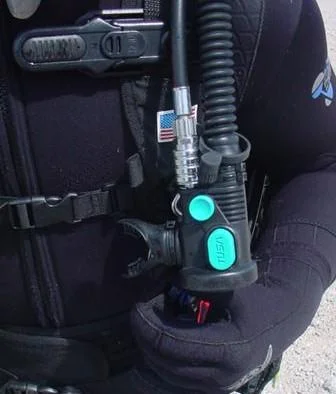
Securing an Alternate Air Source: Before removing the BCD, be sure that both divers, if diving with a buddy, have secured their alternate air sources (octopus regulators).
-
Deflate BCD: To attain neutral buoyancy, expel all air from the jacket using the BCD’s deflation mechanism.
-
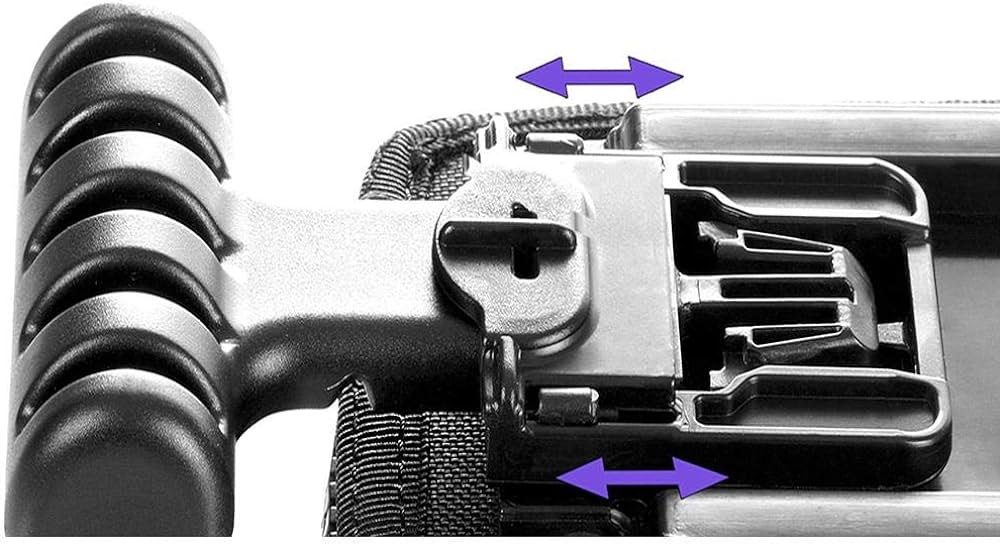
Lock Weight System: To avoid unintentional weight loss, make sure the integrated weight system on the BCD is safely secured.
-
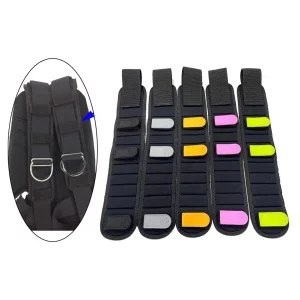
Release Shoulder Straps: While keeping control of the apparatus, gradually release the BCD’s shoulder straps.
-
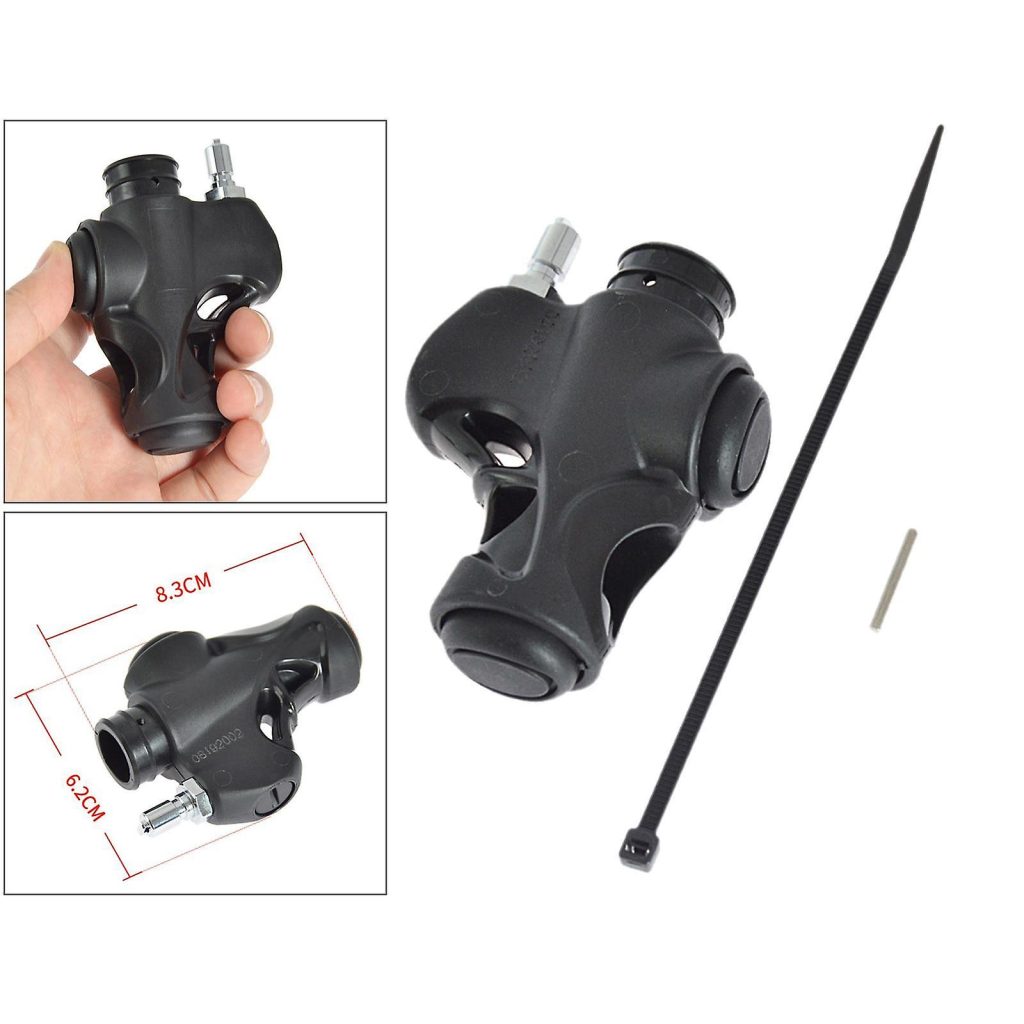
Slide Arms Out: Loosen the shoulder straps and then remove one arm from the shoulder harness at a time.
-
BCD removal: Raise the BCD of the body, making sure it’s always within reach and under control.
-
Stow BCD: Divers may decide to hold the removed BCD in their hands or attach it to their harness, depending on the circumstances.
-
Sustain Neutral Buoyancy: To prevent needless ascent or descent, divers should maintain neutral buoyancy at all times.
-
Reinstall BCD: Divers can use the opposite removal process to fasten and reinstall the BCD when the problem has been addressed or upon reaching the surface.
Practice and Proficiency:
BCD removal underwater takes repetition and practice, just like any other scuba diving skill. BCD removal training sessions are usually included in open-water scuba diving courses. This allows divers to become comfortable with the technique in controlled settings before using it in actual situations.
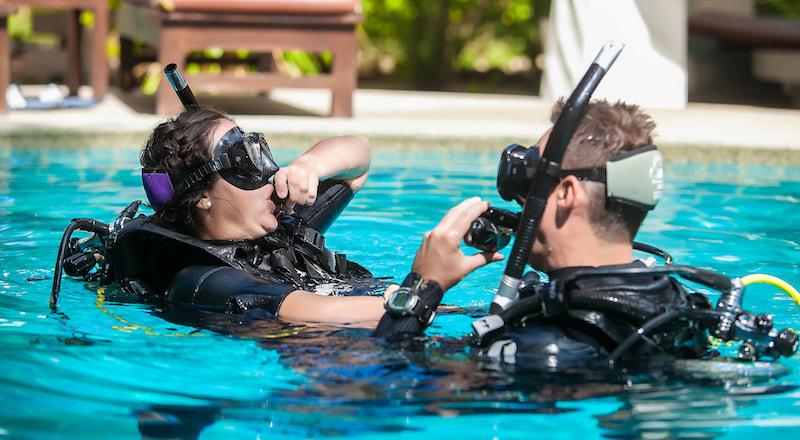
Divers are advised to routinely practice BCD removal throughout their dives in addition to receiving official instruction, particularly in situations where visibility or currents may provide extra difficulties. By practicing simulated emergency drills with dive companions, divers may enhance their muscle memory and collaboration, so equipping them to respond appropriately in high-stress scenarios.
It is our duty as stewards of the seas and protectors of the undersea environment to take on the challenge of learning vital diving techniques like BCD removal. We may build a community of skilled and self-assured divers who appreciate and preserve the delicate ecosystems that live there in addition to exploring the depths with skill devotion and a commitment to continuous study. Remember the value of mastering BCD removal underwater whether you’re taking an open water course for the first time or want to take your diving to new heights. Not only is it a talent, but it’s a lifeline, an indication of our willingness to explore, and a commitment to respect the safety and stewardship values that make scuba diving what it is. Happy and safe diving!