The Underwater Metal Detector Technology
Structure and Elements
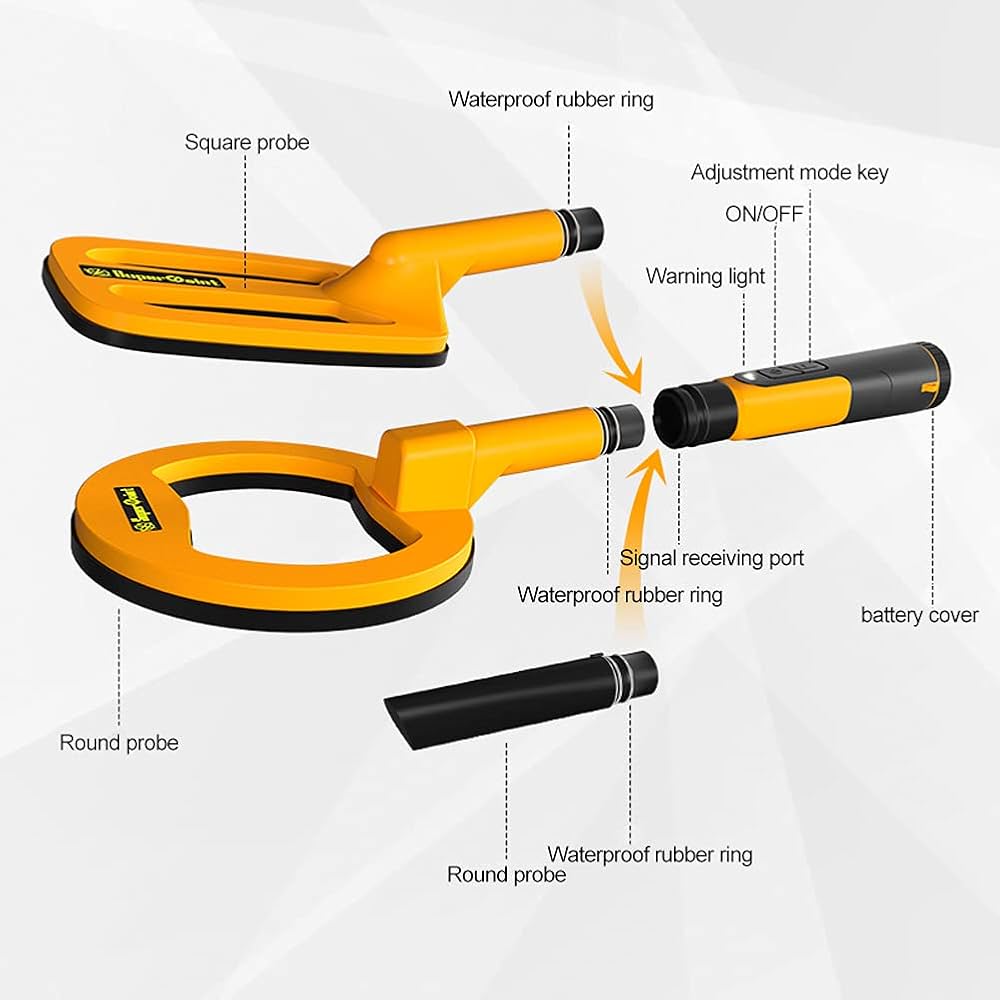
Underwater metal detectors are made specifically to work in harsh maritime settings. Important characteristics consist of:
- Waterproof Housing: This guarantees that the gadget works properly down to a variety of depths, frequently 200 feet or more.
- Seawater and Freshwater Compatibility: Certain models are made to fit particular conditions, while others are made to withstand the high mineral content of seawater.
- Discrimination modes: These minimize the possibility of unearthing undesired objects like bottle caps and nails by enabling users to distinguish between different types of metals.
- Pulse Induction (PI) and Very Low Frequency (VLF) technologies: VLF detectors provide higher discriminating capabilities, whereas PI detectors are more suited for saltwater conditions due to their deeper penetration.
Strategies for Effective Underwater Metal Detection
Getting Ready and Making Plans
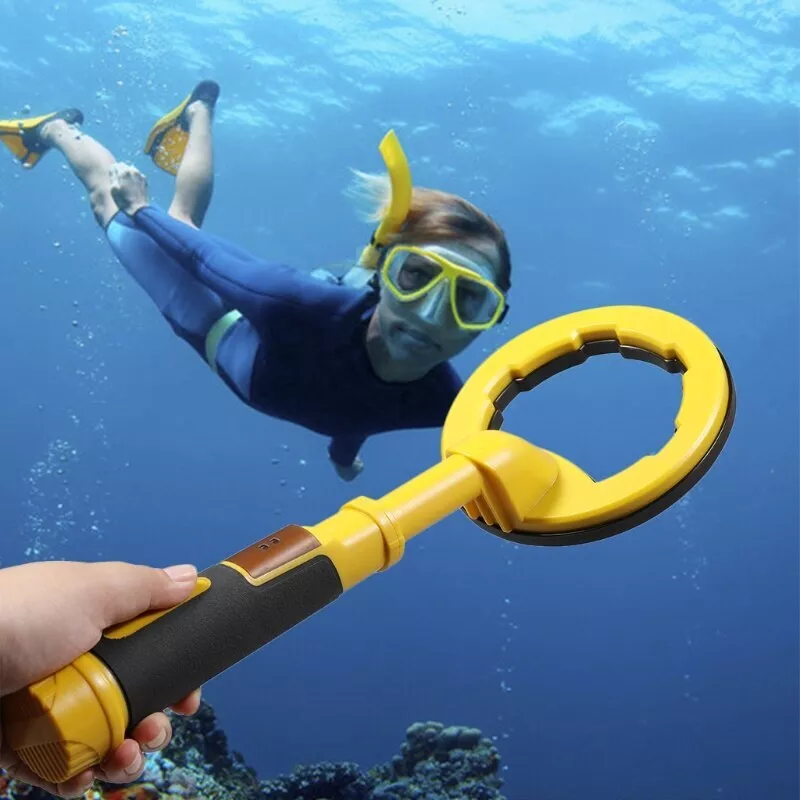
Effective submerged metal detection begins well in advance of actually entering the water. Getting ready entails:
- Research: Look into trade routes, past shipwrecks, and other possible treasure locations. Records, old maps, and folklore from the area might offer insightful information.
- Equipment Check: Make that the metal detector and all of the diving equipment are in excellent operating order. It’s important to properly inspect the functioning, watertight sealing, and battery life.
Detecting and Diving
Certain methods might increase your odds of finding important stuff while you’re in the water:
- Step by step and at a steady pace to give the detector enough time to cover the entire area. Swift motions may cause possible targets to be overlooked.
- Grid Patterns: To thoroughly cover the region, use grid patterns for your search. By doing this, the search zone is certain to be completely covered.
- Master the art of deciphering the signals that your metal detector sends out. A metal’s size, depth, and kind may all be determined by its many tones and intensities.
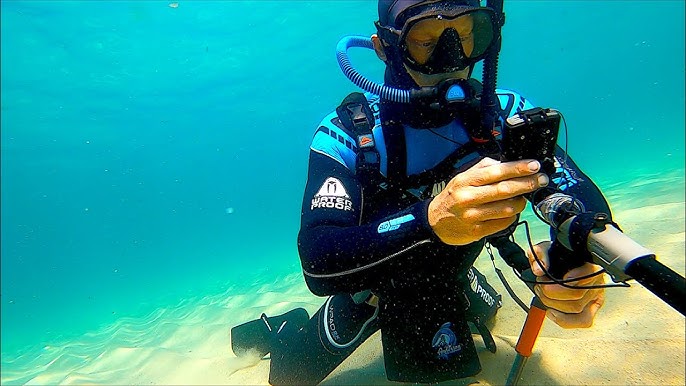
Recuperation and Conservation
Locating an object is only the first step. It’s critical to restore and preserve properly:
- Gentle Retrieval: Carefully remove objects without causing damage with a little hand shovel or scoop.
- Cleaning & Rinsing: To get rid of salt and other corrosive substances, rinse antiques in fresh water. Steer clear of aggressive cleaning techniques that might harm sensitive goods.
- Documentation: Make a note of each find’s location and circumstances. Records pertaining to history and archaeology may find this material useful.
Amazing Findings
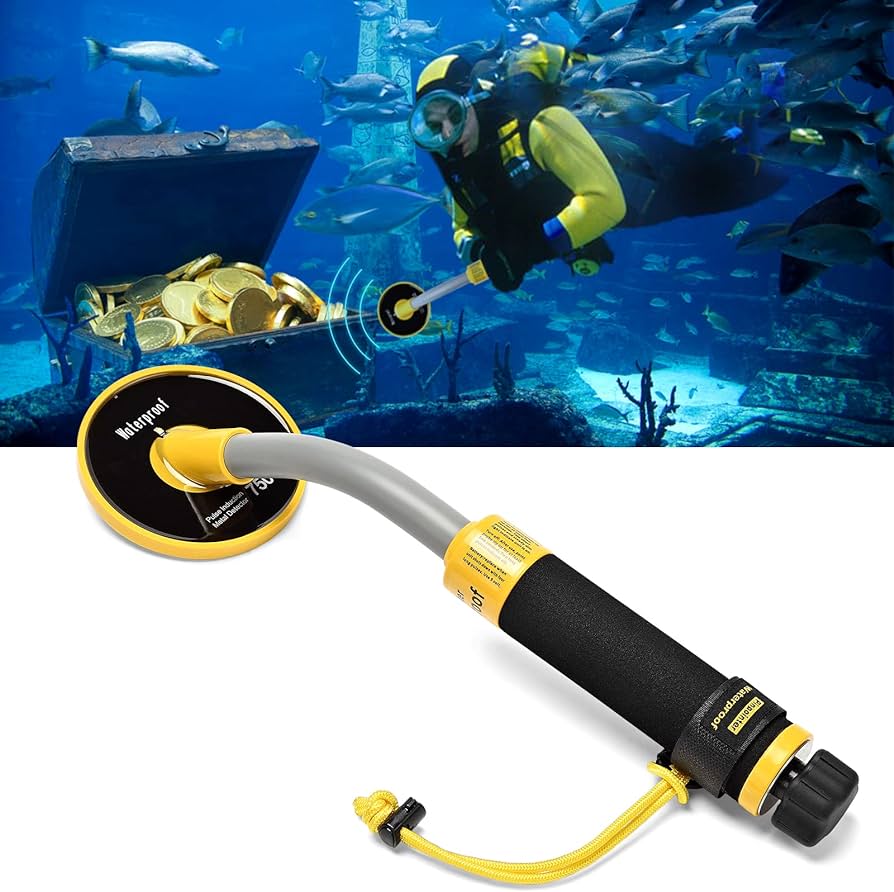
Using underwater metal detectors for diving has produced a number of fascinating findings, such as:
- Shipwrecks: Underwater metal detectors have aided in the discovery and exploration of many shipwrecks, ranging from historic galleons to World War II boats.
- Treasure Chests: Stories about sunken treasure chests containing goods like diamonds and money, as well as buried pirate booty, never cease to pique people’s curiosity.
- Historical Artifacts: Commonplace objects from several eras, such as tools, weaponry, and personal effects, provide insight into the lives of people who lived hundreds of years ago.
A Legal and Ethical Perspective
Laws
It is important to comprehend the legal framework that governs underwater metal detection before diving with one of these devices:
- Permissions & permissions: Underwater metal detecting requires permissions in many places, particularly in protected areas and historic sites.
- Ownership and Salvage Rights: Recognize your legal rights in relation to found property. Treasures occasionally belong to the state or the ancestors of the original owners.
Moral Conduct
One aspect of responsible treasure-seeking is following moral standards:
- Respect Protected Sites: Refrain from conducting unauthorized detection in areas designated as archeological sites or marine protected zones.
- Reduce your influence on marine ecosystems in order to preserve the environment. Keep undersea environments and marine life undisturbed.
- Share Findings: If you come across something noteworthy, think about donating it to a museum or university for research and public exhibition.
Combining the thrill of treasure seeking with the adrenaline of scuba diving, underwater metal detector diving offers up a world of adventure. Enthusiasts can discover the hidden gems beneath the waves with the correct tools, methods, and adherence to moral and legal standards. Discovering forgotten treasures or historical objects, the expedition promises not only personal benefits but also advances our grasp of maritime history as a whole. Happy and safe diving!