Scuba diving is an exhilarating sport, but like any activity in a potentially hazardous environment, it requires preparation and precaution. One critical aspect of dive safety is **equipment redundancy**—having backup systems in place in case your primary gear fails. This strategy ensures that should an emergency occur underwater, you have a reliable way to handle it without jeopardizing your safety or that of your dive buddy. In this article, we’ll explore the importance of equipment redundancy and the key strategies divers can use to ensure they’re well-prepared for any unexpected situations.
Why Equipment Redundancy Matters
The underwater environment can be unforgiving, and mechanical failures in life-support systems, like your air supply or dive computer, can pose serious risks if not handled properly. Equipment redundancy provides an essential safety net by offering backups for key pieces of gear. This is particularly important in advanced diving situations such as deep, technical, or cave diving, but redundancy is also beneficial for recreational divers.
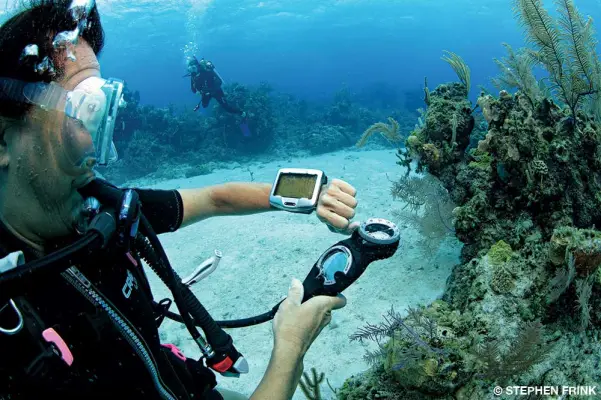
Common Scenarios Where Redundancy is Critical:
- Regulator Malfunctions: If your primary regulator fails, having a backup ensures you can still breathe and make a safe ascent.
- Dive Computer Failure: Losing the ability to monitor depth, time, and decompression limits can lead to dangerous mistakes, such as ascending too quickly.
- Air Supply Issues: A problem with your tank or valve can leave you without air unless you have a secondary source.
- Lighting Failure (in Low Visibility Dives): In night or cave dives, losing your light source can make it impossible to navigate or signal your buddy.
Redundancy is about being prepared for the unexpected and maintaining control of your dive, even in challenging circumstances.
Key Redundant Equipment Systems
1. Second Regulator (Alternate Air Source or Octopus)
One of the most important pieces of redundant equipment for any diver is a **second regulator**, often referred to as an **octopus** or **alternate air source**. This is a backup to your primary regulator in case it fails or becomes unavailable. It can also be used to share air with a buddy in an emergency.
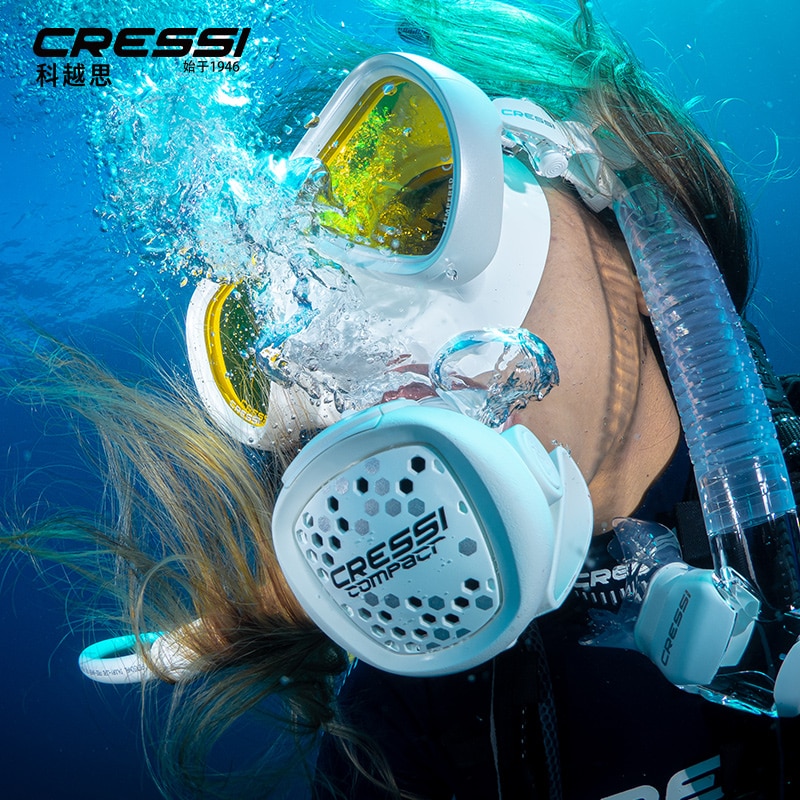
Benefits of a Second Regulator:
- Emergency Air Sharing: In case a diver runs out of air, the octopus allows for safe air sharing during an ascent.
- Primary Regulator Failure: If your primary regulator malfunctions or becomes damaged, you can switch to your octopus without needing to surface immediately.
Best Practices for Using a Second Regulator:
- Proper Placement: Keep your second regulator easily accessible, usually clipped to your BCD (buoyancy control device) in a place that both you and your dive buddy can reach.
- Regular Maintenance: Like your primary regulator, your octopus should undergo regular maintenance and inspection to ensure it’s in working order.
- Practice Air-Sharing Drills: Regularly practice using your octopus with your dive buddy to make sure both of you are comfortable with air-sharing procedures in case of an emergency.
2. Redundant Air Supply (Pony Bottle or Spare Air)
For more advanced dives or those at deeper depths, some divers carry a **pony bottle** or **Spare Air** system. This is a small, independent air tank equipped with its own regulator, providing an entirely separate source of breathing gas.
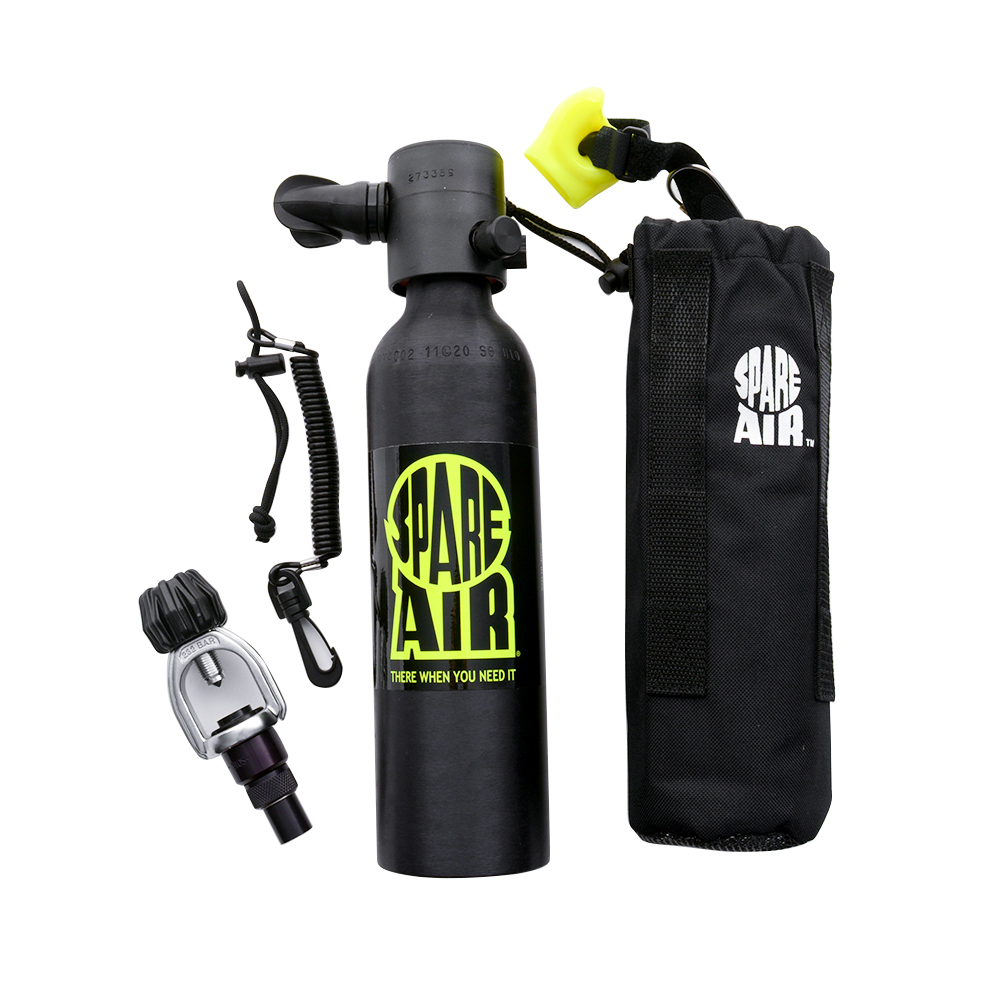
Benefits of a Redundant Air Supply:
- Independent Backup: A pony bottle or Spare Air offers an independent air source in case of a complete failure of your main tank.
- Extended Safety Buffer: In the event of an air supply problem, a redundant air source gives you extra time to manage the situation and make a controlled ascent.
Best Practices:
- Right Size for the Dive: Ensure that your pony bottle or redundant air system is large enough for the dive you’re doing. Deeper or more complex dives require larger backups.
- Easy Access: Position the pony bottle so it’s easy to reach in an emergency. Many divers mount it to their BCD or back tank for quick access.
- Know When to Use It: A redundant air supply is not meant to extend your dive time—it’s for emergencies only. Treat it as a last resort, not as an extra tank for leisure.
3. Backup Dive Computer
Dive computers track essential information such as depth, time underwater, and no-decompression limits. A malfunctioning dive computer can lead to serious issues, like unknowingly exceeding your no-decompression limit or ascending too quickly. Having a **backup dive computer** ensures that you can still track your dive profile accurately in case your primary computer fails.
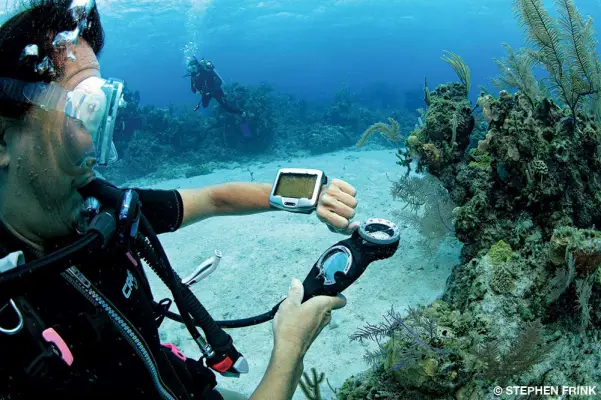
Benefits of a Backup Dive Computer:
- Accurate Dive Information: A backup computer allows you to continue monitoring critical dive data, ensuring that you can make safe decisions regarding ascent and decompression.
- Redundancy for Complex Dives: On deep or technical dives, where decompression stops are crucial, a backup dive computer can be a lifesaver.
Best Practices:
- Set Both Computers Before the Dive: Make sure both your primary and backup computers are calibrated and set for the dive profile you’re doing, especially if you’re using enriched air (Nitrox).
- Wear it on the Opposite Side: Wearing your backup computer on the opposite wrist or attaching it to your BCD can make it easier to check in case of primary failure.
- Use Different Brands or Models: Some divers prefer to use a different model for the backup, in case one brand experiences specific issues. However, make sure both are easy for you to read and operate.
4. Redundant Lights
When diving in low visibility, at night, or in overhead environments like caves and wrecks, having **backup lights** is crucial. A primary light can fail due to a drained battery or mechanical issue, leaving you in complete darkness.
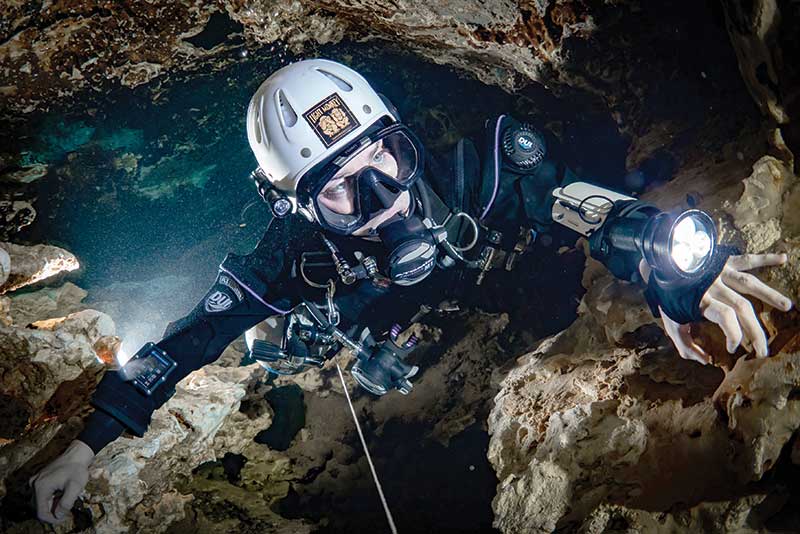
Benefits of Redundant Lights:
- Continued Navigation: If your primary light fails, a backup light ensures you can still see and safely navigate your way out of the dive site.
- Signal Your Buddy: In the event of a light failure, you need to signal your buddy to stick together or ascend. A backup light ensures you can still communicate underwater.
Best Practices
- Carry at Least Two Backup Lights: Divers should carry at least one small handheld light and a second backup, particularly in environments where light is essential for safety.
- Check Batteries Pre-Dive: Always check your primary and backup lights before entering the water to ensure batteries are fully charged.
- Keep Accessible: Attach your backup light to your BCD or store it in a pocket where it can be easily reached during an emergency.
5. Backup Mask
Although not common among all recreational divers, some advanced divers carry a **backup mask** in case of mask loss or failure. Losing a mask underwater can impair visibility and lead to panic, especially in strong currents or challenging environments.
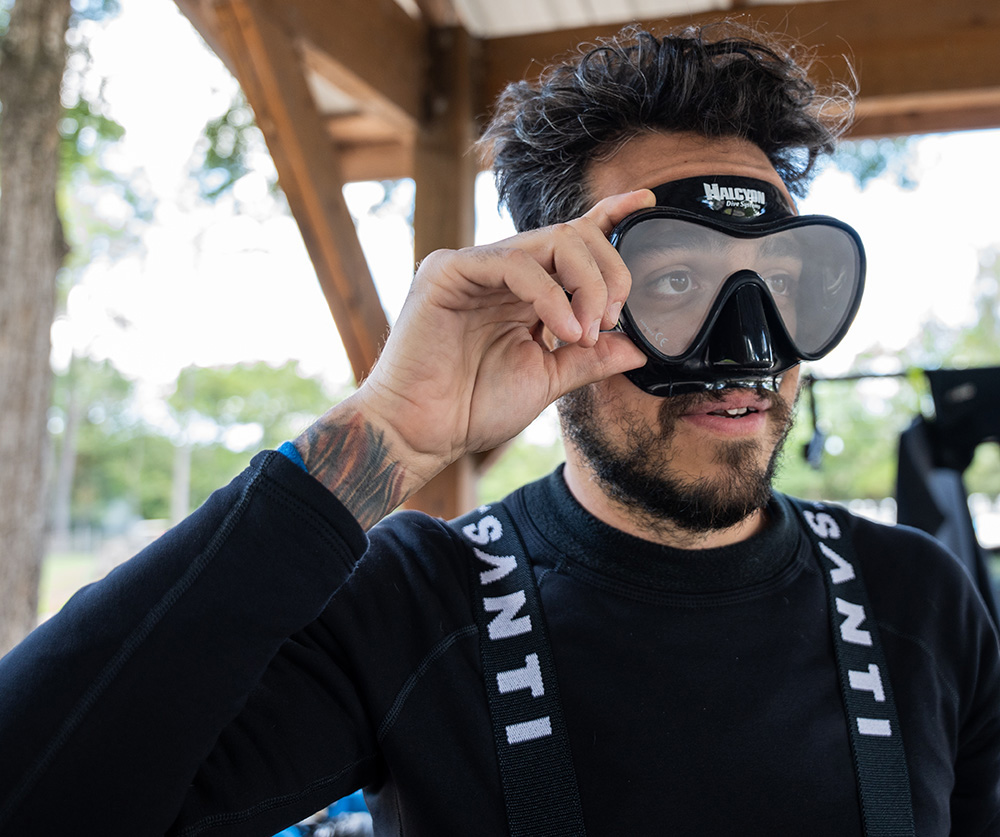
Benefits of a Backup Mask:
- Avoid Diving Blind: Losing your mask, especially in current or deep dives, can create dangerous situations. A spare mask allows you to continue the dive safely.
- Stress Reduction: Knowing you have a backup mask can reduce anxiety and give you confidence during challenging dives.
Best Practices:
- Compact Design: Choose a compact, foldable backup mask that can be easily stored in a BCD pocket.
- Regular Checks: Ensure the backup mask is in good condition and fits properly.
Planning for Redundancy: Essential Dive Safety
Dive Planning and Gear Checks
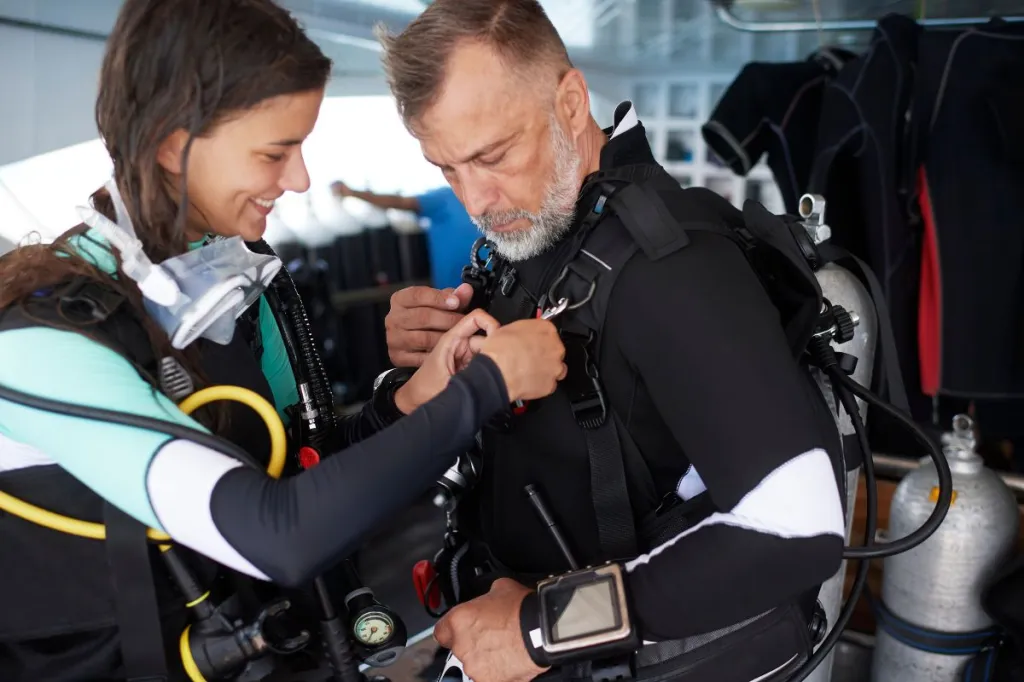
Proper dive planning and equipment checks are key to ensuring your redundant systems are functional. Before every dive:
- Test Your Gear: Verify that both primary and backup systems (such as regulators, computers, and lights) are functioning correctly.
- Communicate with Your Buddy: Make sure your dive buddy knows where your redundant systems are located and how to access them if necessary.
- Plan for Emergencies: Review emergency procedures with your dive buddy, including air-sharing drills and how to handle equipment failures.
Know When Redundancy Is Critical
Certain types of diving require more robust redundancy than others. Technical, deep, wreck, cave, and ice diving all present higher risks, and divers in these environments often carry multiple backups. Even in recreational diving, though, having a second regulator or backup computer can prevent minor issues from becoming major emergencies.
Equipment redundancy is a key principle of safe scuba diving. By carrying backup systems like a second regulator, redundant air supply, or dive computer, you ensure that unexpected equipment failures don’t lead to dangerous situations. Whether you’re a recreational diver or an advanced diver venturing into challenging environments, redundancy offers peace of mind and an essential safety net for all your underwater adventures. Always remember: when it comes to diving safety, having a backup is not an option—it’s a necessity.