Envision feeling weightless as you glide over the aquatic world with ease, surrounded by colorful marine life and surreal scenery. Open-water scuba diving classes teach students the technique of underwater swimming, which helps them achieve this sensation—it’s not simply a dream. Fundamental to this proficiency are the concepts of buoyancy and trim, where pupils acquire the ability to precisely regulate their motions and attain a smooth balance between their body and surroundings. The secrets of exploring the ocean’s delights while protecting its fragile ecosystems are revealed to participants in these seminars as they delve deeply into the principles of buoyancy control devices (BCDs), breathing exercises, and streamlined positions.
The Secret to Easy Floating: Comprehending Buoyancy
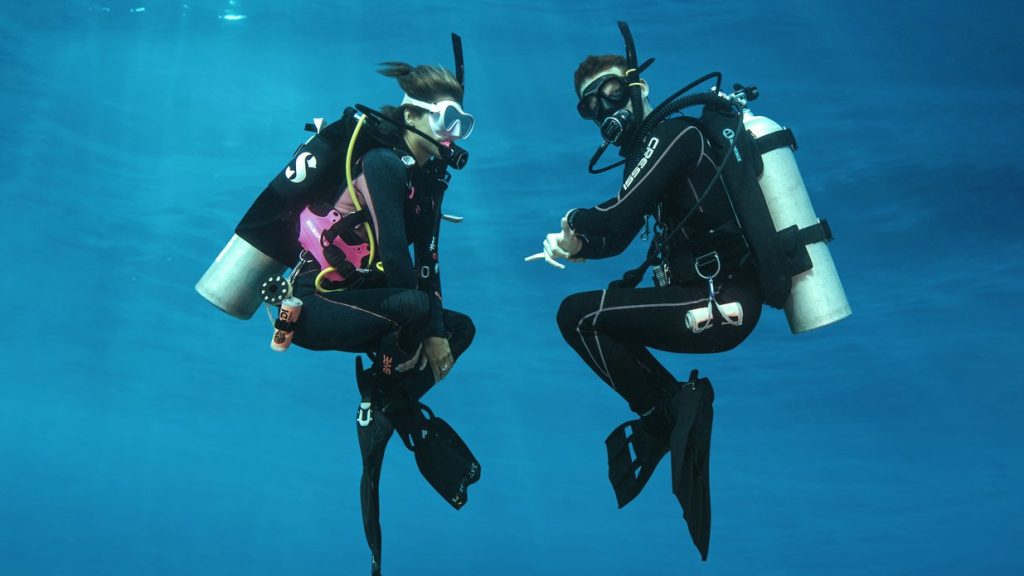
Divers can float smoothly in the water column because of a force known as buoyancy. For a dive to be effective, the diver must achieve neutral buoyancy, which allows them to float in the water without rising or falling. Students learn to regulate their buoyancy in open-water courses by utilizing a variety of tools and body movements.
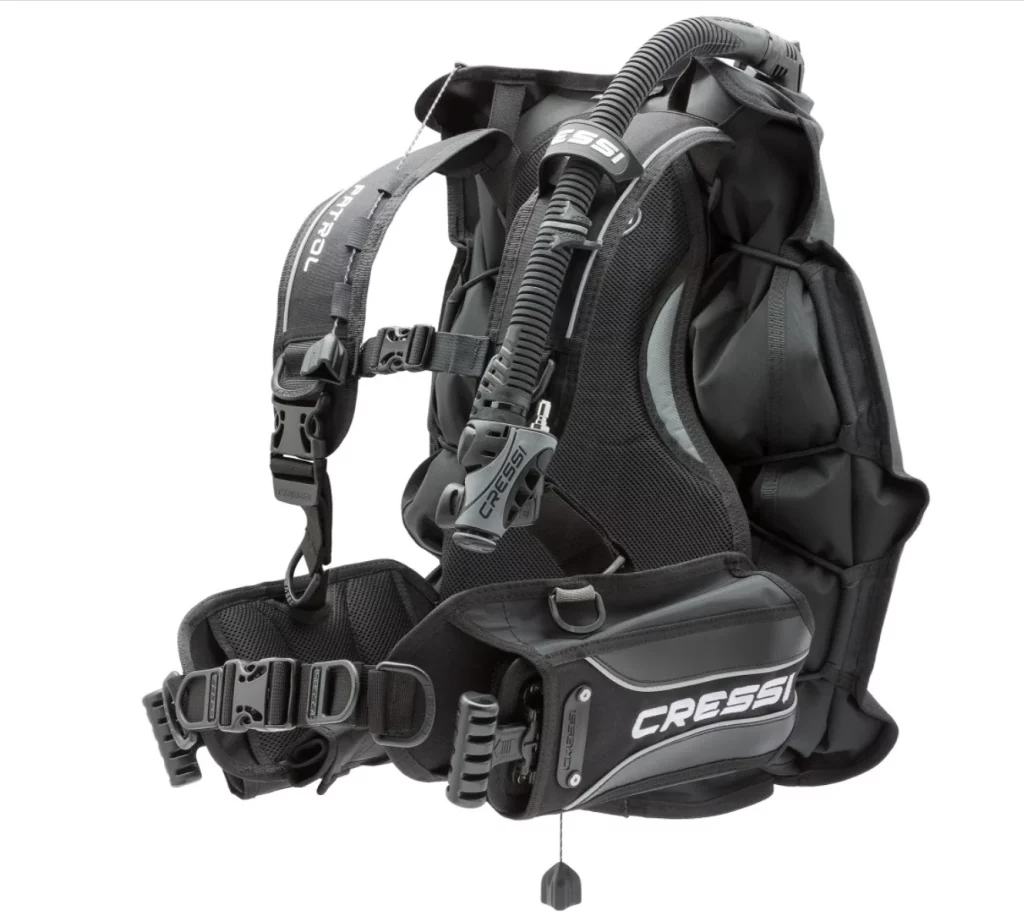
- Systems for Controlling Buoyancy (BCDs)
Wearing a device resembling a vest, divers may regulate their buoyancy with the help of the Buoyancy Control Device (BCD). Divers can attain neutral buoyancy at any depth by inflating or deflating the BCD. Precisely pumping and deflating their BCDs to keep their chosen depth and location in the water column is a skill that students master in open-water courses.
- Controlled Breathing
The ability to manage buoyancy also requires proficiency in breathing methods. Divers become more buoyant as they breathe in because their lungs expand. On the other hand, exhaling causes a reduction in buoyancy. Divers may modify their buoyancy and position in the water by carefully controlling their breathing.
Getting Trim: Mastering the Streamlined Movement Technique
The term “trim” describes how a diver aligns their body in the water, particularly along the horizontal axis. Divers may move more quickly and use less energy when their trim is streamlined, which reduces water resistance. Students study strategies to improve their underwater posture and gain knowledge of trim concepts in open-water courses.
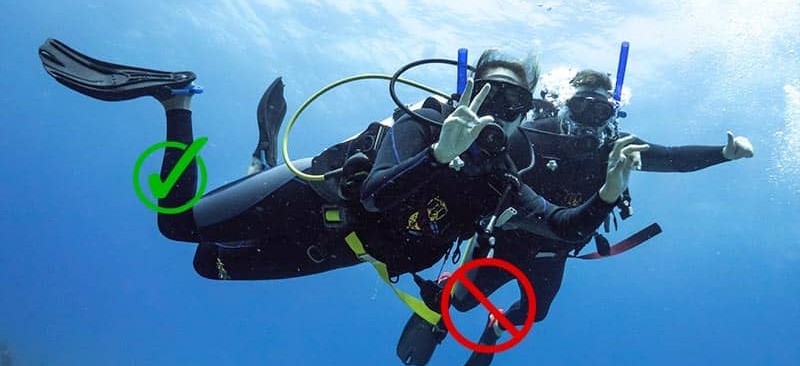
- Horizontal Alignment
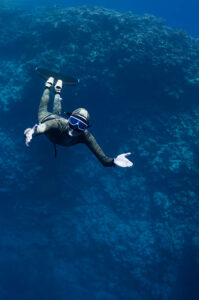
To achieve the best trim, it is imperative to keep your orientation horizontal. A diver’s goal should be to maintain their arms relaxed at their sides, fins slightly above head level, and body parallel to the water’s surface. This position provides for more fluid propulsion through the water by reducing drag.
- Distribution of Weights
Achieving neutral buoyancy and ideal trim requires proper weight distribution. Divers must equally distribute their weight across the water to prevent toppling over. Instructors in open-water classes show pupils how to modify their equipment, including weight belts, to attain optimal stability and balance while submerged.
Preservation and Honoring the Ocean Environment
Open-water scuba diving classes stress the value of environmental preservation and appropriate diving techniques in addition to teaching buoyancy and trim. Divers are trained to stay away from coral reefs, marine life, and underwater buildings in order to lessen their influence on delicate marine ecosystems. Divers may contribute to preserving the undersea environment’s richness and beauty for future generations by treating it with respect.
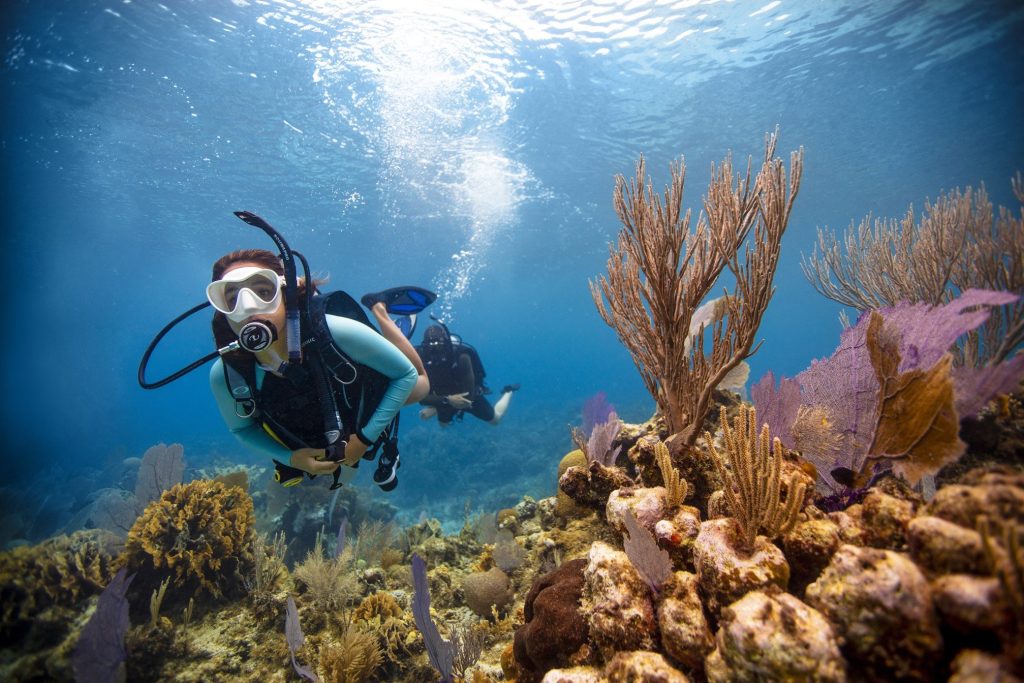
Combining the concepts of buoyancy and trim, underwater swimming allows divers to explore the underwater environment with efficiency and elegance. In open-water scuba diving classes, students learn how to master the art of trim to maximize their movement through the water and regulate their buoyancy with the use of BCDs and breathing procedures. Divers may enjoy underwater experiences while reducing their influence on the marine environment by learning some basic skills and practicing ethical diving. Happy and safe diving!