


When divers plunge underwater, they momentarily enter a realm of the environment where buoyancy, spatial awareness, and consideration for the marine environment are critical. The principles for liable underwater interaction go previous to the specifics of dive tables and equipment knowledge. They moreover embody obligation and attentiveness, which mutually warrant the peaceful coexistence of human explorers with the subtle ecosystems they come across.
The underwater surroundings are fascinating, however, it is no longer beside its difficulties and feasible risks. To mitigate the dangers of decompression sickness. dive tables and no-decompression limits emphasize how indispensable time management is in the deep. Complying with the guidelines governing protected descents and ascents requires a grasp of the physiological outcomes of stress on the human body.
As we discover the nuances of the legal guidelines and directions that outline the scuba diving experience, it will become clear that having essential technical abilities, a larger appreciation of environmental stewardship, and a dedication to ethical conduct are crucial. Come alongside on our underwater tour to the location the place we swim via the raging waters of accountability, searching to divulge the direction towards a at the same time advisable coexistence between the charming depths and humankind.
-
Buoyancy Control
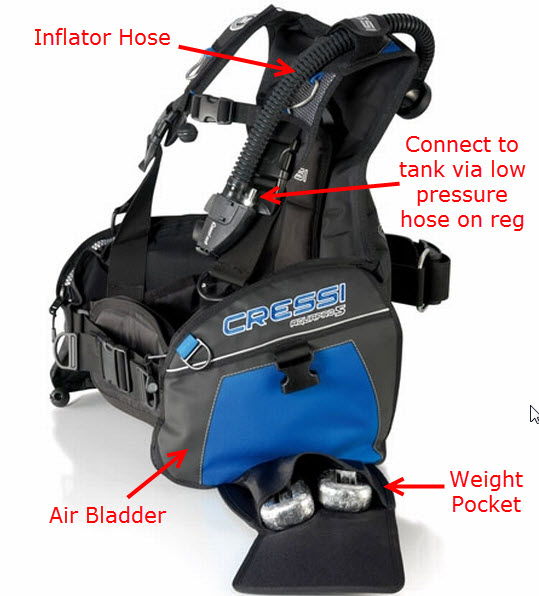
Buoyancy control is the cornerstone of a protected and exciting scuba dive. Divers need to grasp the talent of keeping impartial buoyancy to waft without problems through the water besides traumatic the fragile marine environment. Proper weighting, managed breathing, and buoyancy compensator (BC) changes are crucial aspects of this skill. Divers need to keep away from touching the seabed or any underwater constructions to forestall demanding sediment and adverse refined corals.
-
Time Management Underwater
Managing the quantity of time spent underwater requires an understanding of dive tables and no-decompression limitations. Dive tables provide instruction on the quantity of time that may additionally be spent diving at distinctive depths in order to reduce the threat of decompression sickness. To keep away from controllable health difficulties linked to fast modifications in pressure, divers should meticulously table their dives, thinking about the descent, bottom time, and ascent, whilst closing inside protected limits.
-
Equalization Techniques:
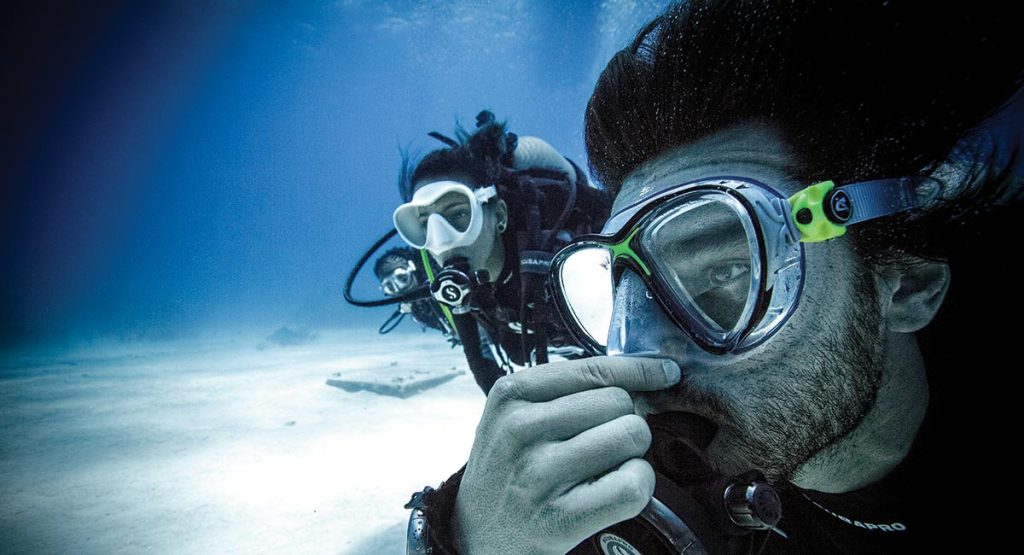
The increased water stress that comes with diving similarly into the ocean can be uncomfortable and even unsafe to divers’ hearing. To equalize the stress inner and outer of the ear, equalization methods like the Valsalva maneuver are essential. To keep away from barotrauma and make sure a greater gratifying dive, divers have to periodically exercise these tactics and descend gently to allow their ears to acclimate.
-
Underwater Navigation:
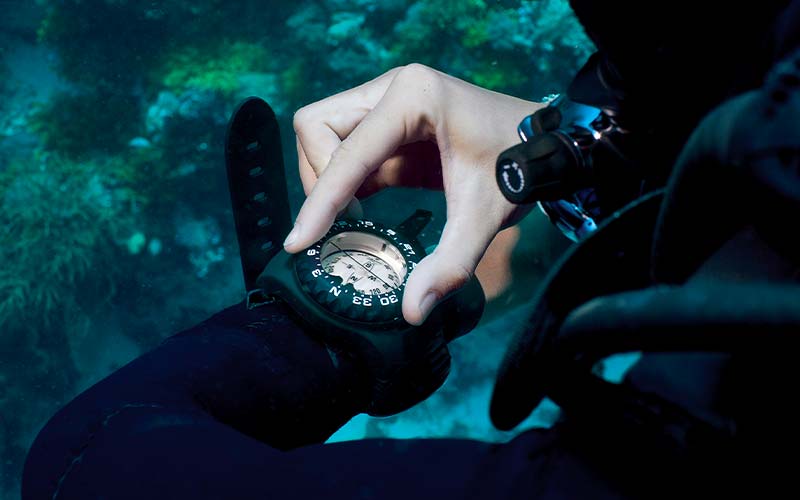
Using a combination of natural navigational indications, dive buddy assistance, and compass abilities is necessary for underwater navigation. Divers should stay in eye contact with their partners and use hand gestures to efficiently communicate. A safe return to the surface depends on using underwater landmarks, compass readings, and dive site knowledge.
-
Marine Life Interaction:
Scuba divers should always engage with marine life responsibly. Underwater habitats can suffer stress and damage when animals are touched, fed, or disturbed. Divers should observe recognized protocols for moral interactions with marine species, keep a respectful distance, and refrain from making abrupt movements.
-
Emergency Procedures:
Unexpected possibilities can happen underwater even with careful planning. Divers need to be well-versed in emergency protocols, such as using emergency signaling equipment, buddy aid, and controlled ascents. Divers who regularly perform emergency drills will be able to react coolly and efficiently in the event of unforeseen difficulties.
-
Equipment Maintenance:
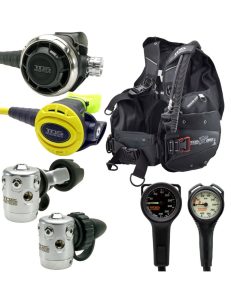
A safe dive depends on having trustworthy diving gear. Pre-dive equipment inspections should be performed by divers, who should check the buoyancy compensator’s operation, the regulator, and the air supply. A trouble-free underwater experience is a result of proper equipment care and maintenance.
-
Environmental Awareness:
The preservation of the undersea environment is the duty of divers. This entails actively contributing to conservation efforts in addition to following the law. Protecting these delicate ecosystems involves staying away from marine creatures, gathering rubbish when diving, and funding marine conservation programs.
After exploring scuba diving directions, instructions, and techniques, it is apparent that these requirements are more than simply a listing of rules; they are the threads that weave a story about environmental stewardship, safety, discovery, and companionship. Together, they furnish an entire guide that allows divers to enter the ocean with a feeling of cause and makes positive that every underwater journey is a lovely dance between the spirit of humanity and the mysterious treasures hidden beneath the waves. These rules resound in the quiet of the ocean, the place where it seems as though time has stopped, serving as a mild reminder that responsible conduct holds the key to interpreting the mysteries of the undersea world.


