For scuba divers, buoyancy compensators—also known as BCDs, or buoyancy control devices—are vital pieces of equipment. They make it possible for divers to easily maintain the right depth and position underwater by controlling their buoyancy. Modern technology has been added to buoyancy compensators over time to improve performance, comfort, and safety. We’ll examine the most recent advancements in buoyancy compensators in this extensive guide, giving you all the information you need to make a proper choice.
Buoyancy Compensators’ Evolution:
-
The Earlier Times: An Exploration of Simplicity
Initially, buoyancy management in diving was a very basic concept. To attain neutral buoyancy underwater, divers had to manually modify their lung capacity and use weight belts. Although this method worked, it was not very precise, and it frequently led to painful dives and ineffective dives.
Diving technology advanced significantly when the first buoyancy compensators were introduced in the middle of the 20th century. These early types were quite easy for divers to alter their buoyancy because they were merely basic inflatable vests attached to a compressed air cylinder. Even though they were primitive by today’s standards, these technologies served as a model for later advances.

-
The Development of Integrated Systems
Technology for diving progressed along with the invention of buoyancy compensators. The incorporation of buoyancy control devices (BCDs) into the diver’s equipment was one of the biggest advancements. Modern BCDs are incorporated into the diving harness, offering a streamlined and effective alternative in place of separate vests and air cylinders.
Compared to earlier systems, integrated systems provide a number of benefits. They provide the diver with more comfort, better weight distribution, and increased stability underwater. To further increase their usefulness, integrated BCDs frequently have extra storage compartments and accessory attachment points.
-
Automatic to Manual: The Dive Computer Era
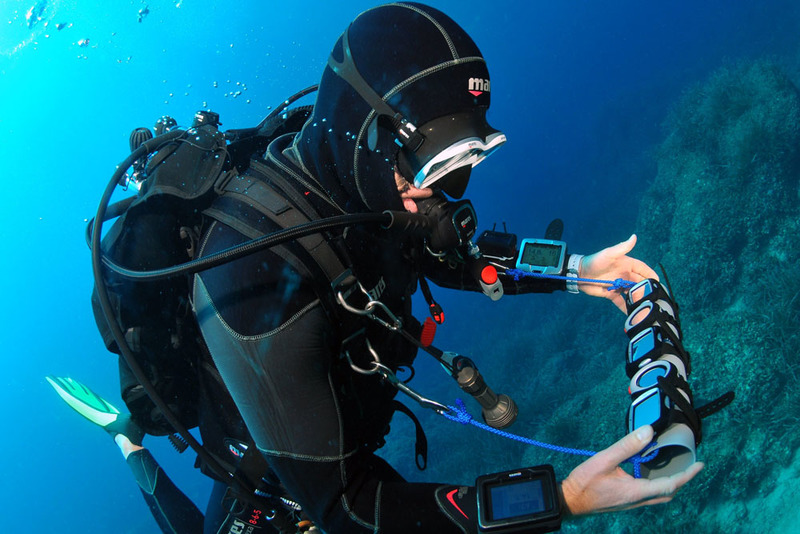
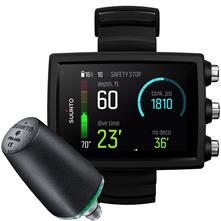
Another significant development in buoyancy compensators is the use of dive computers. Dive computers use algorithms to determine the ideal buoyancy settings in addition to monitoring depth, time, and decompression limitations. These devices offer previously unthinkable levels of safety and precision by automatically altering buoyancy based on depth and other parameters.
Furthermore, a lot of contemporary dive computers include built-in air integration, which enables divers to check their remaining bottom time and air supply right from their BCDs. This integration eliminates the need for bulky gauges and hoses, simplifying the diving experience.
Combined Technology:
-
The Combination of Functions: Comprehending Merged Technology
In buoyancy compensators, combined technology refers to the fusion of several functions and systems into a unified, well-functioning whole. Combined technology combines features including air integration systems, dive computers, and inflation mechanisms into a single device, replacing separate components. This integration improves performance, comfort, and safety underwater while also streamlining the diving experience.
-
The Fundamental Elements: An Upclose View

-
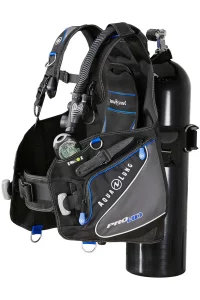
Device for Buoyancy Control (BCD): The BCD, which provides buoyancy control and underwater stability, is the central component of all buoyancy compensators. For maximum comfort and functionality, combined technology BCDs frequently include integrated weight systems, adjustable harness systems, and ergonomic designs.
-
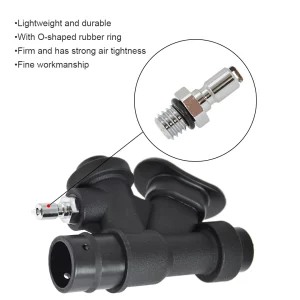
Historically, buoyancy compensators were inflated manually by attaching a low-pressure inflator line to a compressed air cylinder. Nonetheless, BCDs with combined technology may have sophisticated inflation methods, such as electronically-controlled inflation mechanisms for accurate buoyancy changes, pneumatic inflators, or integrated CO2 cartridges.
-
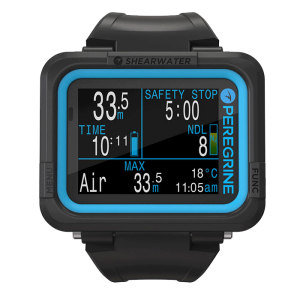
Dive Computer: A dive computer is another essential part that is included in many buoyancy compensators that use mixed technologies. These gadgets keep an eye on dive parameters including depth, duration, and decompression limitations. They may also use algorithms to determine the ideal buoyancy settings based on data collected in real time. By doing away with the necessity for separate consoles, dive computers built into BCDs reduce clutter and improve diver convenience.
-
Air Integration: By offering real-time monitoring of the diver’s air supply, air integration devices further improve the performance of combined technology buoyancy compensators. The remaining air time and tank pressure are immediately shown on the BCD’s interface thanks to integrated pressure sensors that connect to the dive computer. By enabling divers to precisely monitor their air use without the need for extra gauges or hoses, this integration improves safety.
Designing Ergonomically:
When discussing buoyancy compensators, ergonomics refers to the science of creating gear that is tailored to the requirements and limitations of the human body in order to improve comfort, safety, and effectiveness when diving. Through the use of biomechanics, human physiology, and anthropometry—the study of body measurements—designers may minimize fatigue and pain by creating buoyancy compensators that fit the diver’s body structure and motions.
Important Aspects of Ergonomic Design
-
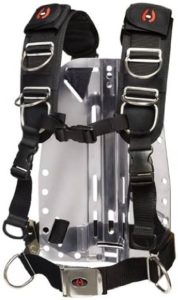
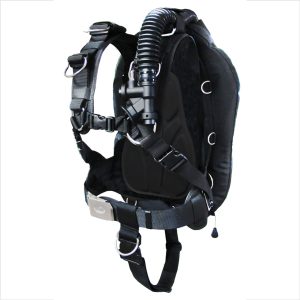
Harness System: A buoyancy compensator’s harness system is essential to spreading the weight of the apparatus uniformly over the diver’s body. Divers may tailor the fit of ergonomic harness systems to their individual body types thanks to the adjustable straps and buckles. During extended dives, pressure points, and tiredness are decreased thanks to the lumbar support and wide, padded shoulder straps that evenly distribute the burden.
-
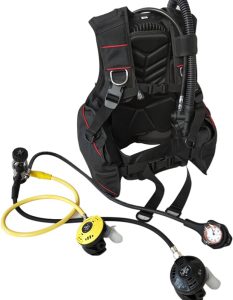
Weight Integration: Conventional weight belts are heavy and unpleasant, sometimes causing pain in the hips and waist areas. Divers may uniformly distribute their weights over their torsos because of the integrated weight systems included in many ergonomic buoyancy compensators. Underwater stability and buoyancy control are also improved by this design in addition to comfort.
-
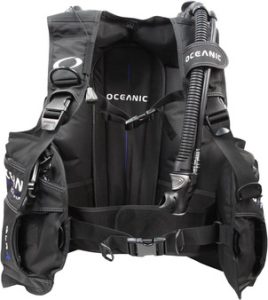
Padding and Cushioning: Strategic padding and cushioning are beneficial in areas where the diver and the buoyancy compensator come into contact, such as the shoulders, back, and waist. Even while submerged for lengthy periods of time, pleasant diving is ensured by the soft, molded cushioning that lessens pressure points and minimizes chafing.
-
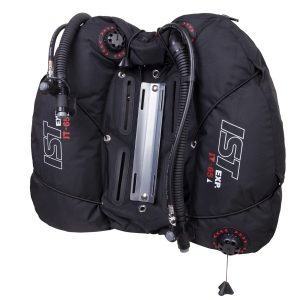
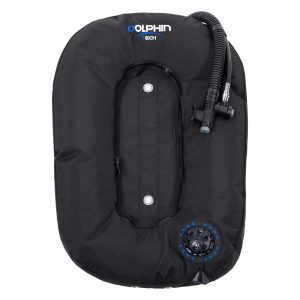
Shape of the Buoyancy Bladder: The diver’s comfort and range of motion can be greatly affected by the design and positioning of the buoyancy bladder inside the compensator. In order to minimize weight and reduce drag underwater, ergonomically built buoyancy bladders are frequently molded to match the natural curve of the body. Furthermore, well-positioned dump valves provide rapid and effective air release, improving maneuverability and buoyancy control.
Prospects & Hypotheses for the Future:
Future Potential for Buoyancy Compensation
-
-
Smart Fabrics and Materials: The future of buoyancy compensators appears bright when smart fabrics and cutting-edge materials are combined. These materials could be able to dynamically change buoyancy in response to external factors, giving divers more comfort and control while submerged.
-
Biometric Monitoring: Envision buoyancy compensators that have biometric sensors built in to track critical indicators like body temperature, heart rate, and oxygen saturation. With the use of this real-time data, dive profiles might be improved and safety could be increased by learning important things about the diver’s physiological condition.
-
AI-Assisted Buoyancy Management: By evaluating data from several sensors and adjusting inflation and deflation rates appropriately, artificial intelligence (AI) algorithms have the potential to completely transform buoyancy management. Artificial intelligence (AI)-enabled buoyancy compensators might adjust to the diver’s actions and the surrounding environment, offering tailored assistance for a more efficient and enjoyable diving experience.
-
Hydrodynamic Design: Nature-inspired, streamlined shapes may be seen in buoyancy compensators of the future. Underwater manoeuvrability might be increased and drag could be decreased by modeling the forms and motions of marine creatures like sharks and dolphins. This would enable divers to explore more quickly and effectively.
-
Theories in the Future: Examining Possible Advancements
-
-
Zero-G Buoyancy Systems: Will buoyancy compensators of the future make use of cutting-edge propulsion technology to provide divers neutral buoyancy with no exertion on their part? It has been suggested that propulsion technologies like jet streams or micro-thrusters may be used to maintain ideal buoyancy without the need for human modifications.
-
-
Underwater Communication Interfaces: According to theories, buoyancy compensators that have underwater communication interfaces installed would enable smooth communication between divers and surface support teams. During dives, integrated audio systems or heads-up displays might improve coordination, safety, and collaboration.
-
Energy Harvesting Mechanisms: How would onboard systems be powered by buoyancy compensators that could capture energy from the motions of the diver or the surrounding environment? In order to supply sensors, displays, and inflating systems with sustainable power, theories suggest integrating energy harvesting technologies such as piezoelectric or kinetic energy generators.
-
Hypotheses suggest that bioluminescent safety features might be included in buoyancy compensators, drawing inspiration from the bioluminescent species discovered in the ocean’s depths. Diver safety and navigation might be improved by using LED strips or glow-in-the-dark materials to improve visibility in poor light.
-

-
Integration of Augmented Reality: Picture diving with real-time data, navigational support, and immersive identification of marine creatures displayed by augmented reality (AR) overlays. There are theories that buoyancy compensators may be equipped with augmented reality (AR) technology, making diving an engaging and educational experience.
-
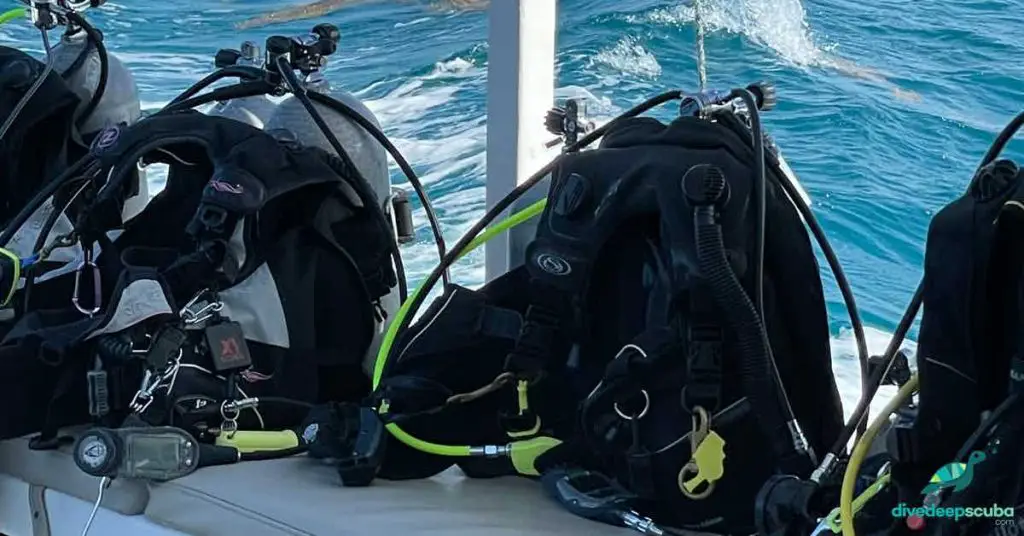
These necessary pieces of scuba diving gear have evolved into complex instruments with unmatched performance, comfort, and safety thanks to the most recent advancements in buoyancy compensator technology. Modern BCDs meet the many demands of today’s divers, ranging from integrated technology and environmental sustainability to sophisticated materials and construction processes. Divers who keep up with the newest advancements in buoyancy compensators may make well-informed decisions that maximize their underwater experiences while reducing their negative environmental effects. Investing in a high-quality buoyancy compensator is essential to exploring the undersea environment, regardless of diving experience. Happy and safe Diving!