A major obstacle for many aspiring divers might be Claustrophobia or the dread of small places. For people who are prone to anxiety, the enclosed surroundings and the need to rely on breathing apparatuses of the underwater environment might be frightening. Nonetheless, it is possible to overcome claustrophobia and take in the beauty of the underwater environment with the appropriate strategy and methods. We are here looking at several methods for overcoming and managing claustrophobia in divers.
What you should know about claustrophobia?
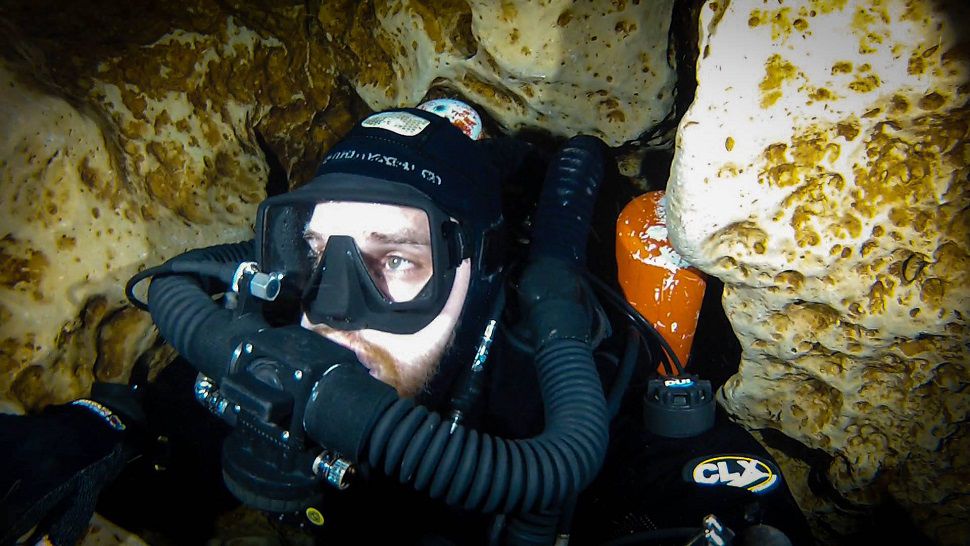
Divers who suffer from claustrophobia may have panic episodes, dyspnea, vertigo, and an overwhelming want to surface right away. The feeling of being stuck underwater, the need for breathing equipment, and the poor visibility in some diving situations are common causes of the phobia.
1. Readying and Mentality
- Recognize Your Fear: Recognizing and comprehending your fear is the first step towards conquering claustrophobia. Acknowledging the validity of your concern and the fact that it’s common among divers can help you approach it logically.
- Become Informed: Become familiar with the diving environment, tools, and protocols. Understanding can ease anxiety by dispelling the dread of the unknown. Spend some time learning about the safety precautions in place, how your equipment operates, and what to anticipate on a dive.
- Select the Appropriate Trainer: Choose an instructor who has dealt with pupils who are claustrophobic before. Reassurance and customized assistance may be obtained from a patient and understanding instructor, who can significantly improve your training experience.
2. Techniques for Breathing and Relaxation
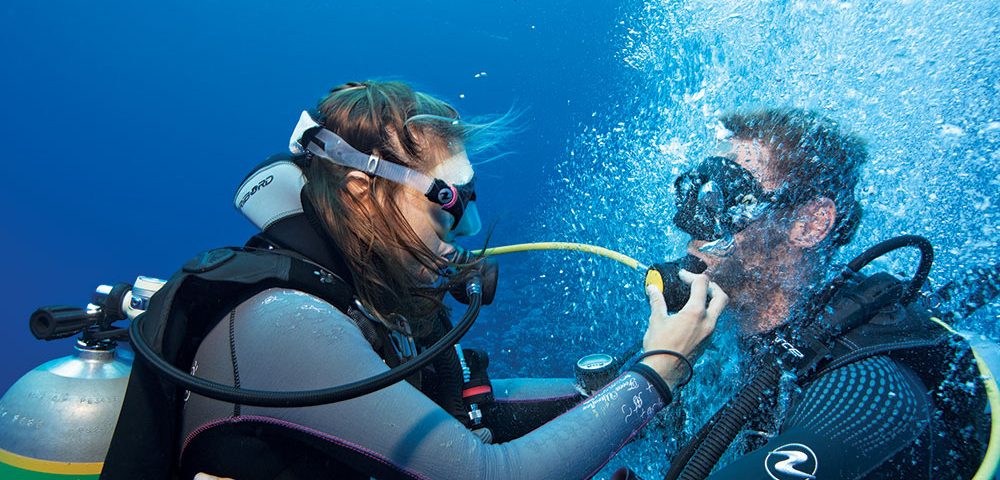
- Controlled Breathing: Pay attention to your deep, slow, and deliberate breaths. Calm breathing lowers your heart rate and promotes relaxation. You may use the water and land to practice this skill.
- Mindfulness and Meditation: Make time each day for mindfulness and meditation exercises. Progressive muscle relaxation and other techniques like these can help reduce anxiety and increase attention.
- Pre-Dive Relaxation: Before every dive, practice some relaxation techniques. Deep breathing techniques and yoga are good ways to de-stress and be ready for the dive.
3. Progressive Exposure
- Start Slowly: Make your way to deeper and more difficult settings by starting with dives in shallow water. You may become used to the underwater environment without feeling the strain of depressing depth on shallow dives.
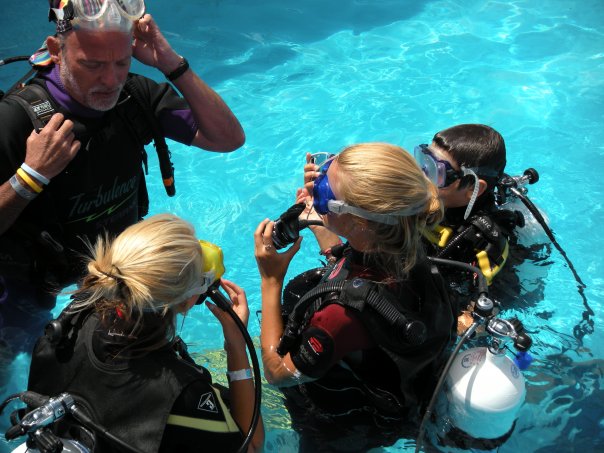
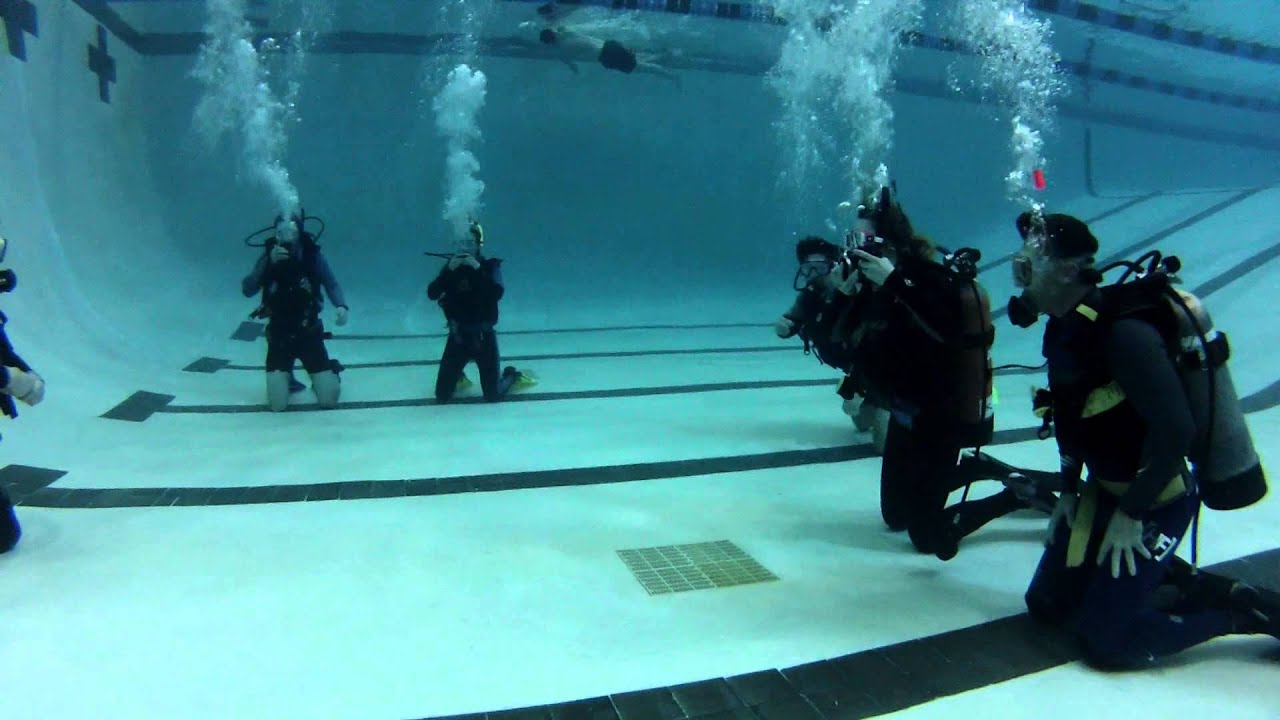
- Pool Training: Get your skills in a pool before going out into the open water. Swimming pools provide a safe space where you may acclimate to your gear and breathing exercises.
- Incremental Challenges: As you gain comfort, progressively introduce increasingly difficult situations, including dimly lit areas or cramped quarters. Gradual exposure contributes to anxiety reduction and confidence building.
4. Support and the Buddy System
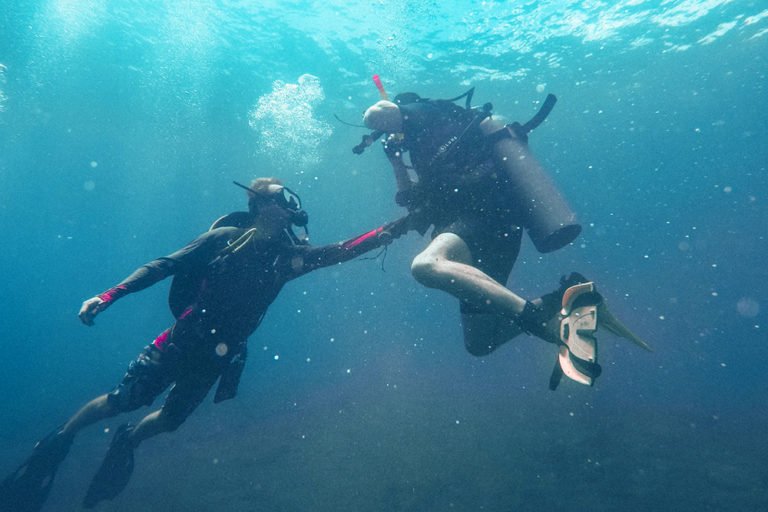
- Talk to Your Buddy: Keep lines of communication open with your diving partner. Share your fear of small spaces with them and decide on cues for when to slow down or rise.
- Keep Your Pal in Sight: Having your pal in close proximity might make you feel safer. You may feel less alone and more reassured by their presence when you’re submerged.
- Seek Professional Assistance: If you suffer from severe claustrophobia, you might want to think about seeing a therapist who specializes in anxiety disorders. Phobias can be effectively managed using cognitive-behavioral therapy, or CBT.
5. Equipment and Planning for Dives
- Plan Your Dive: Work with your instructor and partner to carefully organize your dive. Anxiety can be decreased and confidence can be increased by being aware of the dive location, anticipated circumstances, and emergency protocols.
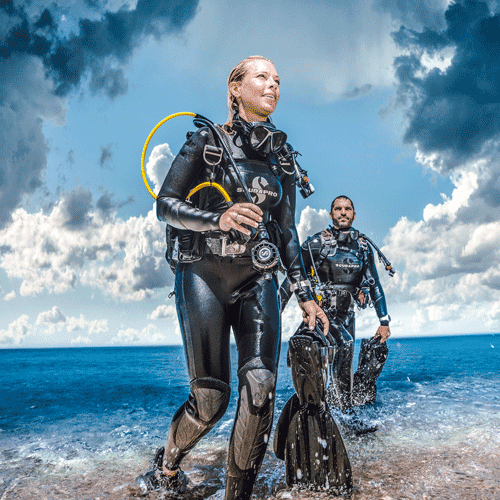
- Get to Know Your Equipment: Take some time to become familiar with your diving equipment. Make sure everything fits and operates as intended by practicing donning and doffing your gear.
- Employ the Right Equipment: Make sure the gear you have is enough for the job at hand. A properly fitting mask, for example, can stop water leaks, which are a typical cause of claustrophobia.
6. Gaining Self-Assurance from Experience
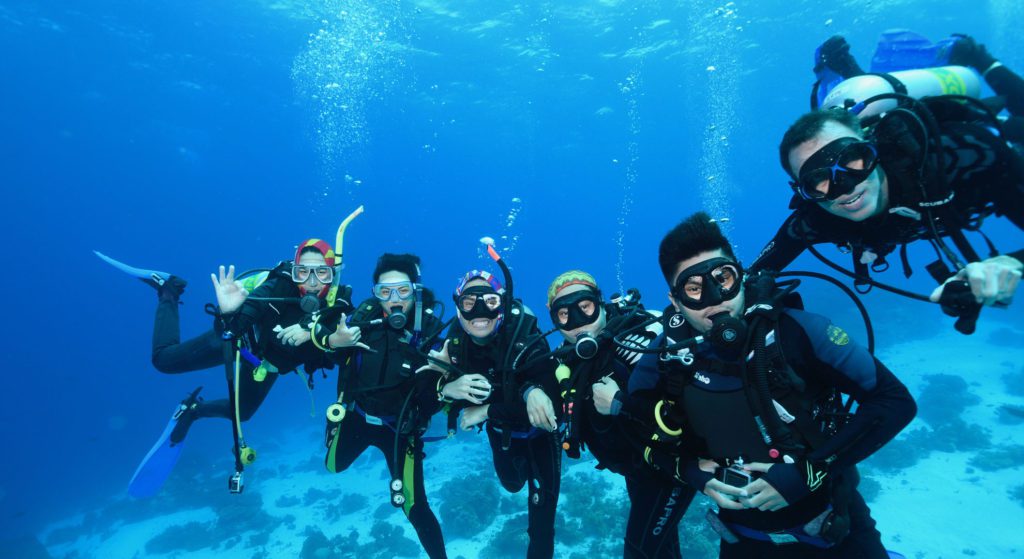
- Consider Good Experiences: After every dive, give some thought to the things that went well. Celebrate your development and little successes since they will eventually help you become more confident.
- Remain Consistent: Overcoming claustrophobia requires consistent diving practice. You will get more accustomed to and at ease in the underwater environment the more diving you do.
- Become a Part of a Helpful Community: Talk to other divers who have faced and conquered comparable worries. Additional encouragement and support can be obtained by exchanging advice and experiences.
You don’t have to be claustrophobic to enjoy the benefits of scuba diving. You may conquer this phobia by being methodical and slow, getting the right training, using relaxation methods, and getting help from a professional if necessary. You may fully experience the world of adventure and beauty that diving offers if you are persistent and determined. Happy and safe diving!