Prevention and Management of Injuries from Marine Life
Some would argue that the biggest reason to dive is for the opportunity to observe new life in its natural environment. Be careful though, because much of the life inhabiting the seas can be dangerous if you are not careful. From stings and bites to cuts and punctures, injuries inflicted by marine life are relatively uncommon, but can be lethal without proper first aid and medical treatment. Here are some of the most essential steps to prevent and treat marine life injuries, ensuring ease and fun when underwater.
1. Marine Life Behavior
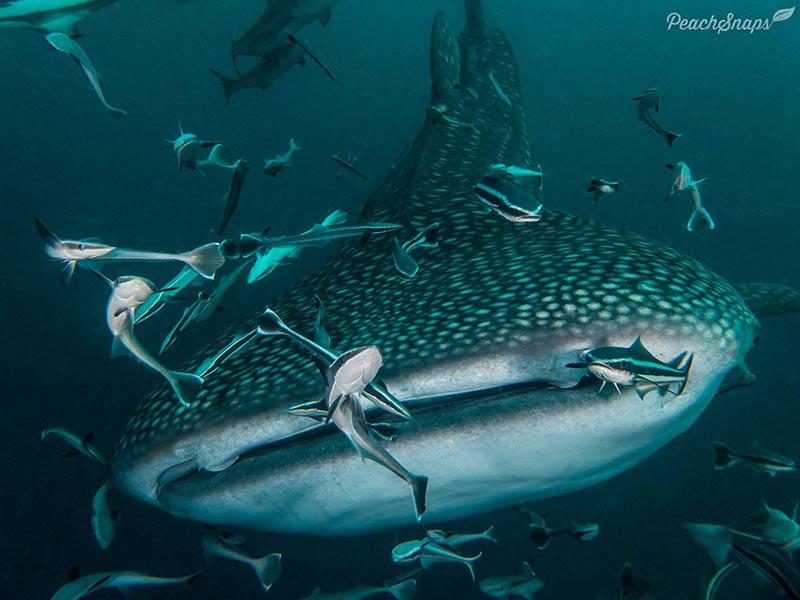
To begin with, the first step in avoiding marine life injury is learning the behavior and reactions of the creatures that you will interact with:
- Defensive Reactions: Almost all marine creatures will not be offensive, it is only when they feel under attack that they strike back. Don’t make sudden movements or try to touch/ annoy marine life.
- Territoriality: There are some, like fishes and eels, for instance, which could be territorial and aggressive if one enters its territory.
- Camouflage and Concealment: Many marine animals adopt the art of camouflage. It is possible to get hurt, be it by an unsuspecting animal through stepping or by touching.
2. General Prevention Tips
Adhere to the following general prevention tips to help lessen the risk of injury from marine life:
- Respect Wildlife: Keep at least a safe distance from all marine life. Admire them from a good distance and never touch or feed the animals.
- Be Alert: Always be alert to anything that might be dangerous, such as stingrays lying on the bottom partially covered by sand, or jellyfish in the water.
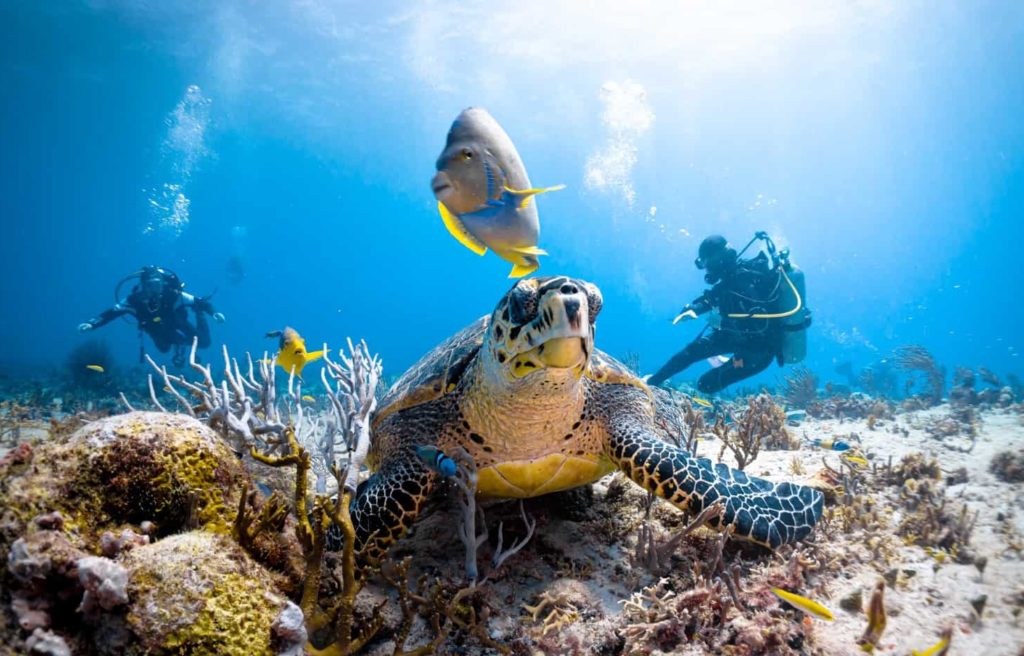
- Shuffle, Don’t Touch: Shuffle instead of touching or stepping on the ocean bottom, coral reefs, or the rocky areas where organisms might hide.
- Protective Gear: Do not expose your skin accidentally to marine life; full wetsuit and gloves plus booties will prevent most contact.
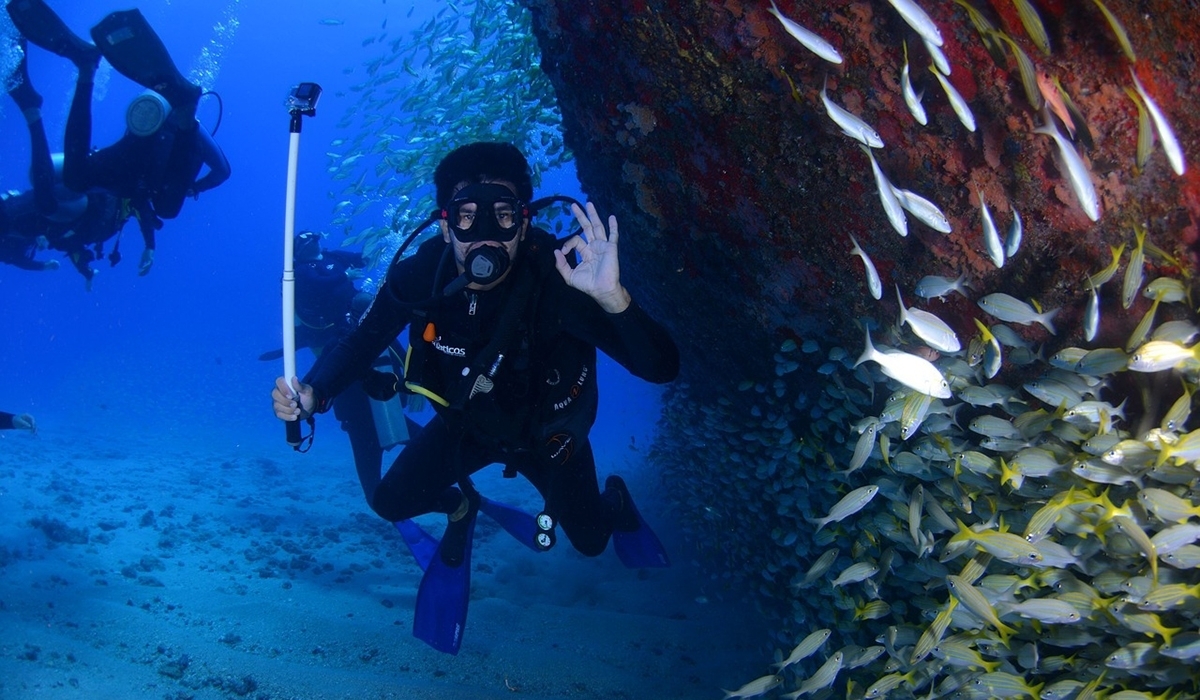
- Proper Fining Techniques: Avoid stirring up the bottom with your fins. This will startle the marine life, making you prone to threats from hidden creatures that could disturb or provoke you.
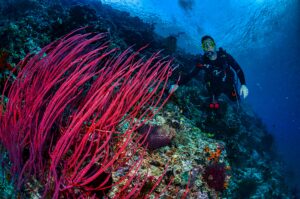
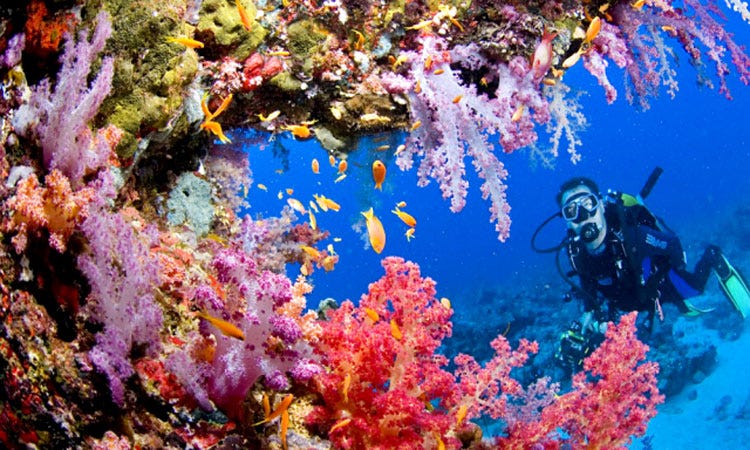
- Cautious Near Coral: Many forms of coral cause cuts and abrasions that can become infected; don’t touch, lean, or brush against coral; don’t handle fire coral.
3. Individual Marine Life Hazards and How to Avoid Them
Not all marine life presents a threat, but for those that do, it is important to know how to efficiently avoid their dangers. Below are ways to dodge some of the most dangerous types of marine creatures:
Jellyfish
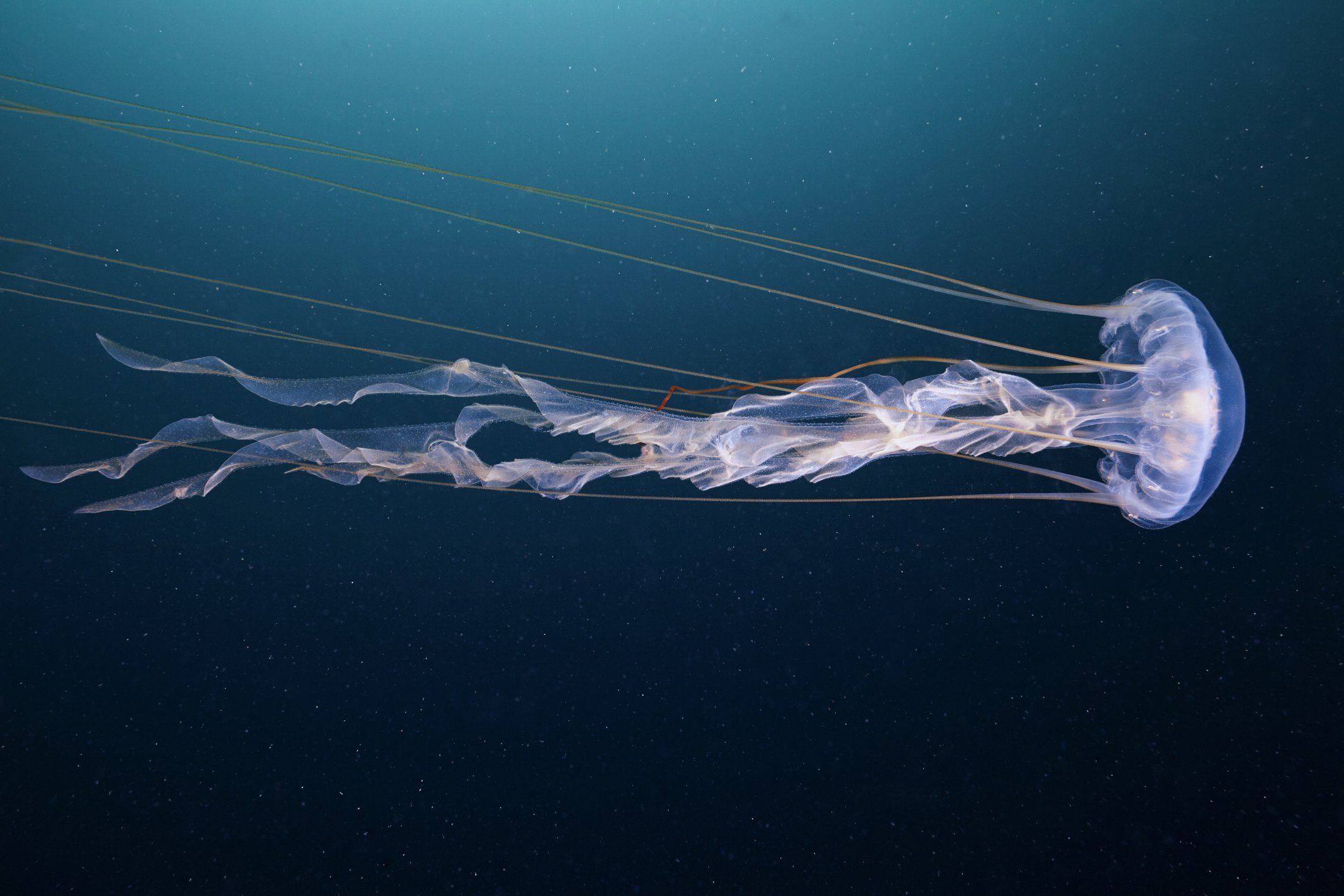
- Danger: Stings from these gelatinous creatures can cause mild irritation to excruciating pain and are even fatal in rare cases.
- Prevention: Do not swim or dive where there are jellyfish warnings. Always wear a full-body wetsuit or lycra suit to provide some protection. Slowly swim away if you see jellyfish—do not panic.
Stingrays
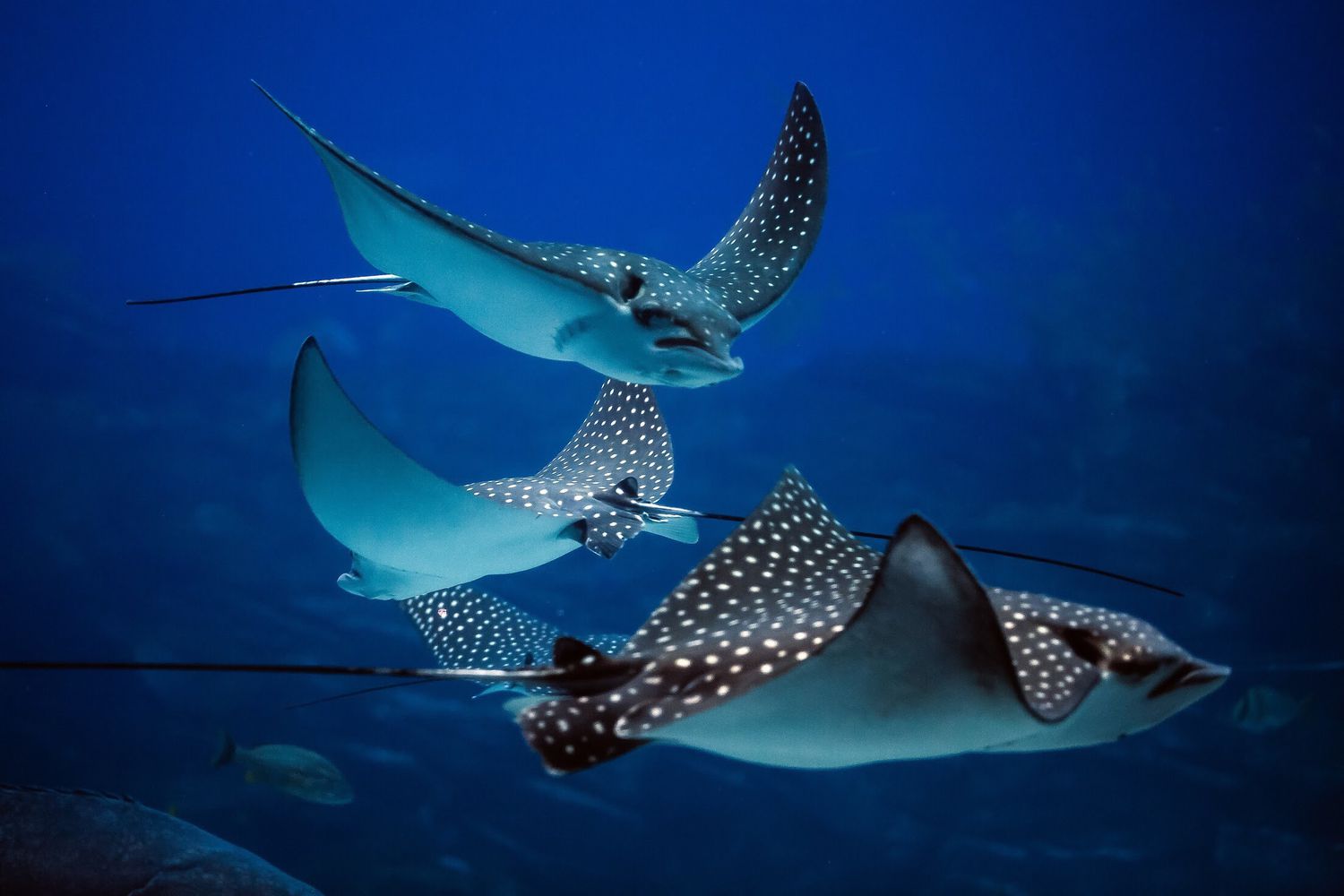
- Risk: Stingrays can inflict a painful sting with their barbed tails if stepped on or harassed.
- Prevention: Do the “stingray shuffle,” where you slide your feet along the sandy bottom instead of picking up your feet, so you don’t accidentally step down on a stingray.
Lionfish and Scorpionfish
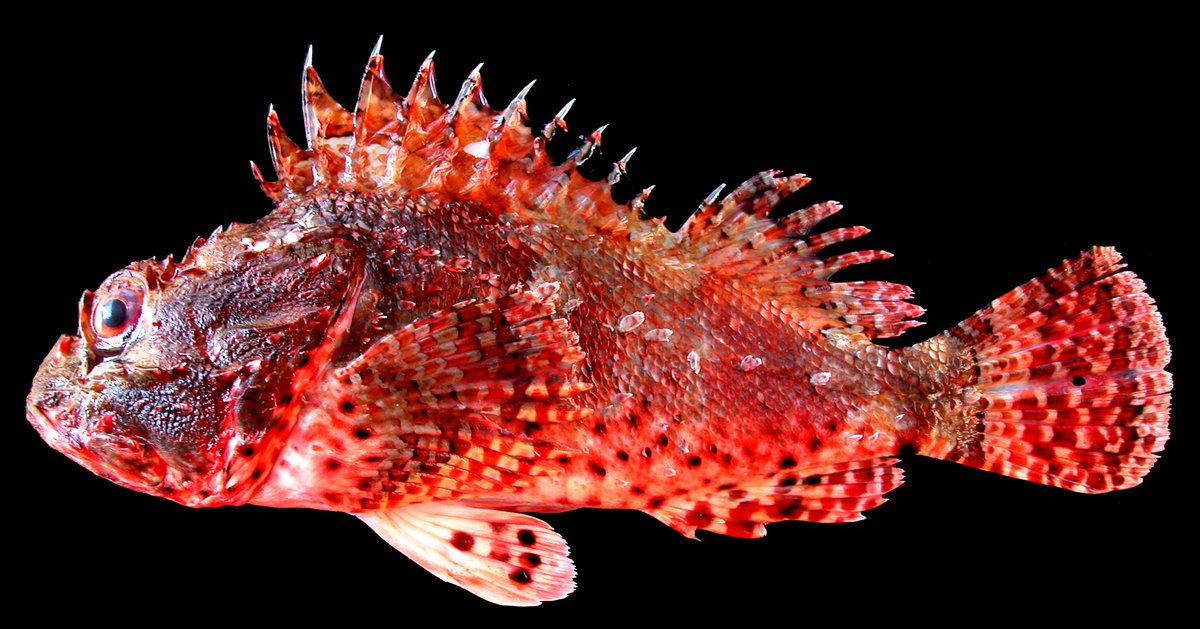
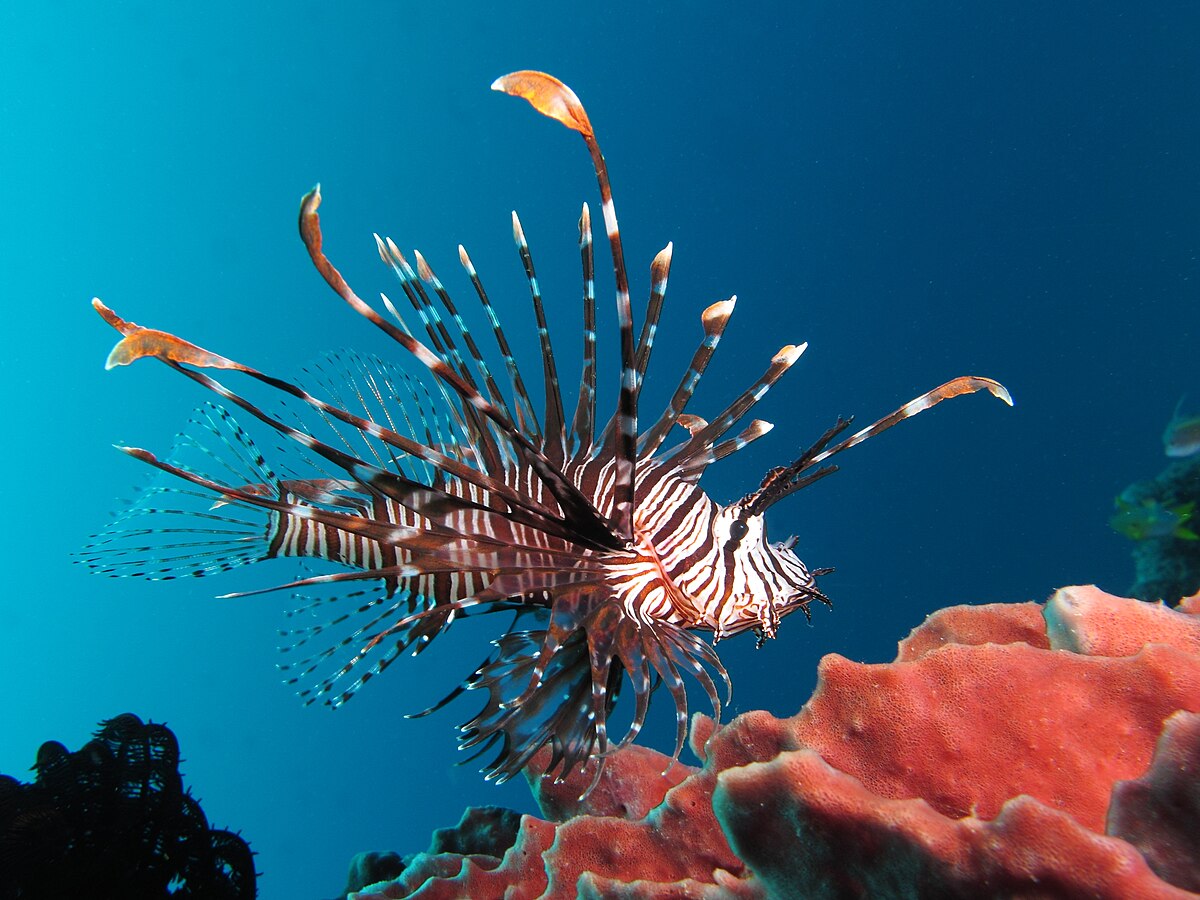
- Hazard: These fish have venomous spines that cause painful wounds.
- Prevention: These are fishes to never touch or hold. Be careful when diving close to rocky crevices or coral, where the fish thrive.
Moray Eels:
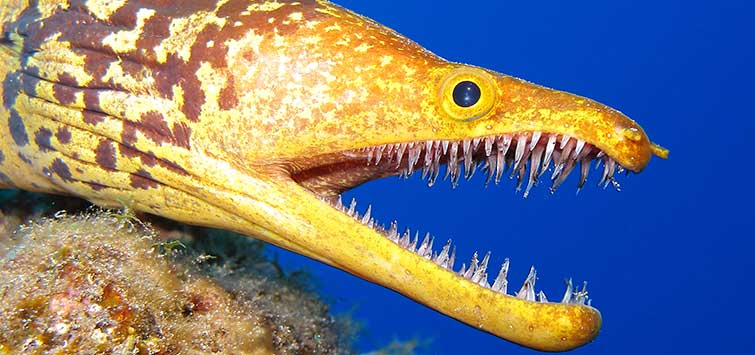
- Danger: Agitated, scared, or even by mere cornering, moray eels are sure to bite.
- Precaution: The best practice is not to put one’s hands inside holes, crevices, or under rocks/boulders where eels hide. Just let them be and give them space while you can enjoy how they look and function without tactile engagement.
Sea Urchins:
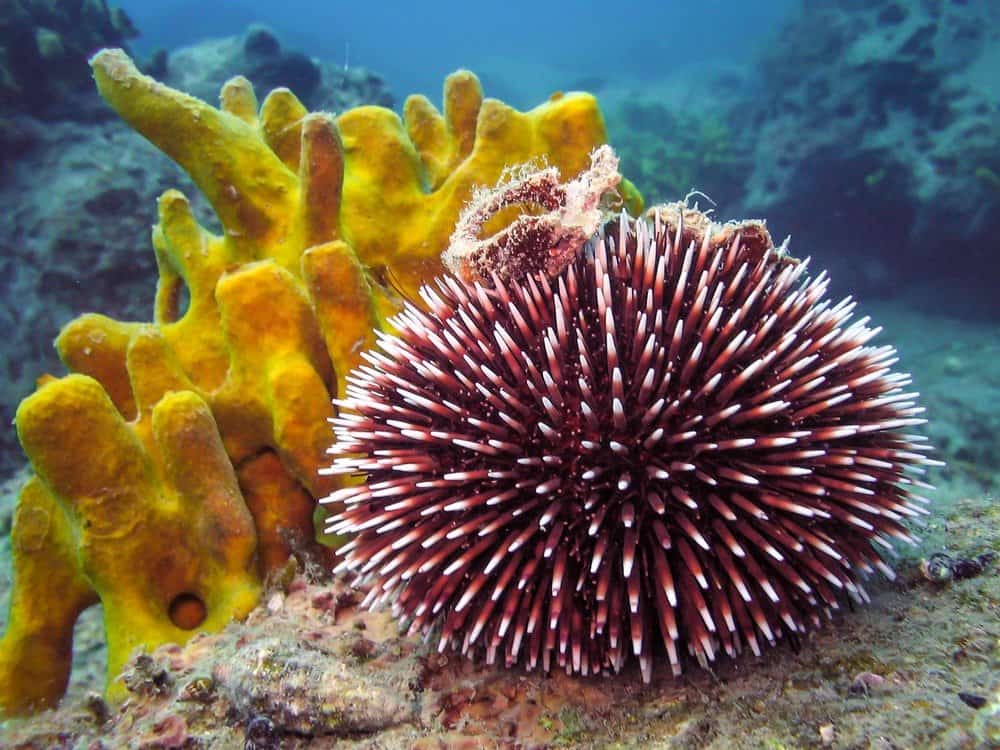
- Harm: Puncture enough skin, and the spines can inflict and sometimes result in painful wounds.
- Prevention: Be aware of where you put your hands and feet. In shallow waters, especially where sea urchins are known, avoid walking barefoot.
Sharks
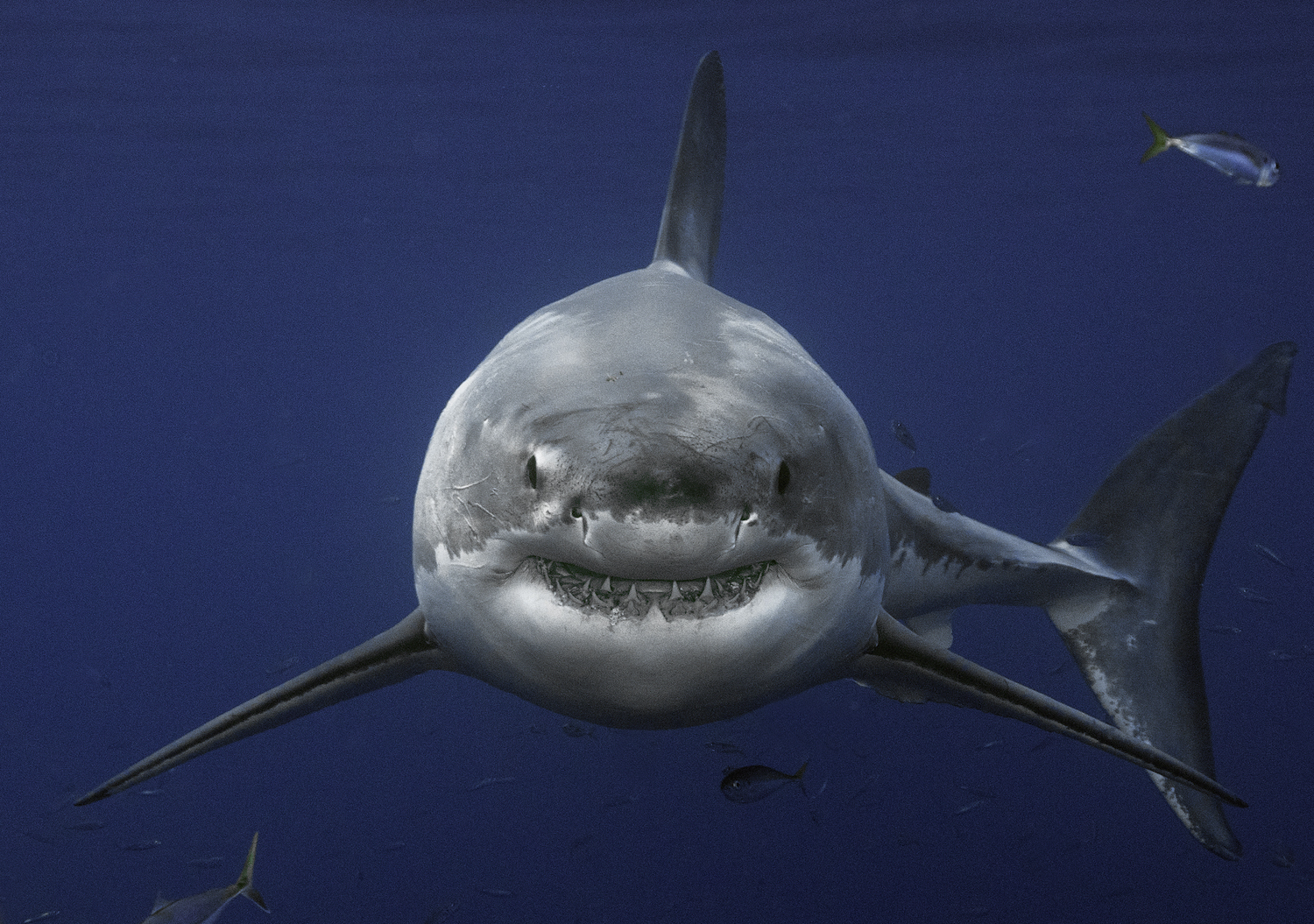
- Risk: Though a shark attack is highly unlikely, if it occurs, it is catastrophic.
- Prevention: Stay out of the water where sharks are known to be present. Particularly during feeding times. Do not wear shiny jewelry that can attract sharks. If a shark is sighted, stay calm, maintain eye contact. Slowly back away from the shark.
4. When to Seek Medical Help
Any marine life injury that involves:
- Severe pain that is not relieved by the usual firstaid.
- Any signs of infection: redness, swelling, and pus.
- Breathing difficulty, swelling of the face or throat or any other allergic reaction.
- Deep cuts; especially if involving penetration of poisonous
marine animals. - Embedded foreign materials like sea urchin spines which could
not be removed.
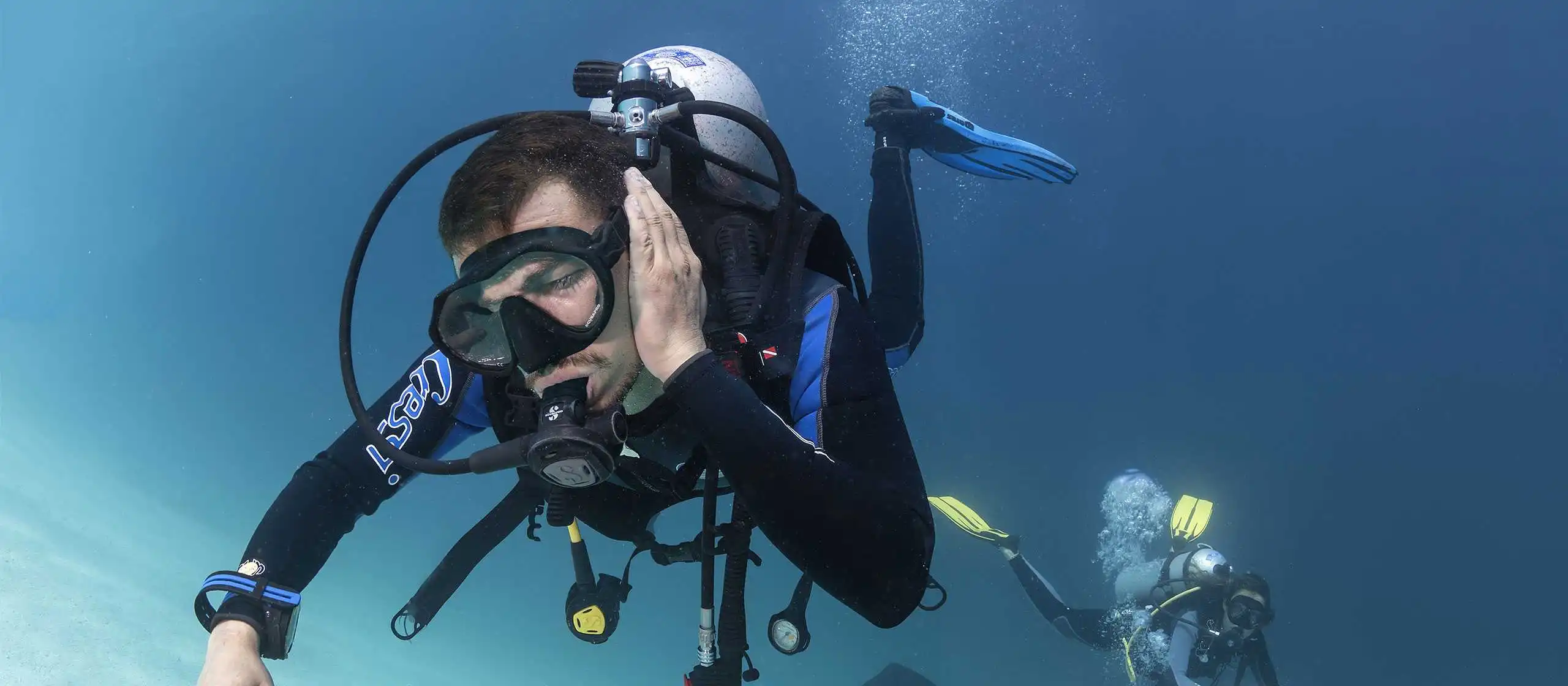
Every diver should carry a basic first-aid kit containing at least the following:
- Vinegar for jellyfish stings
- Tweezers for spines or tentacles
- Antiseptic wipes or solution for cleaning wounds
- Hot packs to soothe pain from stings or bites
- Bandages and sterile dressings
- Analgesics, like ibuprofen or acetaminophen
- Emergency telephone numbers of local medical facilities and dive operators
You shall dive to have an encounter with marine life, among many other beauties. Remember, these are wild creatures and can absolutely damage and hurt you if you do not treat them in the right manner. Proper knowledge of marine life’s behavior, precautionary measures to prevent harmful encounters, and the kind of treatment one can apply to particular injuries will secure you a safer experience. Whether you dive with sharks, through a beautiful coral reef, or just in open water to enjoy its stunning beauty, the central elements of a successful dive that inflicts zero injuries are staying informed and being prepared. Happy and safe diving!