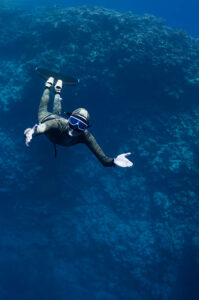
Scuba diving is an exciting and breathtaking pastime that allows divers to discover the captivating underwater world. However, like all severe sports, scuba diving comes with its dangers and ability risks. One of the most severe and potentially lifestyle-threatening headaches that can arise through scuba diving is gasoline embolism.
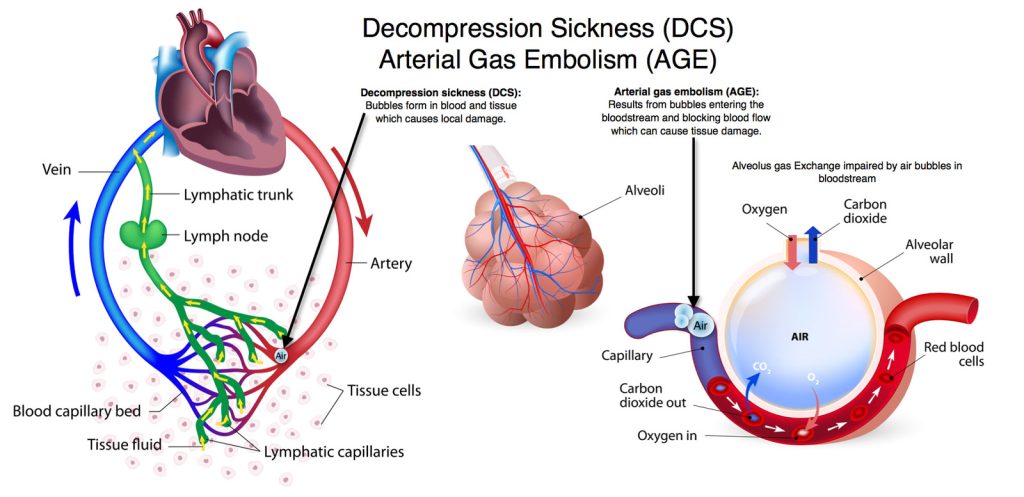
Gas embolism, additionally referred to as an arterial gas embolism (AGE) or pulmonary barotrauma, is a scientific circumstance wherein gas bubbles input the bloodstream and hinder the glide of blood through the arteries and veins, main to critical fitness outcomes. Gas embolism can occur in various situations, however, within the context of scuba diving, it is frequently associated with adjustments in strain for the duration of ascent and descent, as well as fallacious diving practices.
During a scuba dive, the pressure on the body increases because the diver descends deeper into the water. This strain causes the air spaces inside the frame, which include the lungs, to compress. As the diver ascends and the strain decreases, those air spaces expand. If the ascent is just too fast, the increasing air can cause lung overexpansion and rupture, leading to the release of gasoline bubbles into the bloodstream, resulting in gasoline embolism.
The signs and symptoms of gas embolism can vary depending on the severity and place of the gas bubbles within the body. Common symptoms include chest pain, issues breathing, confusion, lack of focus, weak points, blurred imagination and prescient, and numbness or tingling within the extremities. If left untreated, gasoline embolism can result in serious complications, including stroke, cardiac arrest, or even death.
Treatment for gasoline embolism normally includes emergency clinical interest and hyperbaric oxygen remedy (HBOT). Hyperbaric oxygen remedy entails breathing pure oxygen in a pressurized chamber, which allows for a reduction in the dimensions of the gasoline bubbles and improves blood drift to affected tissues, thereby reducing the risk of long-term harm.
To ensure protection whilst encountering potential threat elements for gas embolism for the duration of a scuba diving tour, divers have to adhere to the subsequent guidelines:
-
Proper Training and Certification:
Divers must undergo comprehensive schooling and achieve proper certification from reputable scuba diving organizations. This schooling must encompass training in the dangers of gasoline embolism and the essential abilities and information to save it.
-
Dive Planning and Monitoring:
Before diving, it’s miles vital to plan the dive thoroughly, considering factors including dive intensity, length, and decompression stops. Divers should be acquainted with the dive website, consisting of any ability dangers, currents, and underwater topography.
Utilize dive tables or dive computer systems to screen dive times, depths, and ascent rates. This can assist divers in keeping away from fast ascents and prolonged remains at deep depths, which are key risk elements for fuel embolism.
-
Ascent and Descent:
Practice controlled and sluggish ascents and descents. Ascend at a charge of no more than 30 feet (9 meters) a minute and perform safety stops as advocated by using dive tables or computers to allow for the off-gassing of nitrogen from the body.
-
Equalization Techniques:
Properly equalize the ears and sinuses in the course of descent to keep away from barotrauma and capability fuel embolism inside the top airlines. Encourage regular equalization and keep open communique with the dive buddy to ensure visibility and cooperation.
-
Breathing Techniques:
Emphasize the significance of right breathing techniques, along with slow and deep respiration, to reduce the threat of lung overexpansion injuries at some point of ascent.
-
Physical Fitness and Well-being:
Maintain precise bodily health and normal well-being. Regular workouts and a healthy way of life can decorate lung health and the frame’s capability to address stress adjustments throughout diving.
-
Diving within Limits:
Be aware of non-public limits do not exceed one’s schooling and enjoy a degree. Avoid diving deeper or staying longer than what is usually recommended based on individual certification and revel in.
-
Safety Protocols:
Adhere to conventional safety practices, consisting of the friend gadget, where divers live near a diving pal at all times. This will increase the likelihood of swift assistance in case of emergency.
-
Avoidance of Breath-Holding:
Stress the significance of in no way maintaining one’s breath in the course of ascent so that you can prevent lung overexpansion accidents and gasoline embolism.
-
Emergency Response Training:
Undergo schooling in emergency response and first aid, which includes capabilities particular to coping with diving-related incidents including gasoline embolism. Familiarize oneself with symptoms and symptoms to facilitate prompt intervention.
By following these protection measures and exceptional practices, divers can extensively reduce the chance of encountering gasoline embolisms and different diving-related accidents. Divers need to prioritize safety, adhere to installed diving protocols, and continue to be vigilant to ability threat factors for the duration of each scuba diving tour.
Gas embolism is a severe and doubtlessly lifestyle-threatening complication that could arise throughout scuba diving. Understanding the causes, symptoms, signs, and remedies of gasoline embolism is vital for all scuba divers. By following the right diving strategies, in search of appropriate schooling and certification, and adhering to safety pointers, divers can limit the chance of gas embolism and make sure a safe and exciting diving revels. Remember, safety must continually be the pinnacle priority when exploring the wonders of the underwater international.