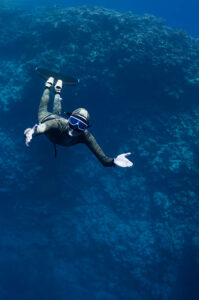
You know what? Cold water diving is extremely challenging to the human body, such that maintaining core temperatures and prohibiting dehydration becomes paramount for safety and comfort during prolonged immersion in water. This piece analyses the physiology behind thermoregulation and hydration and the subsequent practical strategy recommendations that one can use to manage their effects during immersion in cold water.
The Science of Thermoregulation in Cold Water
Cold water immersion rapidly subjects the body to heat losses, owing to water’s very high thermal conductivity compared to air, close to 25-fold greater. Very quickly, the body’s thermoregulatory mechanisms kick in and begin to:
Peripheral Vasoconstriction: Blood vessels near the skin constrict to reduce blood flow to the extremities, preserving heat for vital organs.
Shivering: Involuntary muscle contractions generate heat as a byproduct of increased metabolic activity.
Activation of Brown Adipose Tissue: Specialized fat cells in the body produce heat through nonshivering thermogenesis.
Yet, one thing that still happens is that when the cold water is quite long, it can lead to hypothermia in divers who do not take adequate protective measures.
Dehydration and its Cause in Thermoregulation
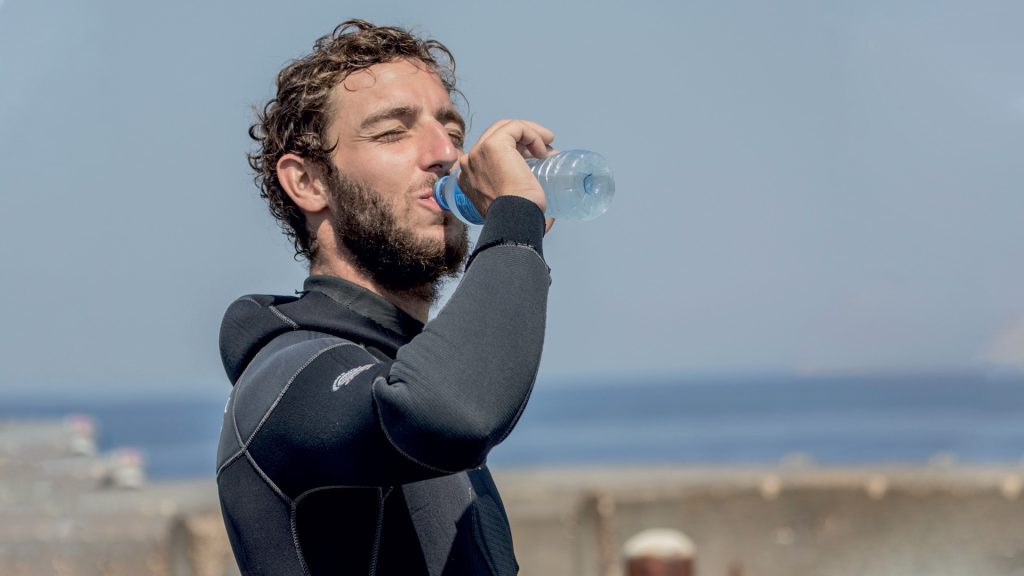
Immersion in Ice Cold Water Can Enhance Dehydration Induced by Increased Diuresis: The response of the body to colds produces an increase in the amount of urine, known as cold-induced diuresis.
Sweating in Wet Suits: People sweat even in cold conditions because of activity caused by exertion in dry suits or wet suits.
Respiratory water loss: Breathing compressed air, particularly in cold environments high amount of water from the lungs.
Therefore, dehydration impairs the ability of the body to regulate temperature thus increasing hypothermia risk.
Approaches to Consider for Thermoregulation
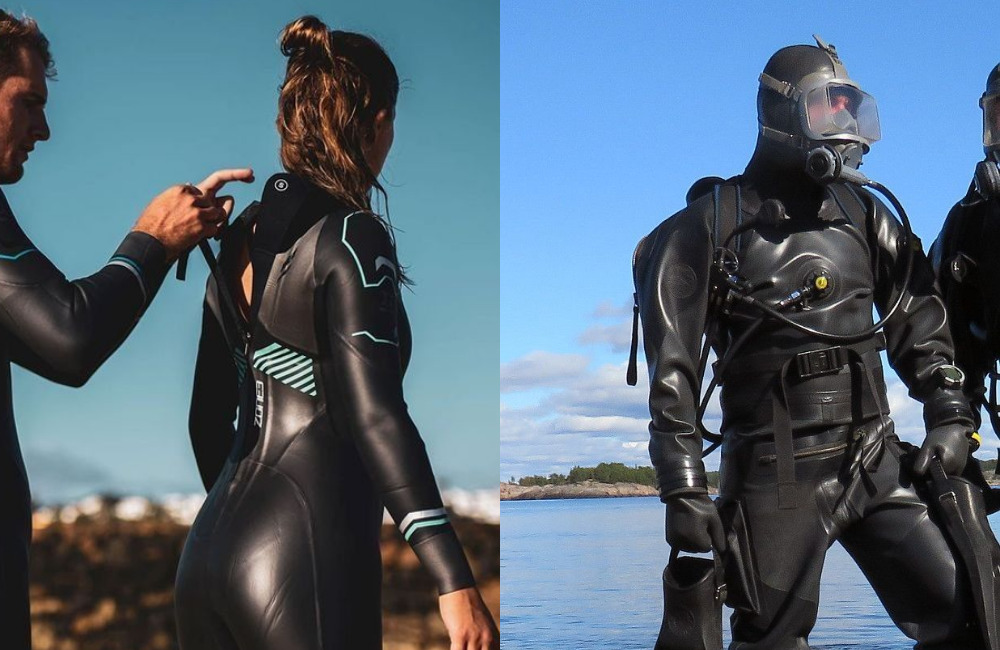
Cover the skin appropriately, and use a fit wetsuit, drysuit, or semi-drysuit to keep the body heat from being lost.
Thermal undergarments meant for diving are good at layering.
Preparation before diving
- Warming-up activities done before immersing in water will prepare one’s body core temperature.
- Warm-up gloves, hoods, or boots may be used.
Some Add Heat Actively: Vests or gloves can heat with batteries during longer dives.
The exposure time:
- Plan dives in such a way as to reduce time spent in cold waters.
- Schedule shorter dives with adequate surface intervals for recovery.
Hydration Tips for Divers
Pre-Hydration:
Drinking water or electrolytic solutions might help floaters get the last drops of fluid in before entering the water.
During Surface Intervals:
Consume hot, hydrating liquids just after dive intervals to get fluids in and maintain a relative core temperature.
Post-Dive Recovery:
Hydration by means of water or sports drinks, coupled with an exercise rest to avoid excessive caffeine or alcohol, should suffice in the accumulation of symptoms that may induce dehydration.
Monitor Hydration Levels:
Check by urine color; pale yellow is good hydration duck-dark yellow suggests dehydration.
Understanding the Risks
Hyperthermia followed by dehydration and poor thermoregulation comes at very high costs such as:
Hypothermia: Profound drop in the core body temperature which endangers physical and cognitive function.
Dehydration: Advanced fatigue, cramps, and a higher rate of decrease in the capability to regulate heat.
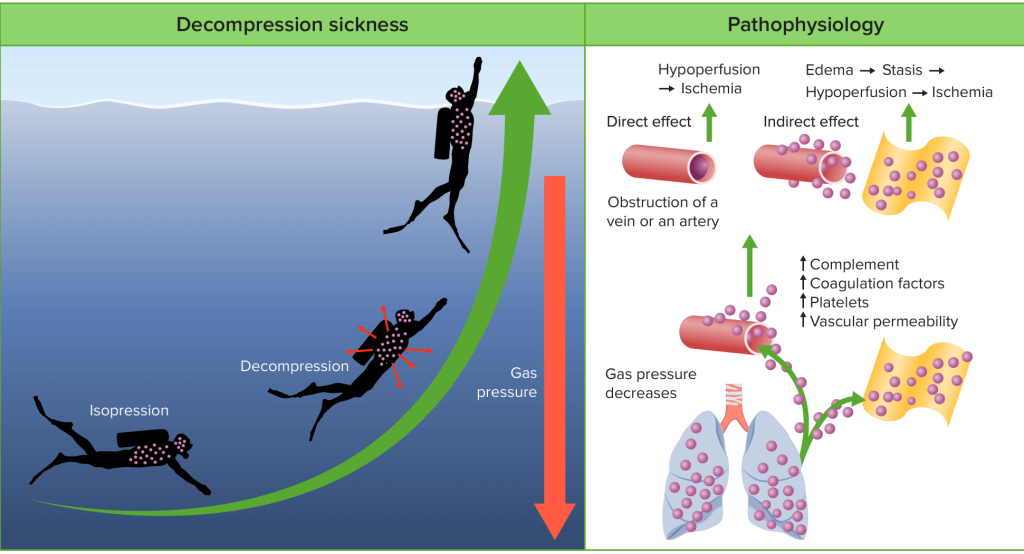
Decompression Sickness (DCS): The dehydration itself may increase the relative risk of DCS as its effect is lowering the elimination of nitrogen
Hydration and thermoregulation are management aspects associated with safe and enjoyable cold-water diving. Through clarity on the body’s response to cold water, divers can adopt many proactive approaches to enhance performance and mitigate risks with regard to immersing themselves in the enjoyment and wonder of underwater life.