Decompression sickness, better known as “the bends,” is a condition caused by ascending too quickly from deep underwater, where nitrogen bubbles could form in the body tissues and bloodstream. The condition represents a serious medical emergency often treated with hyperbaric oxygen therapy and involving the use of decompression chambers. These specialized treatments are very important in alleviating the symptoms and reducing the possibility of long-term injury from DCS.
Decompression Sickness
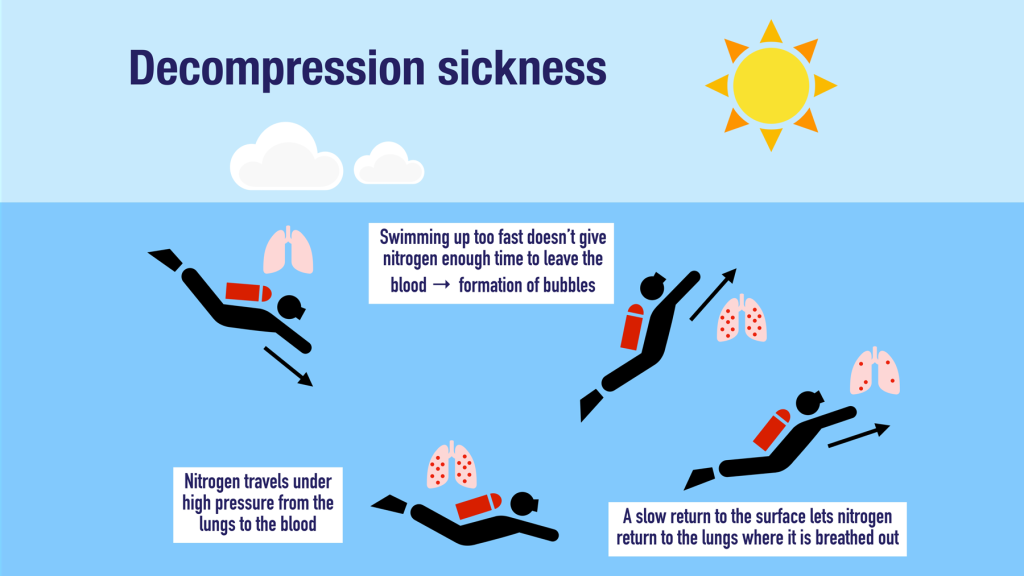
Decompression sickness occurs when a diver has been at a depth greater than 10 meters (33 feet) underwater for a period of time. The surrounding water pressure causes nitrogen gas from the air breathed by the diver to dissolve into the bloodstream and tissues. Normally, the nitrogen is exhaled without incident, but too-rapid ascents allow it to form bubbles that can block blood flow. Symptoms range from joint pain to neurological damage. DCS can affect nearly any part of the body lungs and heart to brain-and, if untreated, may cause permanent disability or death.
Hyperbaric Chambers: A Key to Treatment
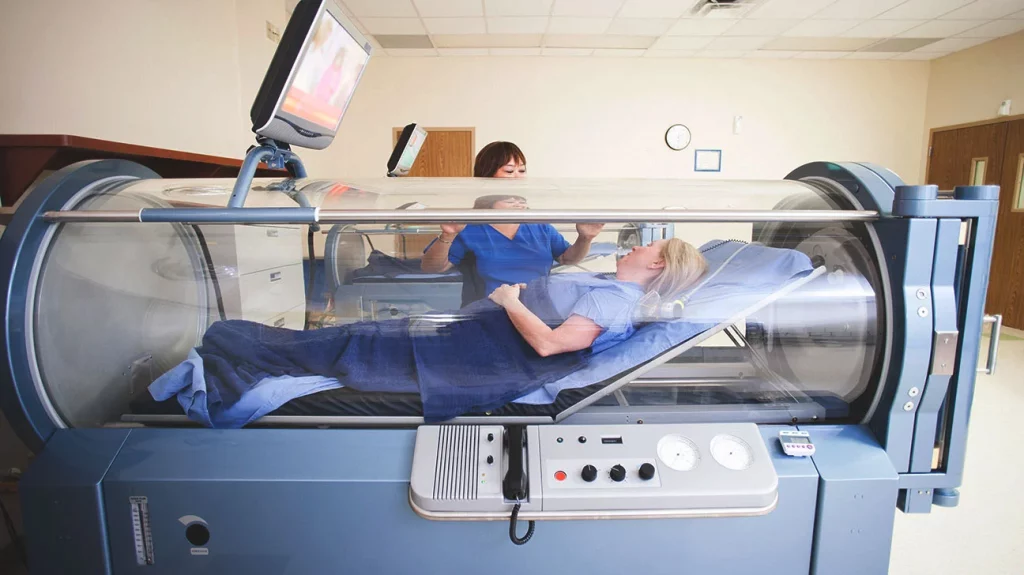
The cornerstone of treatment for decompression sickness is hyperbaric oxygen therapy, a process in which one breathes 100% oxygen in a pressurized environment. Hyperbaric chambers are specialized units where patients are placed in a sealed, pressurized room, typically at pressures ranging from 2 to 3 atmospheres (ATA). This higher pressure allows more oxygen to dissolve in the bloodstream and reach tissues more efficiently, helping to reduce swelling, neutralize nitrogen bubbles, and promote healing.
Basically, there are two varieties: the hyperbaric chamber includes both monoplace chambers and multi-place chambers
The monoplace chamber accommodates only one patient and is therefore normally rather small, even resembling something like a huge tube the patient will lie in. The whole chamber is then subsequently filled with oxygen.
Multiplace chambers: These are large, accommodative chambers that can have several persons subjected to this therapy at once. The chambers allow for individual masks or oxygen hoods for each while medical personnel can attend to the patient during the treatment process.
How Hyperbaric Oxygen Therapy Works
During decompression sickness, the high pressure inside a hyperbaric chamber decreases the size of the nitrogen bubbles formed within the body. Pure oxygen, on the other hand, speeds up the removal of nitrogen from the tissues. An increase in oxygen also allows the repair of damaged tissues and resolves inflammation by stimulating the new formation of blood vessels.
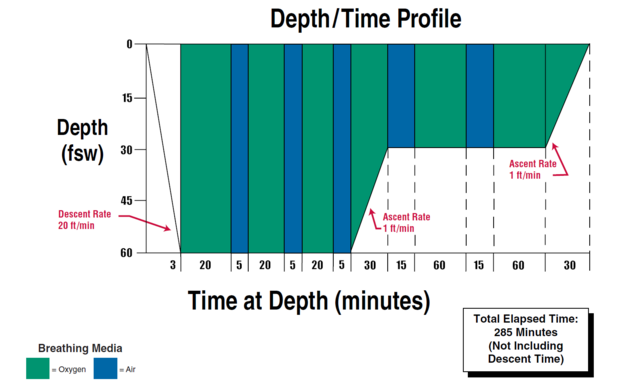
The patient is usually treated with the inhalation of 100% oxygen, which lasts for 30 minutes to 2 hours depending on the seriousness of the condition. For severe conditions, it may take several treatments in order to be completely free from symptoms and to avoid further complications.
Recompression Gear: A Vital Supplement to Treatment
While the hyperbaric chambers are major treatments for decompression sickness, recompression equipment does play an important role in certain incidences. Recompression equipment may include general diving equipment or special medical apparatus used during an ascent or descent to regulate the rate of pressure change and, hence, the risk of decompression sickness.
Diving Computers: These help a diver monitor the depth and speed of ascent to avoid rapid ascents in real time which could raise the chances of DCS. They calculate safe upward speeds and warn divers at times when they are greater than the acceptable limits.

Decompression Tables: These are printed or digital charts that detail what decompression stops must be made at what depth, necessary for the safe off-gassing of nitrogen. If their procedures are followed, DCS cannot occur.
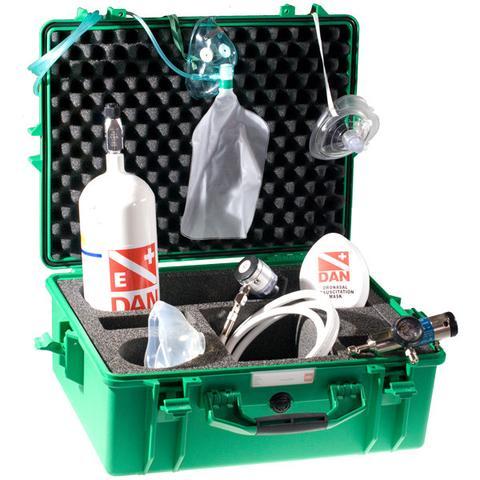
Emergency Oxygen Kits: In cases of decompression sickness, in-water or surface administration of supplemental oxygen can prevent or alleviate the symptoms. This has also been used as initial first aid prior to transportation to a hyperbaric facility.
Treatment Protocols for Decompression Sickness
Treatment protocols for decompression sickness depend on symptom severity and chamber type. Management typically involves several stages:
1. Initial Assessment: Medical professionals assess the symptoms of DCS, which include joint pain, dizziness, confusion, shortness of breath, or numbness. Early recognition is crucial for successful treatment.
2. Recompression in a Hyperbaric Chamber: The patient is placed inside a hyperbaric chamber in which the pressure is slowly raised. Oxygen is also delivered to enhance the removal of nitrogen and reduce bubble size.
3. Duration of Treatment: The treatment may take several hours and, in most instances requires a series of pressure sessions depending on the severity of the case.
4. Follow-up Treatment: In some instances, there may be a need for further treatment to eliminate the symptoms so that the patient will recover well.
Prevention of Decompression Sickness
While hyperbaric chambers and recompression equipment are crucial to the treatment of decompression sickness, prevention remains the best avenue to fight against the condition. A diver can lower the risks of getting DCS by observing the following precautions:
Slow Ascents: Go up gradually from the deeper depth for nitrogen to come out of the body without the formation of dangerous bubbles.
Decompression Stops: Make all proper decompression procedures and make necessary stops in ascents so nitrogen can safely get released.
Diving computers: while logging dive depth and time. Aids in avoiding staying beyond the limits of any given diver.
Pre-dive medical checks: Ensuring divers are fit physically and not fatigued prior to entering the water.
Hyperbaric chambers and recompression devices represent the cornerstones of a treatment system in the decompression illness of man, along with hyperbaric chambers aiding and treating divers. Treatment keeps other individuals affected by this horrible illness safe. It also plays a very vital role in the process of minimizing long-term damages and enabling recovery through the efficient facilitation of nitrogen bubbles’ removal and the encouragement of tissue healing. Prevention through proper dives, equipment, and planning is the most important, but quick response with hyperbaric treatment is key in subjects who suffer from the bends.