


The Special Equipment Designed for Scuba Divers and Materials for Underwater Exploration. One of the necessary scuba diving instruments is the camera and light which allows documenting the underwater environment and being underwater explorers. This is important, however, because it must expose the full water and withstand an enormous amount of pressure and impact. Therefore, understanding their importance in terms of impact resistance, waterproof ratings, and pressure tolerances will help derive selections that perform well under such demanding underwater environments.
Waterproof Ratings: Decrypting the Standards
Waterproof ratings are important rating parameters for the device as far as aquatic conditions are concerned. A standard has been set by manufacturers for rating the depth where the device cannot take water ingress. These ratings are normally given in meters or feet, like IPX8 or a specific depth designation such as “waterproof to 40 meters.”
IP Ratings: The Ingress Protection (IP) code system specifies the level of protection against solids (like dust) and liquids. For example, an IP68 rating indicates that the device is dust-tight and can be submerged in water beyond 1 meter, beyond what is set by the manufacturer.
Specific Depth Ratings: The dive cameras and lights have applied explicit tolerances to depth, for example, “safe to 60 meters.” You should only need to check that the stated depth exceeds your maximum diving depth because beyond this limit, the seals will not withstand much longer, and there may be leakage.
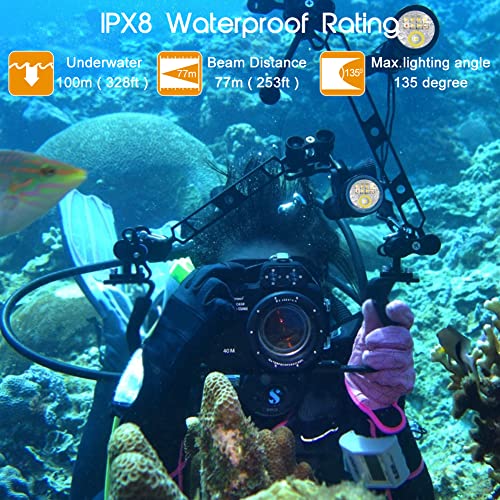
Pressure Tolerances: The Science Behind Underwater Drenching
On entering the water, one can expect an increase in pressure by approximately one atmosphere (14.7 psi) after every 10 meteres (33 feet). This increase in pressure puts so much force on equipment and makes it vital for underwater gear to be built quite tough.
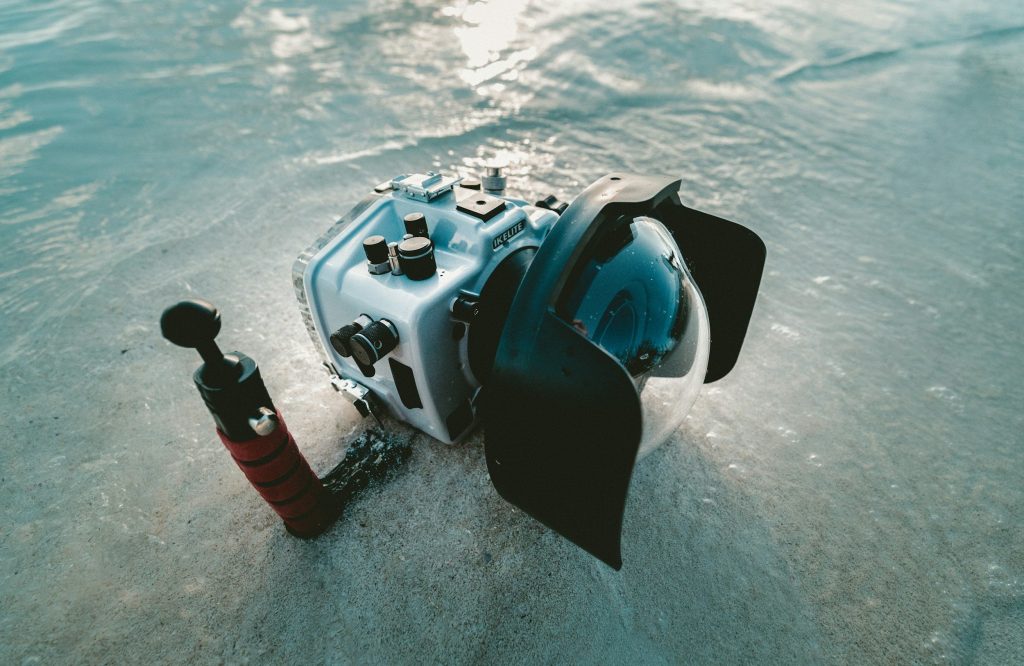
Housing Materials: Normally high-end and professional dive cameras and lights will come in either aluminum or polycarbonate housings, specifically designed to withstand compression. They will prevent deformation and maintain the integrity of the seals.
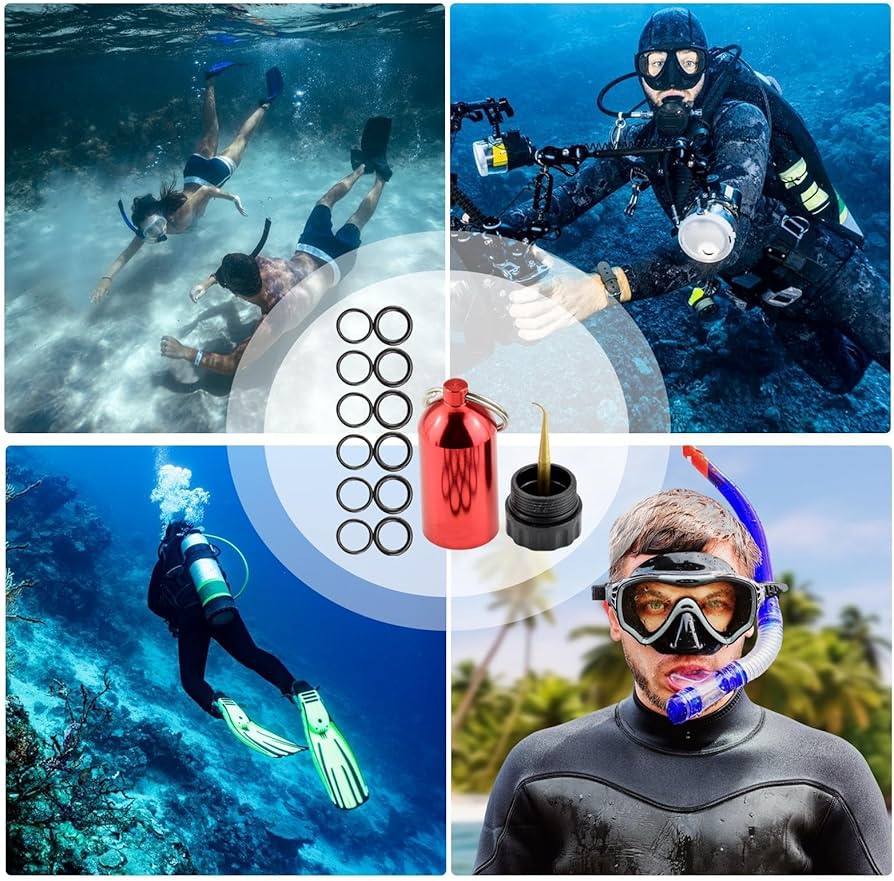
O-Ring and Seals: O-Rings are very important when ensuring the watertightness of the entire device. Normal maintenance, like cleaning and lubricating these components, ensures that they work under pressure.
Impact Resistant: Protection from the Unexpected
Diving equipment must also take the punishment of an accidental drop, scraping against rocks, or collision with other dive gear, in addition to having waterproof and pressure-resistance characteristics.
Shock Absorbing Design: Most dive lights and cameras are designed to have rubberized exteriors or some form of shock-absorbing internal design that can reduce damage by impacts.
Testing Standards: The manufacturer subjects some of the items to test drops or simulate collisions underwater to check how tough the materials are. Buy gear with explicit ratings for impact as these are a step safer.
Choosing the Best Equipment
Make specific needs and dive environments, when selecting dive cameras and lights:
Recreational Diving: For depths under 40 meters, light, compact gear with intermediate waterproof ratings will keep you fine. Popular examples also include action cameras with waterproof housings and small, handy lights for diving.
At the time you go beyond recreational depth, your equipment has to be rated at 60 meters or deeper. Such a product is designed with reinforced housings and improved seals that will be able to withstand extreme conditions.
Damage-Prone Environments: If you are the kind of diver who usually dives in an area where there are very strong currents or rocky terrains, invest in equipment with high impacts-resistance.
Maintenance Tips for Longevity
Proper maintenance will keep your dive cameras and lights up and running as always:
Rings and Gaskets: Check O-rings and gaskets for wear or debris before every dive.
Wash Thoroughly: Immediately after diving, wash equipment with fresh water to get rid of salt and sand.
Store Safely: Keep the equipment in protective cases against scratching, scuffing, or unintended impacts.
Service Regularly: Obtain advice regarding maintenance from the manufacturer and follow them, especially when diving on a regular basis.
It is impact resistance as well as waterproof ratings and pressure tolerances that form the cornerstones of reliability for dive cameras and lights. Understanding these specifications and investing in your own equipment after applying them to diving needs creates opportunities for mesmerizing clicks under the water, as well as illuminating the depths with confidence. Prioritize quality, maintain your work, and dive into fun but carefree underwater adventures.


