A little but vital piece of gear, the scuba diving tank valve, is the key to every diver’s safety and survival among the attraction of the ocean’s secrets. Hidden behind its unassuming exterior is a system for controlling pressurized air supply, which makes it an essential component of underwater research techniques as well as a technological need. Reaching the bottom takes more than just guts—it takes an in-depth knowledge of the instruments that keep life alive below the surface.
Types of Tank Valves for Scuba Diving
-
The K-Valve

In recreational scuba diving, the most popular kind of valve is the K-valve. The airflow from the tank to the regulator is managed by a straightforward on/off mechanism. By spinning a handwheel, one may open or close the airflow through the valve. Many divers like K-valves because they are simple, dependable, and simple to operate.
-
J-Type Valve

An earlier variant with a reservation mechanism built-in is the J-valve. By limiting the airflow, the reserve mechanism alerts the diver of low air pressure when the tank pressure falls below around 500 psi (pounds per square inch). Pulling a lever on the valve will allow the diver to retrieve the remaining air. Although the extensive use of pressure gauges has made this sort of valve less popular in modern times, some older tanks still have them.
-
DIN Valve

In the technical diving and European diving communities, DIN (Deutsches Institut für Normung) valves are frequently utilized. DIN valves feature a threaded connection that screws straight into the regulator, in contrast to K-valves, which have a yoke connection. This improves the seal and lowers the possibility of air leaks, particularly at higher pressures. Two popular thread sizes for DIN valves are 200 bar and 300 bar, with the latter being appropriate for tanks with greater pressures.
-
Y-Valve

Y-valves have two independent exits that are connected to a single tank, providing redundancy and safety. In the event that a regulator fails, this enables divers to connect two regulators to a single tank, supplying a backup air supply. Technical diving is one area where Y-valves are especially helpful since redundancy is essential to safety.
Scuba Diving Tank Valves’ Features
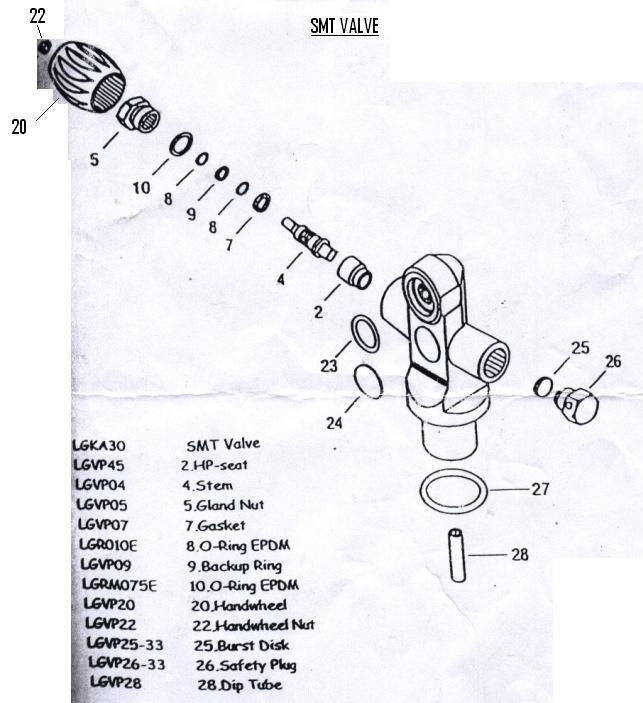
Tank valves for scuba diving include a number of characteristics that improve both their performance and safety. Check for the following important characteristics:
- Burst Disc: This safety device keeps the tank from blowing up from too much pressure. The burst disc will break and safely release any extra pressure if the pressure within the tank reaches a specified point.
- Pressure Gauge Port: Divers can check the tank pressure without connecting a regulator by attaching a pressure gauge to certain tank valves.
- Handwheel Design: The handwheel on some valves is big and comfortable to grip, which improves control—especially in the hands—especially when gloves are used.
Scuba diving tank valve maintenance
Tank valves require regular maintenance in order to be dependable and long-lasting. To keep scuba diving tank valves in good working order, follow these tips:
- Frequent Inspection: Check the valve frequently for wear, corrosion, or other problems. Keep a close eye on the o-rings and replace them if you notice any symptoms of degradation.
- Cleaning: To get rid of salt, sand, and other debris, rinse the valve with fresh water after every dive. Steer clear of utilizing abrasive or strong chemicals as they may harm the valve.
- Lubrication: To maintain the O-rings’ suppleness and guarantee a tight seal, lightly lubricate them with silicone oil. Be cautious not to lubricate too much since too much grease will draw in dirt and debris.
- Professional Servicing: As advised by the manufacturer, have your tank valve serviced by a qualified technician at least once a year. This guarantees that every part is in optimal functioning condition and that any possible problems are resolved before they worsen.
Every diver has to understand how scuba diving tank valves work. These valves are necessary for safe and pleasurable diving experiences because they regulate the airflow from the tank to the regulator. By familiarizing yourself with the various valve types, their features, and appropriate maintenance procedures, you can guarantee the safety and enjoyment of your scuba diving experiences. Whether you dive for fun or for a living, maintaining the general functionality and security of your diving gear starts with taking good care of your tank valve. Happy and safe diving!