The weight system, which aids divers in achieving neutral buoyancy underwater, is one of the most important parts of this equipment. Integrated weight systems and weight belts are the two primary kinds of weight systems used in scuba diving. Every option has benefits and drawbacks, and the decision between them frequently comes down to personal taste, diving circumstances, and the kind of diving being done.
Systems of Integrated Weight
The buoyancy control device has built-in integrated weight systems (BCD). Because of its design, divers may disperse their weights more equally across their bodies, which frequently results in an underwater profile that is more streamlined.
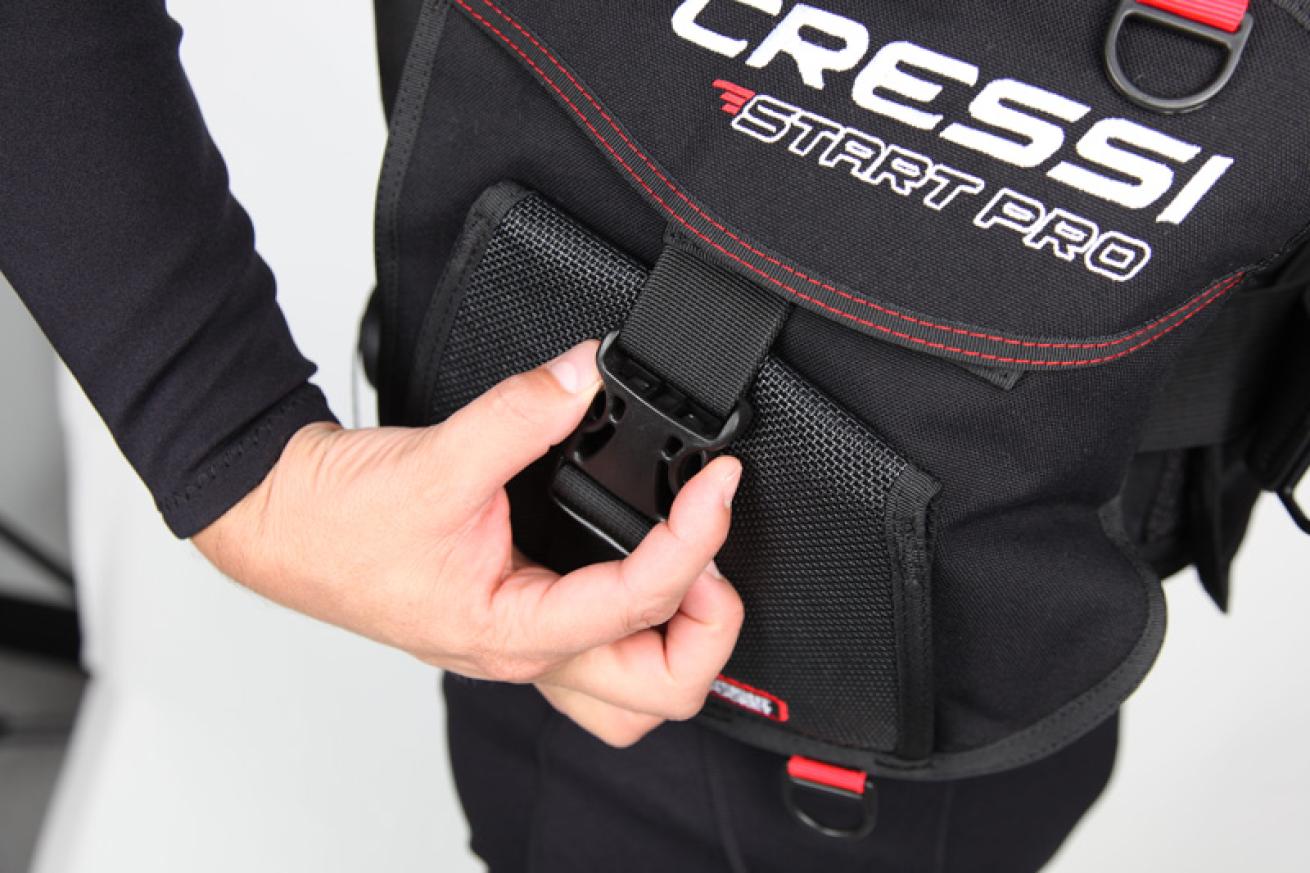
Benefits
- Comfort: The BCD’s integrated weights relieve strain on the diver’s hips, making it more comfortable, particularly for extended dives.
- Streamlining: By enhancing a diver’s hydrodynamics and lowering drag, integrated weights can increase swimming efficiency.
- Convenience: Divers may more easily remove their weights in an emergency by using integrated weight systems, which frequently have quick-release mechanisms.
- Security: Because the weights are firmly secured inside the BCD, they are less likely to move or fall off by mistake.
Drawbacks:
- Cost: Compared to standard BCDs, BCDs with integrated weight systems often cost more.
- Weight Distribution: Although integrated weights increase comfort levels overall if they are not balanced appropriately, they may result in an unequal distribution of weight.
- Bulk: When carrying or packing equipment, some divers feel that integrated systems are more difficult to manage and bulky.
Belts for Weight
The conventional way of carrying weights when scuba diving is using a weight belt. They are made up of weights stitched onto a belt that is worn around the diver’s waist.
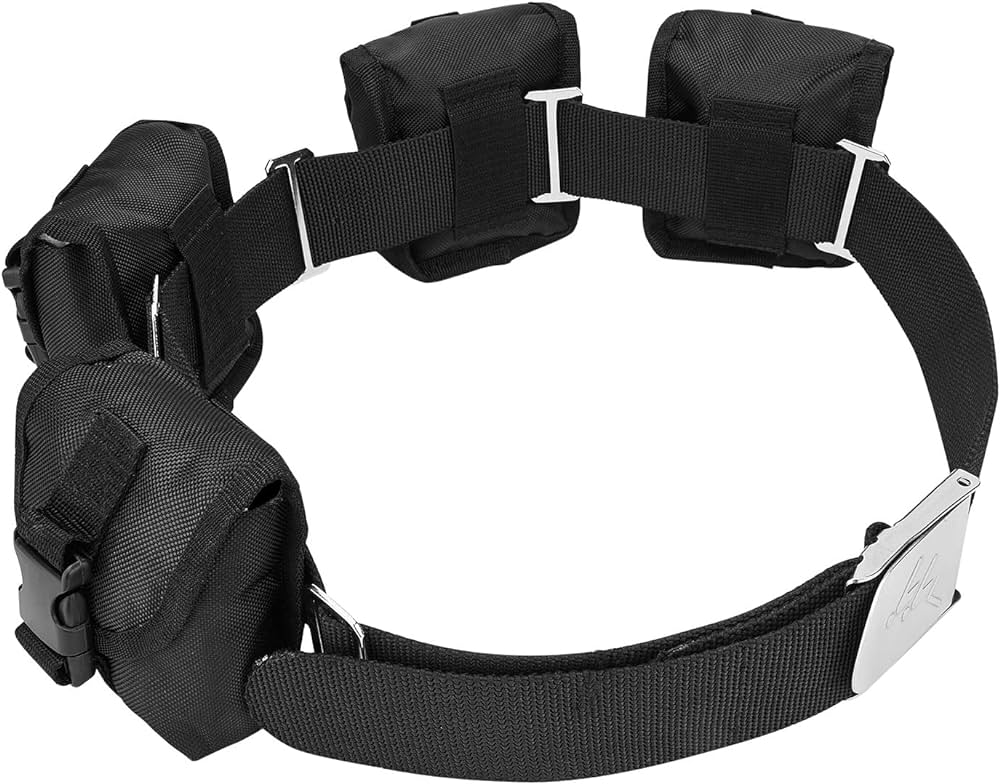
Benefits
- Cost-Effective: Weight belts are a more affordable choice than BCDs with integrated weight systems since they are often less expensive.
- Simplicity: Weight belts have fewer moving parts that might break or need maintenance, making them simple to use and easy to understand.
- Flexibility: To accommodate varying diving circumstances or individual preferences, divers may effortlessly modify the weight and its distribution on a weight belt.
- Weight belts are compatible with all types of BCDs, which makes them an adaptable option for divers who can utilize various gear setups.
Drawbacks:
- Comfort: Because weight belts put all of the weight on the hips, they can be uncomfortable, especially for lengthy dives. This may result in bruises or pain.
- Security: During a dive, there’s a chance that weight belts can slide or come free, which might be dangerous.
- Streamlining: Compared to integrated systems, weight belts may produce higher drag, which might reduce swimming efficiency.
- Emergency Release: Although weight belts are intended to be swiftly released, in actual use, ditching them in an emergency might occasionally be more difficult for them than for integrated systems.
Picking Weight Belts vs Integrated Weight Systems
Dive operators should assess comfort, affordability, convenience of usage, and dive needs when choosing between integrated weight systems and weight belts. The following situations might make one method better than the other:

- Technical Divers: Due to their flexibility and simplicity of adjustment, weight belts may be preferred for divers who must carry a lot of gear.
- Traveling Divers: Weight belts may be more practical because of their reduced size and ease of use, especially if mobility and packing efficiency are priorities.
- Recreational Divers: Integrated weight systems may be more comfortable and convenient for divers who typically dive in warm seas with little equipment.
Weight belts and integrated weight systems are personal choices, and many divers discover that their tastes change as they gain more experience. Diving enthusiasts may make an informed choice that improves their underwater experience by using both systems and learning about their advantages and disadvantages. Happy and safe diving!