There’s no denying the thrill of discovery, but there’s also a real understanding of the possible perils involved in this underwater journey. Your diving gauges now become your most reliable allies, giving you the vital information you need to safely maneuver and control your dive. Knowing how to use these tools well may make the difference between an exciting dive and a risky one. Dive gauges are more than simply tools; they are the defenders of your underwater experience, making sure you come up from the water in great health and with life-changing experiences.
Diver gauge types
1. Depth Measure
An essential piece of equipment for each diver is the depth gauge. In order to monitor and manage dive profiles, it measures the diver’s depth in the water. Typically, depth gauges are available in two types:
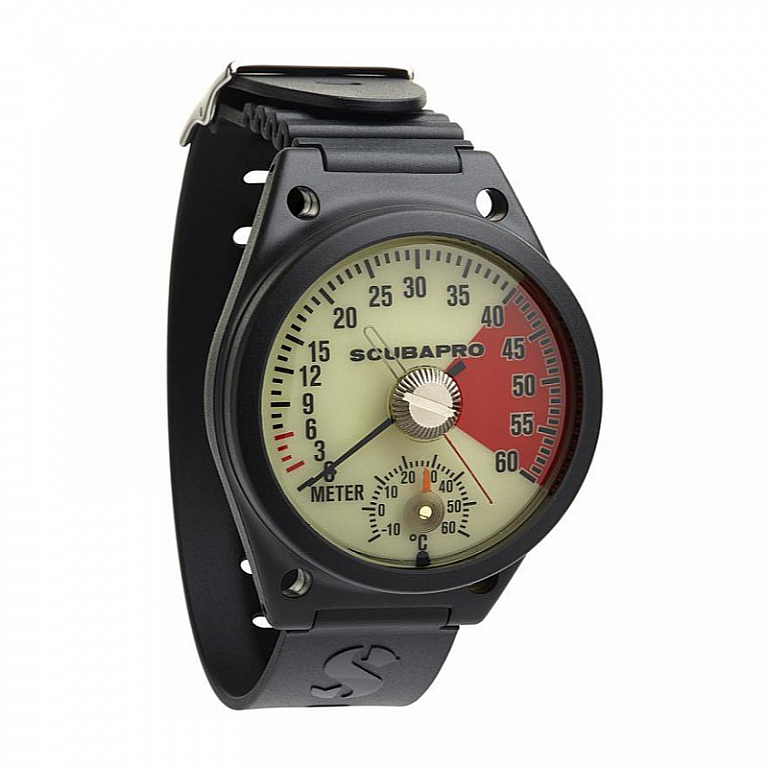
- Analog depth gauges: These gauges show depth on a dial by means of a needle. They don’t need batteries and are easy to use and dependable.
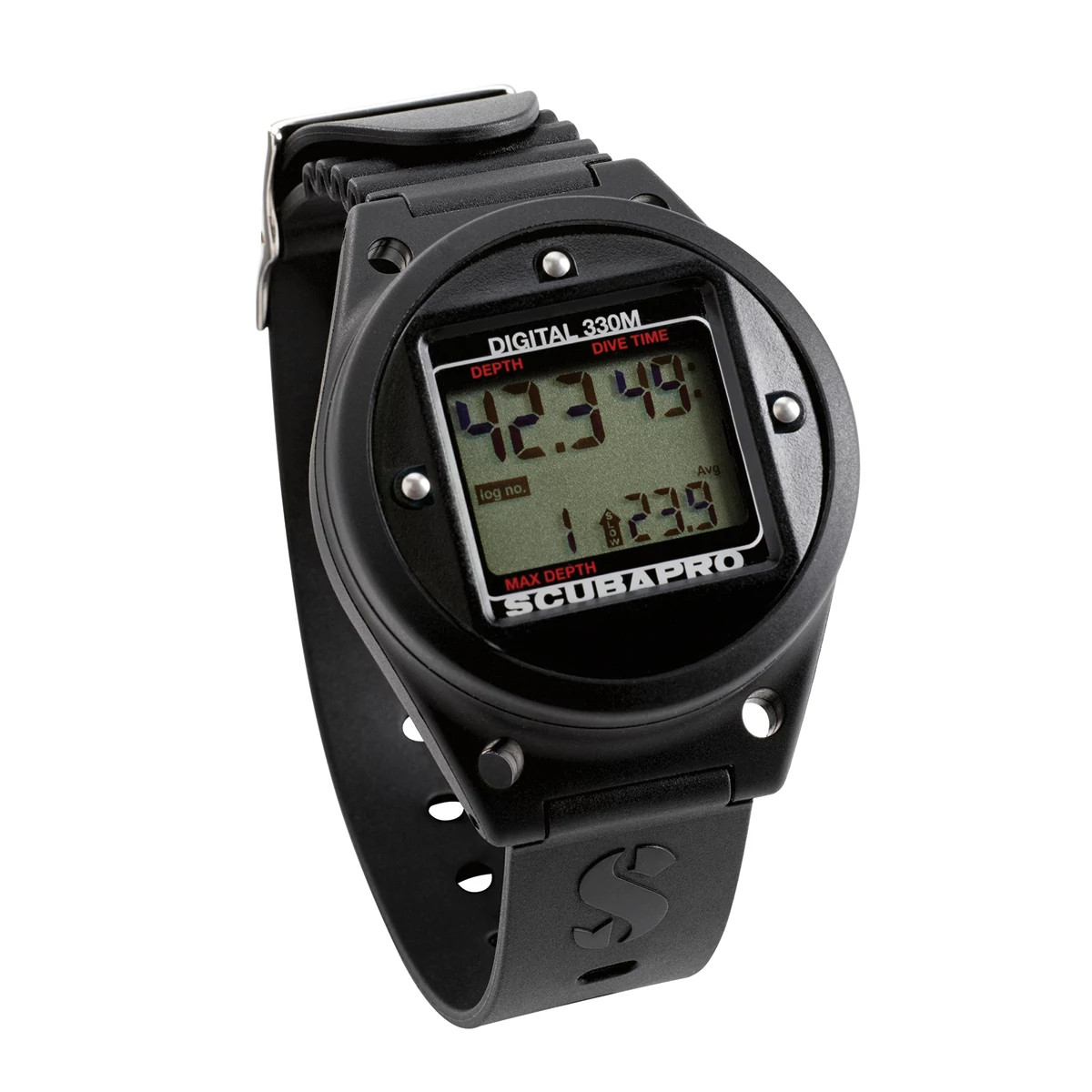
- Digital depth gauges: These offer a display of the depth digitally and frequently have other functions like dive time and the maximum depth reached. They can be included in dive computers or used as stand-alone devices.
2. Submersible pressure gauge, or SPG, or pressure gauge
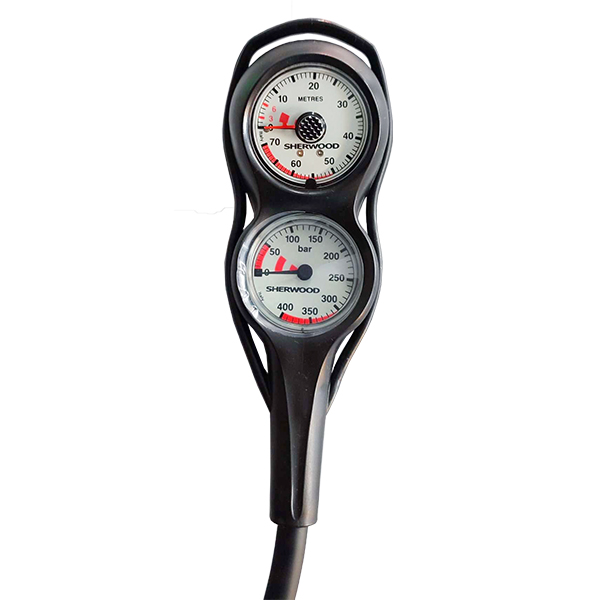
The air pressure in the diver’s tank is measured by the pressure gauge, sometimes referred to as the submersible pressure gauge (SPG). Planning the dive and making sure the diver has a safe reserve of air when they return to the surface depends heavily on knowing how much air is left in the tank. SPGs are usually linked to the diver’s regulator’s first stage and are analog in nature.
3. Dive Computer
Diving has been transformed by modern dive computers, which integrate several gauges into a single apparatus. A dive computer computes no-decompression limits, records depth, duration, and ascent rates, and may even take into consideration many dives with different profiles. Scuba computers’ salient characteristics comprise:
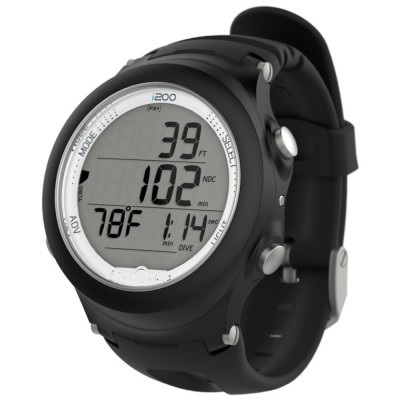
- The current depth and the greatest depth achieved are provided by real-time depth monitoring.
- In order to prevent decompression sickness, No-Decompression Limits (NDL) determine the amount of bottom time that remains within safe bounds.
- Ascension Rate: Tracks the rate of ascension to make sure it stays within acceptable bounds.
- Diving Profiles are recorded in the Dive Log for future review.
4. Compass
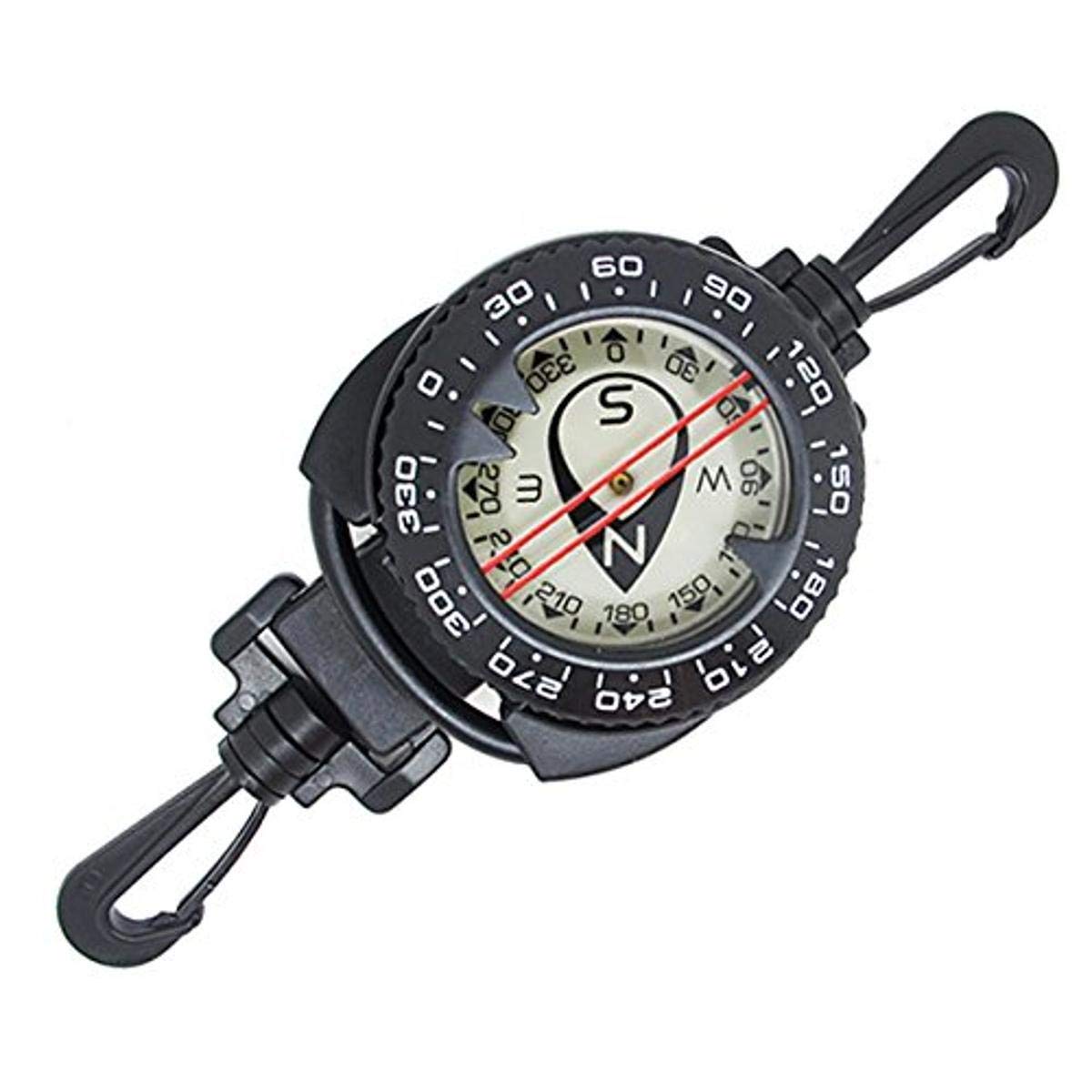
The compass is a vital navigational aid for divers even though it isn’t a gauge in the conventional sense. It aids in underwater orientation maintenance, point-finding, and navigation back to the starting place for divers. Compasses can be attached to the wrist, built onto consoles, or included in a dive computer.
The Value of Diving Gauges
- Safety: By giving divers access to real-time data, dive gauges can help them steer clear of potentially hazardous circumstances like running out of air, climbing too rapidly, or going deeper than is safe.
- Planning: Divers may efficiently plan their dives by having accurate information on depth, time, and air supply. This helps them stay under no-decompression restrictions and have enough air reserves.
- Confidence: Divers may concentrate on enjoying their underwater experience since they know they have dependable tools to keep an eye on their condition.
The safety and enjoyment of scuba diving are greatly enhanced by the use of dive gauges, which are essential equipment. The essential information divers require to safely explore the underwater environment is provided by these devices, which range from simple depth and pressure gauges to highly advanced dive computers. Understanding and effectively utilizing dive gauges is vital for a good dive, regardless of experience level. Happy and safe diving!