The light goes out as you descend down, and the surroundings take on a gloomy, bluish hue. One vital component in this alluring but difficult setting makes all the difference between a boring photo and an amazing one: light. In this article, “Lighting Up the Deep: A Guide to Strobes and Focus Lights for Underwater Photographers,” we’ll examine how using the appropriate lighting equipment may bring the undersea world’s hidden beauty to light and push the boundaries of your photography.
Lighting Is Crucial for Underwater Photography
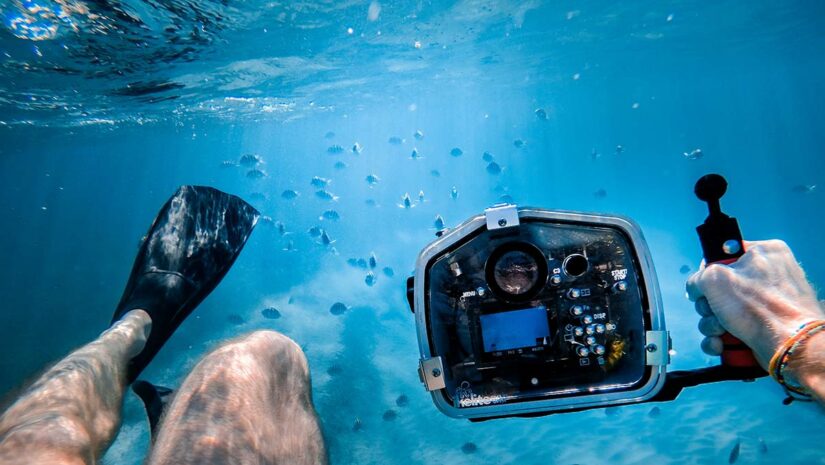
Light is swiftly absorbed by water; blue light disappears last, while red light goes out at around five meters (16 feet). If no extra illumination is used, this absorption produces pictures that are lifeless and boring. In order to produce vivid and dynamic photos, strobes and focus lights are used to assist bring back the original colors and details that were lost in the shadows.
The Main Source of Light: Strobes

Strobes: What Are They?
Strobes are strong underwater flash devices that produce short, bright flashes. They are the main source of light for underwater photography, giving forth the light needed to catch things in motion and bring out their actual hues.
Strobe Types
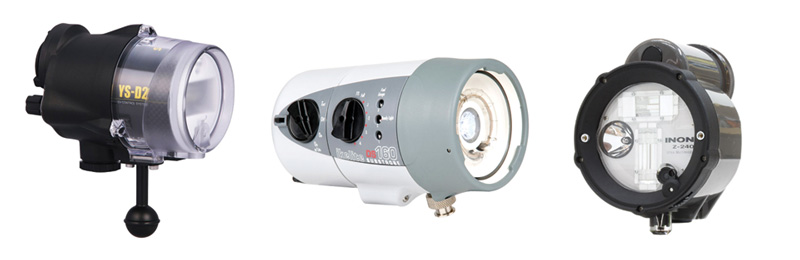
Photographers using manual strobes must manually control the light output. Although they provide more control over illumination, their proper usage requires expertise.
Through-the-Lens (TTL) strobes: These automatically modify the light output in accordance with the metering system of the camera. TTL strobes are easy to operate and perfect for novices.
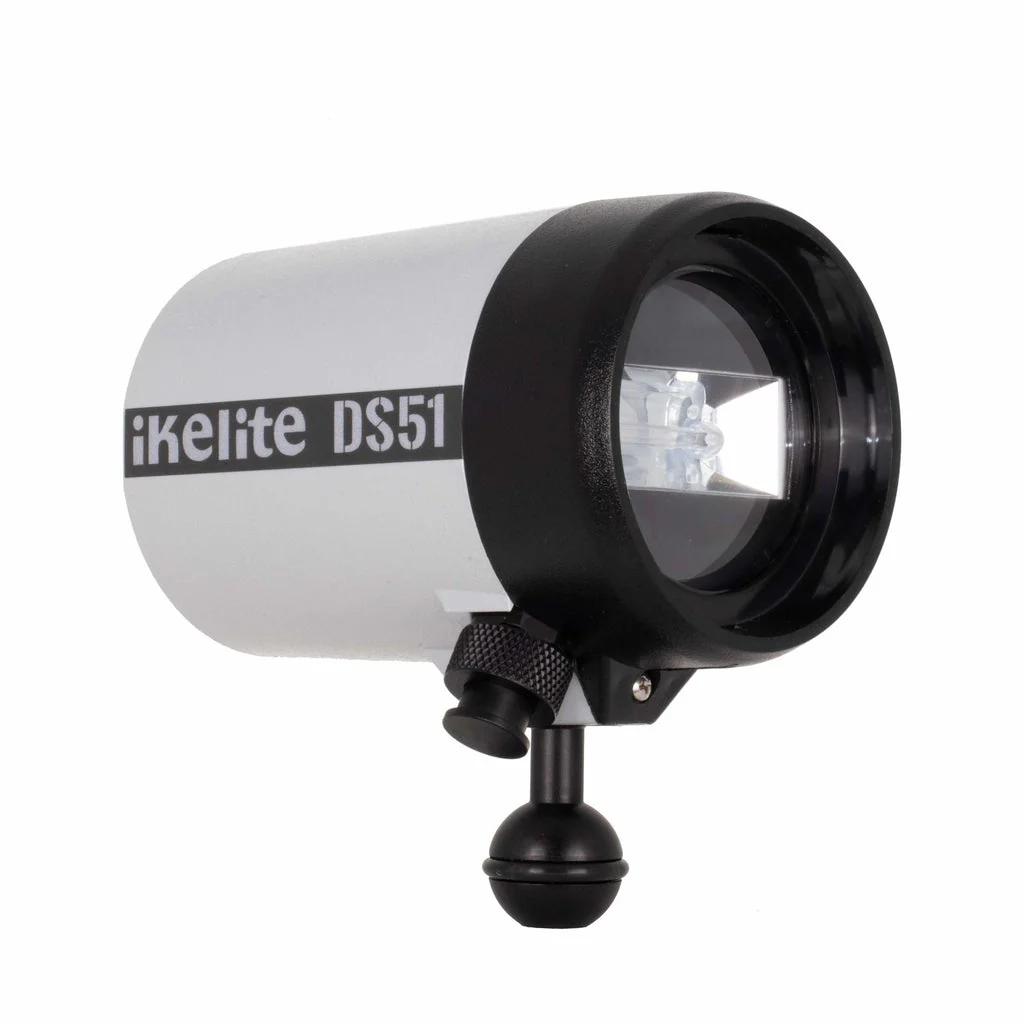
Important Elements to Take Into Account
- The guide number denotes the intensity of the strobe. Stronger strobes are associated with higher guide numbers.
- Beam Angle: For wide-angle photography, a beam angle that is broader covers a greater region.
- Recycle Time: The amount of time the strobe needs to rest in between bursts of light. Fast-paced shooting is preferable with shorter recycle times.
How to Effectively Use Strobes
When using strobes, positioning is essential. Sharper pictures are obtained by positioning them somewhat obliquely to the subject, which lessens backscatter, or the reflection of light off water droplets. Achieving the ideal lighting effect involves experimenting with the location and strength of the strobe.
Focus Lights: Increasing Accuracy
Focus Lights: What Are They?
Continuous light sources called focus lights are mostly utilized to help the camera’s focusing function in low light. They aid with the photographer’s vision and composition as well.
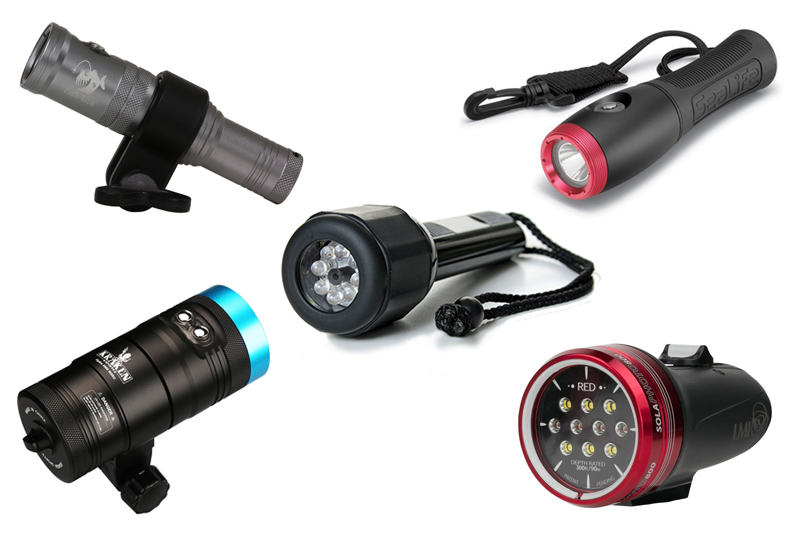
Focus Light Types
- Fixed Beam Lights: These offer a steady, unwavering light beam.
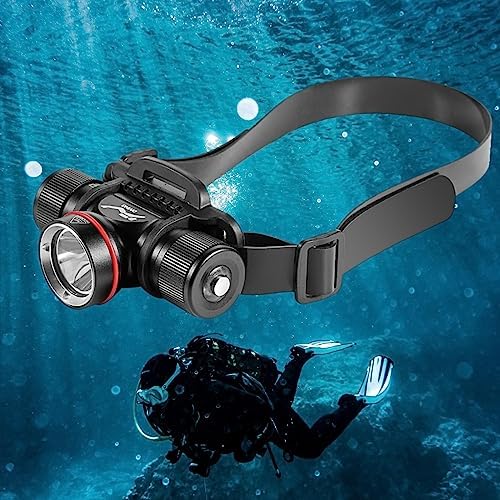
- Adjustable Beam Lights: These provide greater versatility by letting the photographer change the beam’s breadth and intensity.
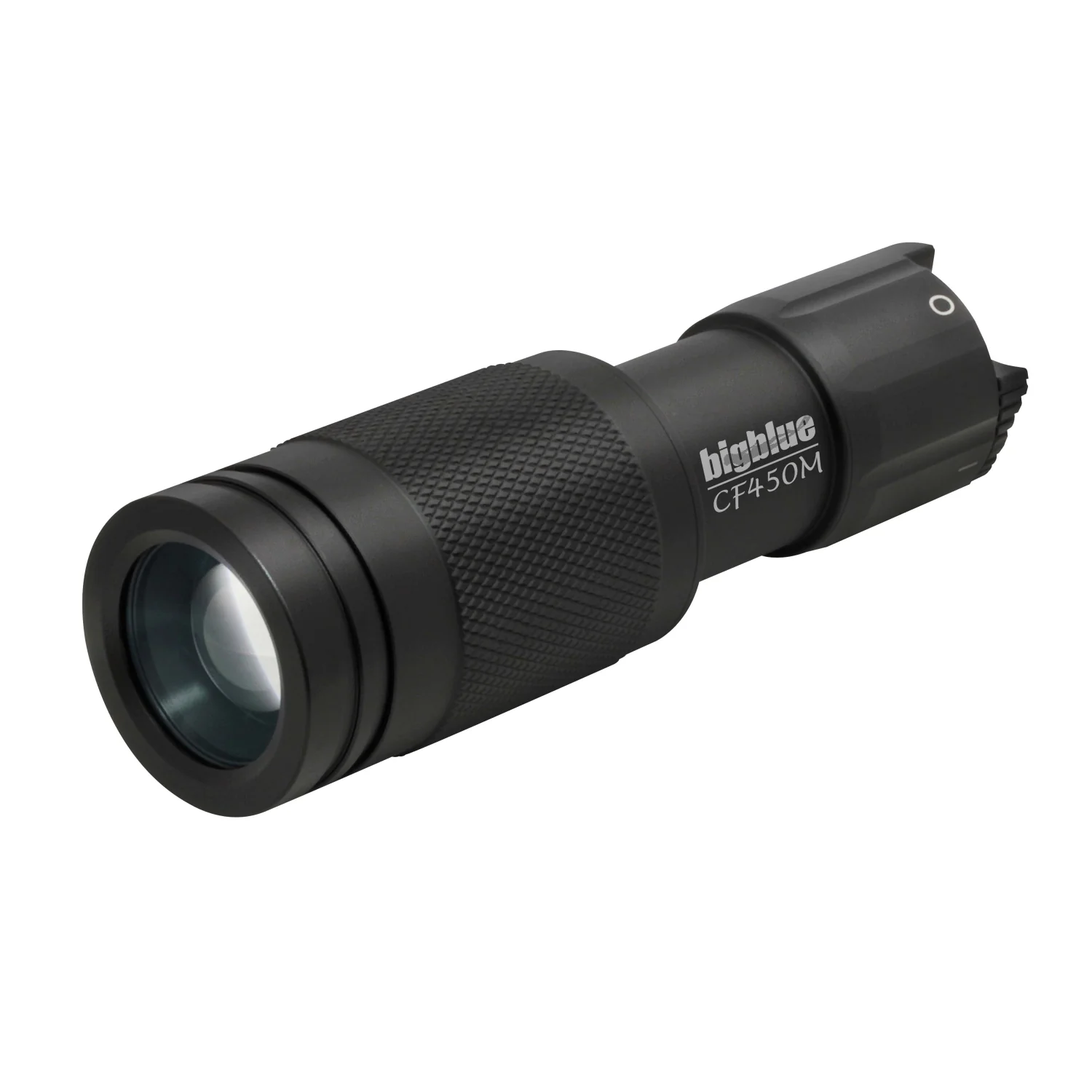
Important Elements to Take Into Account
- Lumens are used to measure brightness. Brighter lights have a higher lumen count.
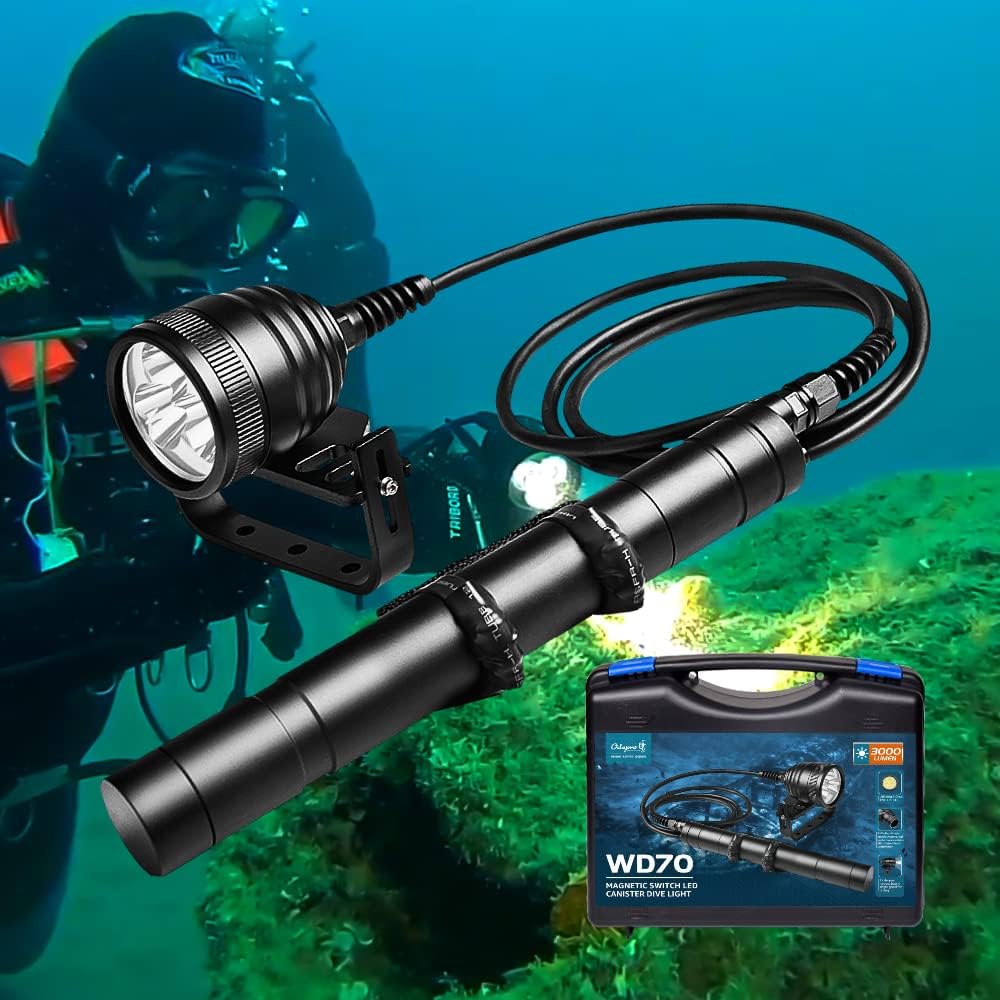
- Beam Quality: For precise focusing, a uniform, smooth beam is ideal.
- Extended battery life guarantees that the light will continue to function over longer dives.
How to Use Focus Lights Well
It is important to position focus lights such that they illuminate the topic without producing too much backscatter. In order to prevent overwhelming the strobe’s brightness, they are frequently used in conjunction with strobes and are switched off or muted right before snapping the picture.
Using Focus Lights and Strobes Together
Focus lights are vital during the setup phase, even if strobes are necessary for taking the final picture. Photographers may guarantee crisp, well-lit shots by merging both. Here are some pointers for combining the two:
- Syncing: Make sure the strobe’s light isn’t obstructed by the focal light. When the strobe fires, many focus lights incorporate an automated shut-off mechanism.
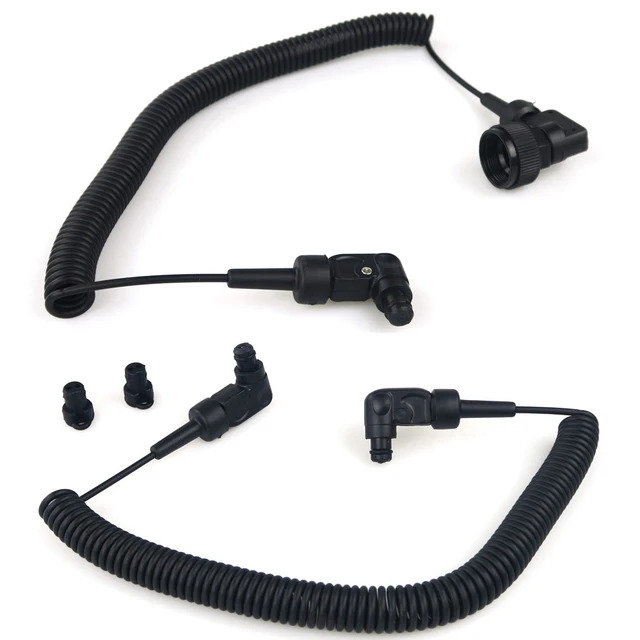
- Placement: Proper placement of both lights can reduce backscatter and produce more evenly lit areas.
The underwater photographer’s toolkit is incomplete without strobes and focus lights. They expose the rich hues and minute details of marine life, bringing life to the dark, blue world under the surface. By knowing the qualities, kinds, and practical applications of these lights, underwater photos may be greatly improved, turning them from unremarkable snapshots to magnificent pieces of art. When illuminated properly, the ocean’s depths may be seen as a work of unmatched beauty and awe. Happy and safe diving!