Protecting the ocean doesn’t always start with big organizations—it often begins with one idea and a group of people who care. Whether you’re a diver, a beach lover, or simply want to make a difference, starting your own ocean conservation project is a powerful way to create real positive effect near your home.
With the right plan, teamwork, and passion, even small actions can result in effective change that lasts for our seas. In this article, let’s discuss together some tips to help you to start your own ocean conservation project and turn then into a meaningful project that brings people together and helps protect the deep blue.
Community Projects for Ocean Conservation
The oceans consists of many diverse habitats that can survive by depending on a very delicate balance. Unfortunately, all the current different marine ecosystems are under threat due to human activity. On the positive side, this means you have many areas in which your conservation efforts can make a real difference.
Using the PADI Blueprint for Ocean Action as a guide, here are some areas on which your own ocean conservation project can focus:
- Multiply Marine Protected Areas (MPAs).
- Protect marine species.
- Accelerate the recovery of coral reef.
- Increase blue carbon habitats.
- Remove marine debris from the ocean.
Where Are You Going To Make an Impact?
Community ocean projects can focus on education like helping local businesses adopt sustainable tourism or on taking action, such as organizing beach clean-ups. The most impactful projects combine both.
You could educate on minimizing using plastic and follow up with Dive Against Debris dives in order to clean up the dive sites in your local area. Projects can also focus on habitats, such as mangrove planting, or on the species of marine creatures, like protecting turtle nests in locations at risk.
Then again, you can help in restoring marine habitats, through coral farming for instance, or focus on preventing future damage, such as teaching local kids how to snorkel and become the future conservationists.
Community projects can also contribute to global efforts, like citizen science programs for Coral Watch or the Manta Trust database. Conversely, They can also be independent projects designed to suit local needs. This could involve controlling invasive species or monitoring marine protected areas. Wherever your own passions is about, there are many ways to make a difference.
Getting Started on Your Own Ocean Conservation Project
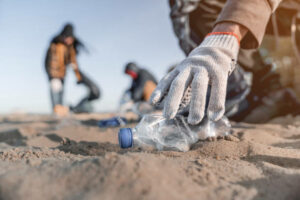
Once you’ve decided how to put your own fingerprint, Roll up your sleeves now and get started! These simple tips to help you with your first steps.
1. Talk to the community
Regardless being local or not, you can obtain valuable input from key local stakeholders. Target teachers, officials, beachside businesses, or the general public. They can help you in understanding their needs, other projects that they already have, the chance to partner with others who share your goals.
.
2. Draw up an action plan
Once you get the idea of your project and validate it with the community, the next step is drawing up an action plan. Decide the specific activities you will be doing. Are they a one-time thing, for example installing the structure of an artificial reef, or do they need ongoing attention, for instance, caring for a coral nursery.
3. Make It Sustainable
If you are looking to make a big difference for many years by making your ocean conservation project have a long shelf life, ensure to set it up for the long term. Do you need any permits or registration to get funding? What are the running costs? How much time will it take?
Are there are any available educational resources or training materials, such as the free Green Fins conservation tools? Do you have the needed skills for all the project’s aspects, or do you need support? If you want ongoing help, Have you the ability to create a volunteer program that can benefits both sides?
4. Get the Resources
After crunching the numbers and know the possible costs for your community project, you need now to think about funding. The options include, asking for donations or sponsorships, host fundraisers, request government subsidies, sell merch, or apply for grants, like the PADI AWARE Foundation™ Community Grant.
5. Market your project
If you seek for a greater impact, ensure to tell more people about all your ocean conservation project. You can use flyers or town halls to inform the locals and visitors. If you want to have a broader reach, the best way is using social media, but unfortunately this way need from you consistent effort and can be time-consuming.
After applying these tips, you’re ready to go! Starting your own ocean conservation project is a fantastic way to create the needed change you want to see, and take good steps in the way to have a better future for our oceans.
Don’t forget that any small actions can make a big difference and create a ripple effect to save the deep blue.