Scuba diving brings together adventure, science, and art. One of the most vital skills taught to every diver is how to breathe efficiently. Increasing dive time does not only add pleasure to the dive but is also important for safety reasons, lowering the risks associated with running out of breathing air. We shall discuss some basic useful techniques to manage air consumption and extend your time underwater in this section.
1. Master Your Buoyancy
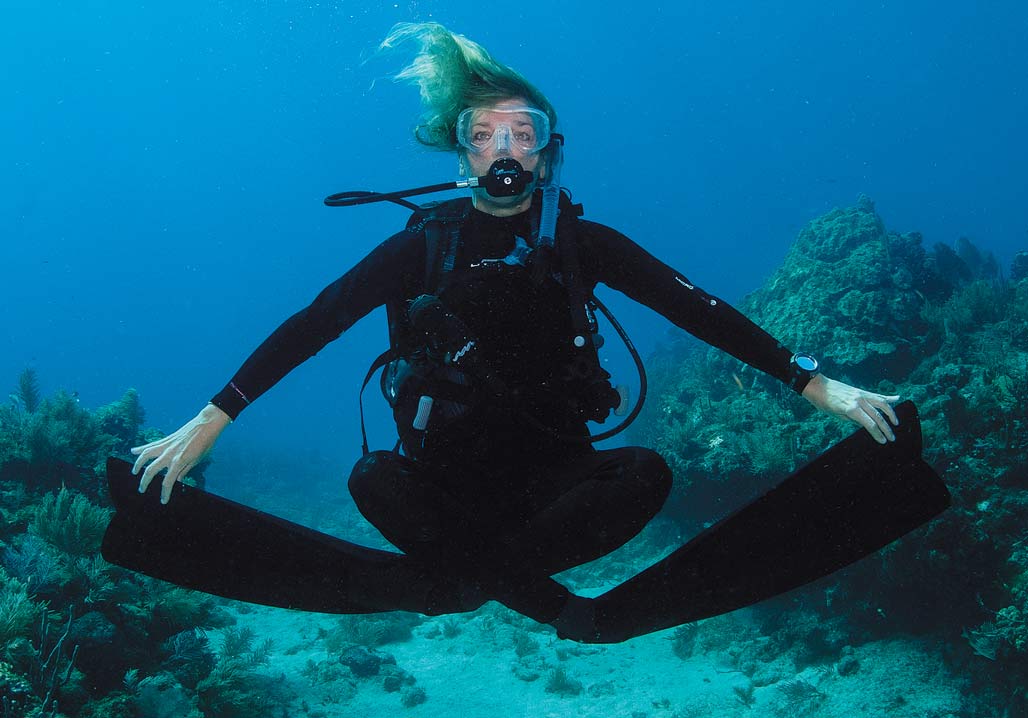
Good buoyancy control forms the core of managing consumption of air. If you have perfect buoyancy, you maintain a stable position in the water; you are not constantly swimming up toward the surface or down toward the bottom. It diminishes the need to inflate or deflate your BCD, using less and less air for all these adjustments.
Tips for Better Buoyancy:
- Make an adequate weight check at the surface. The more underweighted or overweighted you are, the more energy you use in holding your position in the water and hence breathe more air.
- Do deep and slow breathing to make your ascents and descents without using your BCD.
2. Breathe Deep and Slow
How you breathe will directly influence how much air you consume. What you should aim for here is to breathe deep and at a steady rate rather than shallow and fast. Deep breathing will ensure that your lungs are exchanging air to their full capacity with the maximum amount of oxygen absorbed, yet keeping the volume of air used at a minimum.
Controlled Breathing Techniques:
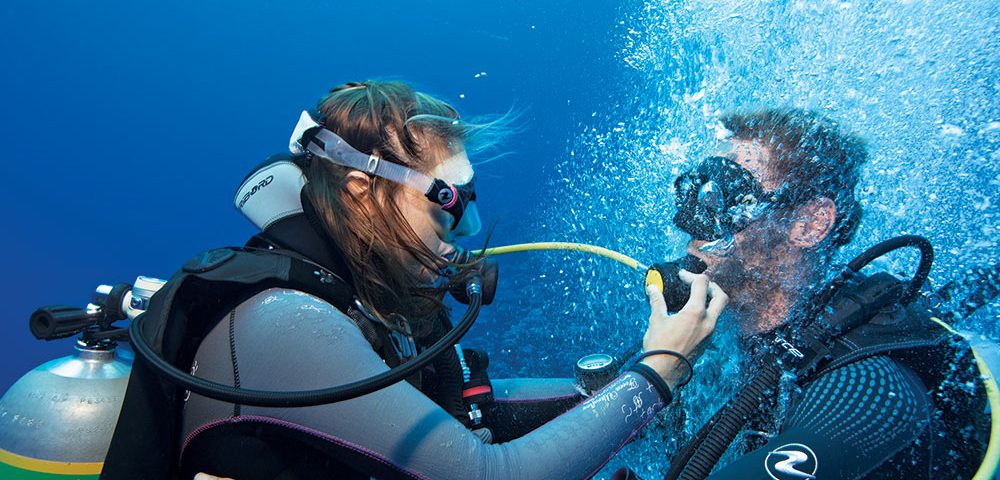
- Inhale slowly through your mouth, filling your lungs completely.
- Briefly pause after inhaling, then exhale slowly and fully.
- Keep your body extended and focus on exhalation, as it will not allow the CO2 to build up in the organism, which may provoke too frequent breathing.
3. Streamline Your Body and Gear
The principal way of saving energy during a dive is reducing drag. The less energy you use up for the same dive, the less air you consume. Streamlining your body and gear minimizes drag and resistance to water, making it easier and more comfortable to move through it.
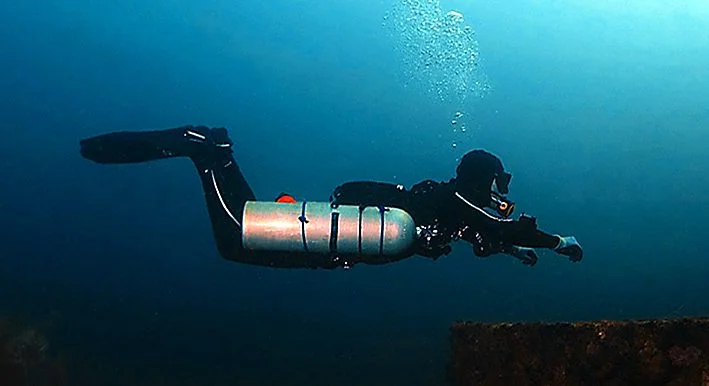
How to Streamline:
- Swim with your arms tucked into your body and legs in a straight position.
- Streamline or tuck close to your body all gear that may drag, such as gauges and hoses.
- Invest in low-profile or compact equipment that provides less resistance toward a streamlined shape.
4. Maintain a Relaxed State
Anxiety and stress might cause rapid breathing and, thus, air consumption. The body state should always remain relaxed to ensure work efficiency in relation to air consumption.
How to stay relaxed:
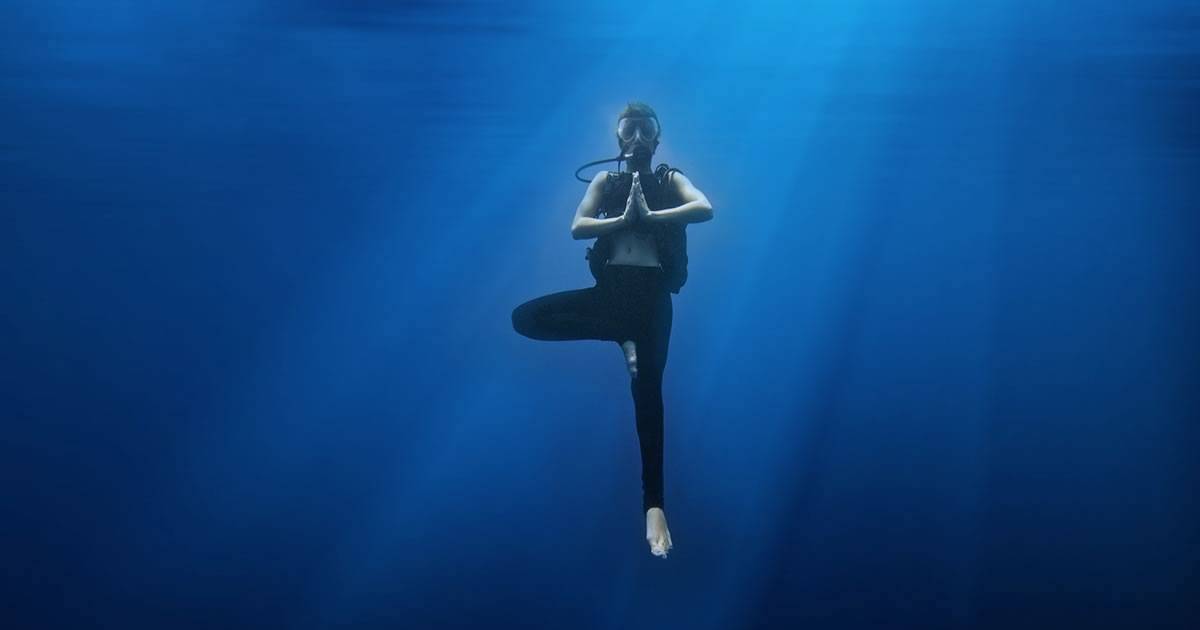
1. Do meditation before and during the dive. Mindfulness will also be very helpful.
2. Think about the whole environment underwater, not about the air in your tank.
3. Gain experience and training; this builds confidence, which automatically reduces anxiety.
5. Be Economical in Swimming
Effective swimming techniques conserve energy and air. If you are relaxed at a steady pace, you can more than double your bottom time.

Swimming Tips
- Kick your legs smoothly without splash or overexertion, using a flutter kick with your fins.
- Avoid any use of your hands to propel yourself through the water; instead, use your fins for all your propulsion.
- If diving in a current, plan your dive to swim with the current when possible and thus save energy in moving through the water.
6. Manage Your Dive Computer Properly
Modern dive computers come with amazingly useful feedback that can be of big help in better managing your dive. Keeping track of your depth, time, and consumption of air helps you to make adjustments effectively for the better conservation of air.
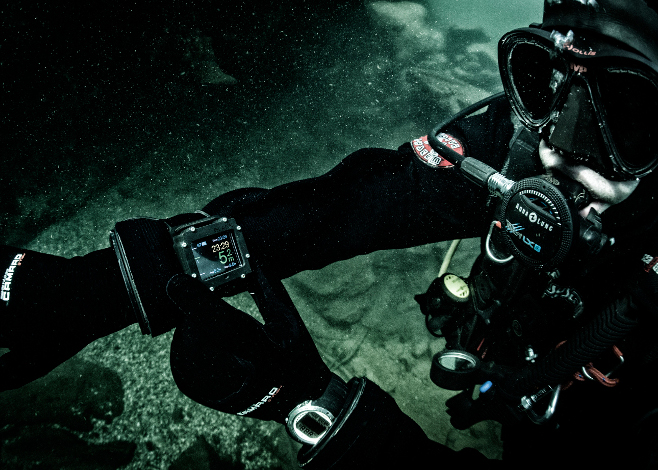
Dive Computer Best Practices:
- Set audible alarms to your depth and air pressure so that you are alerted when it is time to begin your ascent or if your breathing rate increases.
- Continue to monitor how much air you have remaining and, based on that, make an estimate of the amount of time left at your current breathing rate.
- Plan your dive and swim to minimize unnecessary deep dives and rapid ascents, both of which increase air consumption.
7. Ascend Gradually
The higher you go, the less the ambient pressure, so your air will actually last longer. By making a gradual ascent at the end of your dive, you can use more of your remaining air.

Gradual Ascent Tips:
- Make a safety stop at 15 feet for 3 minutes. This again helps in prolonging dive time with added safety.
- Use the time during your ascent to relax and enjoy the view, reducing your breathing rate.
Air consumption can be controlled with practice and a little awareness towards the ‘third dimension’. By perfetcing your buoyance, breathing, body position streamlined, relaxation, your swimming technique, how you use your dive computer, and gradual ascents, you will be surprised at how much more time you are able to stretch your bottom time. Whether you’re visiting a colorful coral reef or the remains of a sunken ship, these techniques will let you have the maximum fun from your dives, yet safely. Happy and safe diving!