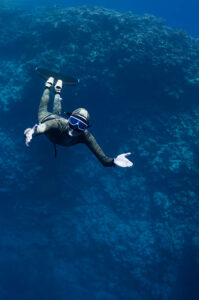
Just Imagine yourself diving into the fascinating underwater environment, where the dazzling coral formations and diverse marine life entice you to explore further. Deeper exploration soon becomes confusing due to the wide, unlabeled area, which turns the thrill of discovery into a possible threat. This is the point at which being proficient with an underwater compass becomes vital. Accurate navigational abilities allow divers to safely follow pre-planned courses and locate destinations, providing the excitement of seamless exploration with added safety. You will discover how to become an underwater compass expert and make every dive an exciting journey by following the instructions in this article.
Why the Underwater Compass Is Important
Diving sites, which might range from crystal-clear tropical waters to gloomy rural lakes, sometimes lack obvious markers that can direct divers to certain spots or return to their starting point. In these kinds of conditions, an underwater compass is a dependable navigational tool that helps drivers stay on course and prevents them from becoming lost. Because it keeps divers from wandering into hazardous regions or losing sight of their dive location, this is very important for safety.
Methods for Acquiring Mastery with the Underwater Compass
1. Recognizing the Compass
-
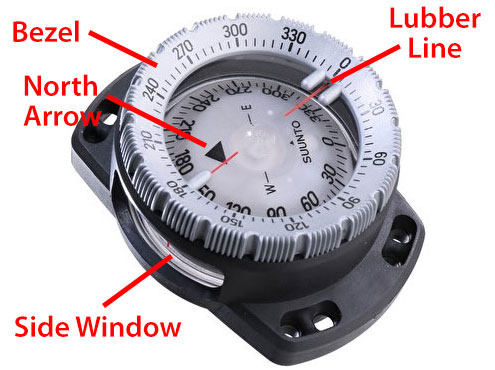
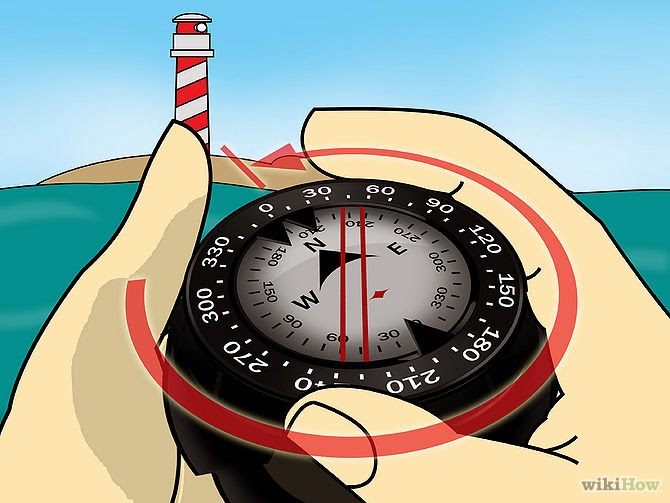
Components: The parts of an underwater compass are usually a lubber line, a revolving bezel, and a magnetized needle pointing in the direction of magnetic north. The first step to using these tools effectively is becoming familiar with them.
-
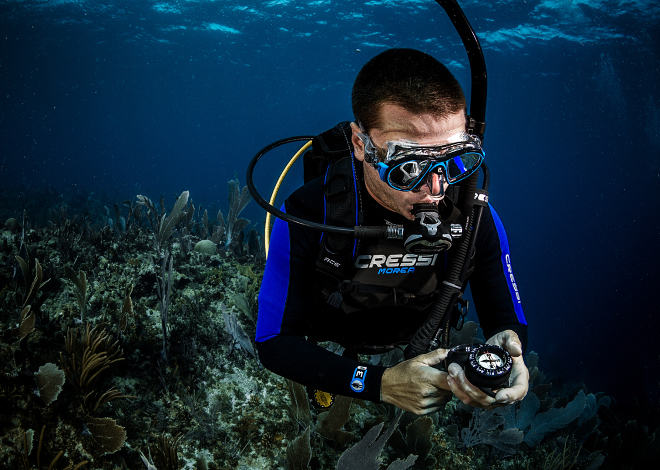
How to Hold the Compass: To get correct readings, the compass has to be kept level and steady. For convenience and visibility, many divers utilize a wrist-mounted compass.
2. Fundamental Navigational Skills:
-
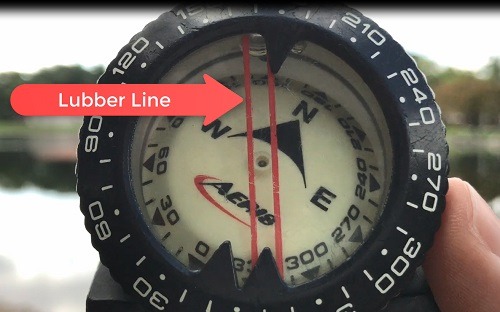
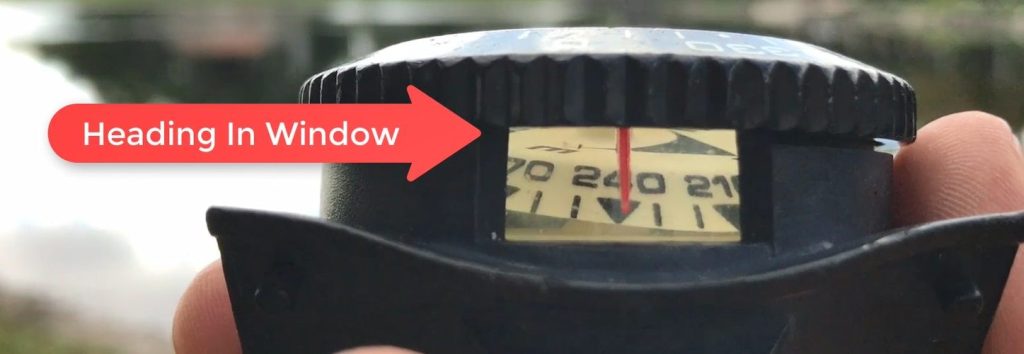
Setting a Bearing: Divers can set a bearing to follow a certain direction by lining up the lubber line with their planned path and turning the bezel until the needle points in the direction indicated by the north indication.
-
Sustaining a route: Throughout the dive, checking the compass often aids in keeping the predetermined route. Minor changes can be required to take currents or other environmental elements into account.
3. Sophisticated Methods:
-
Reciprocal Bearings: Divers utilize a reciprocal bearing, which is 180 degrees opposite the initial direction, to return to a starting place. This method makes sure there’s an easy way back.
-
Navigating barriers: Divers can utilize the compass to make diversions when they come across barriers. After taking note of their starting bearing and navigating past the obstruction, they retrace their steps.
-
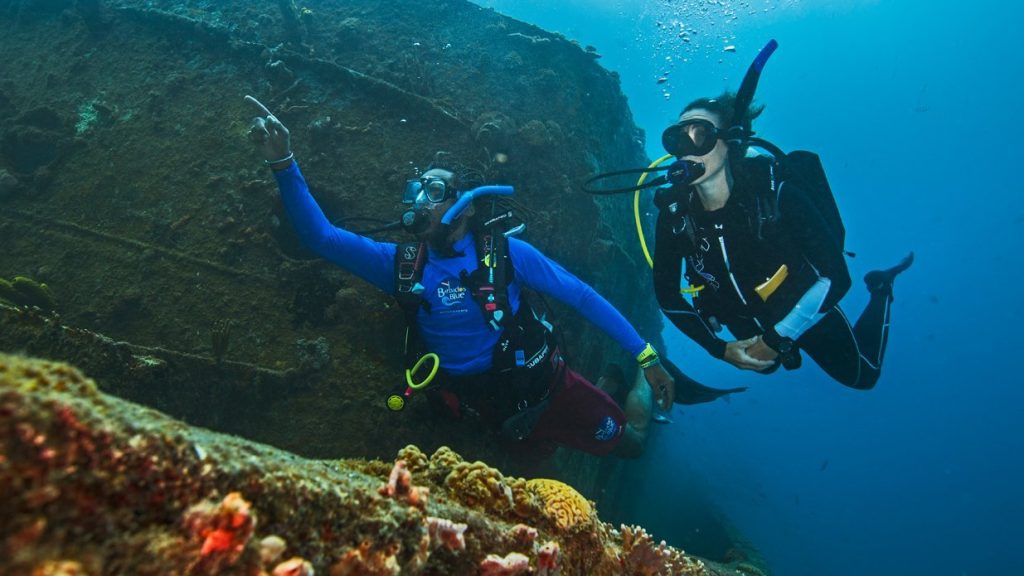
Natural Navigation: Accuracy and efficiency are increased when compass usage is combined with natural navigation abilities, such as the ability to identify currents and underwater terrain.
Exercises for the Development of Practical Skills
1. Compass Courses:
Diving instructors may assist divers in finding and keeping their bearings by building up underwater compass courses with predefined stations.
Swimming in straight lines, traversing squares, and using reciprocal bearings to go back to the starting place are some practice tasks.
2. Model Dive Schedules:
In controlled situations, divers can practice dive plans by using a compass to find specified landmarks or make their way back to the starting point.
3. The Buddy System
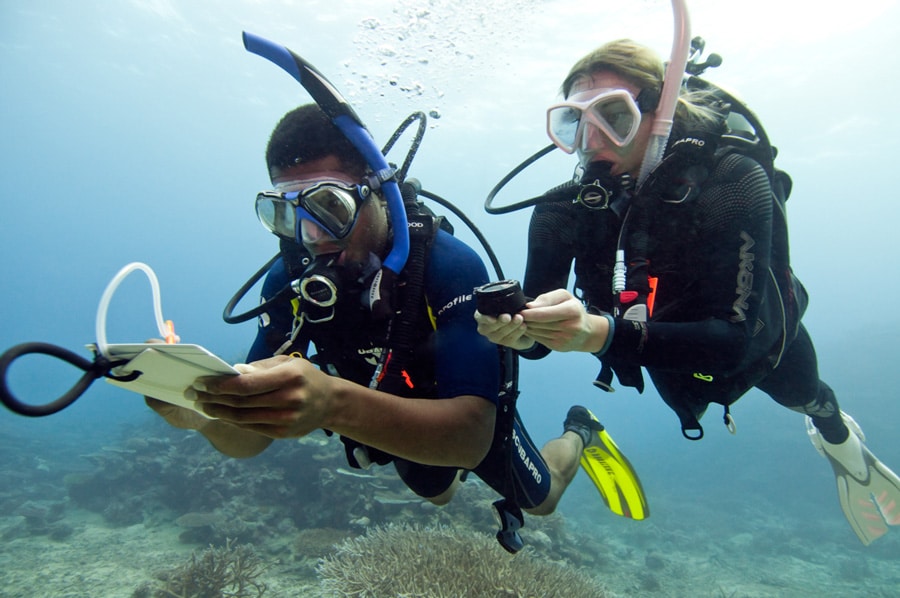
Learning is improved when a diver practices with a buddy since they may share skills and give each other feedback.
Advantages of Mastering Compass
1. Increased Safety
An unsafe surface recovery for divers is ensured by precise navigation, which lowers the chance of becoming lost. It aids in avoiding dangers and forbidden places as well.
2. Practical Scuba Diving:
Since divers may navigate straight to their sites of interest, mastery of the compass enables more effective use of oxygen and time while submerged. In order to explore big or complicated areas, divers need to be efficient.
3. Enhanced Self-Belief:
Scuba divers can experience more pleasurable and stress-free dives when they are proficient navigators. Also, exploring unfamiliar and new dive areas is much easier with confident navigation.
Being able to navigate the often confusing underwater world is one of the most important skills for divers to have: learning how to use an underwater compass. Divers can improve their ability to navigate by comprehending the components of a compass, honing basic and advanced methods, and routinely participating in practical exercises. This skill has several advantages that make diving safer, more effective, and more pleasurable. Taking the time to learn how to use an underwater compass is a step toward becoming a skilled and self-assured underwater navigator, regardless of diving experience level. Happy and safe diving!